13975 Connecticut Ave., #208 Silver Spring, MD 20906

Is Dental Bonding the Right Choice for a Chipped Tooth? Pros and Cons Explained


Chipping a tooth can be frustrating, but several effective solutions are available to restore your smile. One such option is dental bonding, a cosmetic procedure that can efficiently repair a chipped tooth.
Is dental bonding the right choice for you? In this blog, we will thoroughly examine how this procedure works, its benefits and limitations, and why it may be the ideal solution for your chipped tooth. If you’re considering this treatment, continue reading to gain valuable insights from a trusted dentist in Silver Spring.
What is Dental Bonding?
It is a procedure in which a tooth-colored resin material is applied to a damaged or chipped tooth. The resin is shaped to match the natural contours of the tooth and then hardened using a special light. This process effectively restores both the appearance and functionality of the tooth. It’s a simple and minimally invasive solution, making it popular among patients who want a fast, effective fix for their chipped teeth.
It is typically done in a single visit, making it convenient for people who need a quick resolution without the need for multiple appointments.
How Does the Procedure Work?
The process of fixing a chipped tooth with tooth bonding is simple-
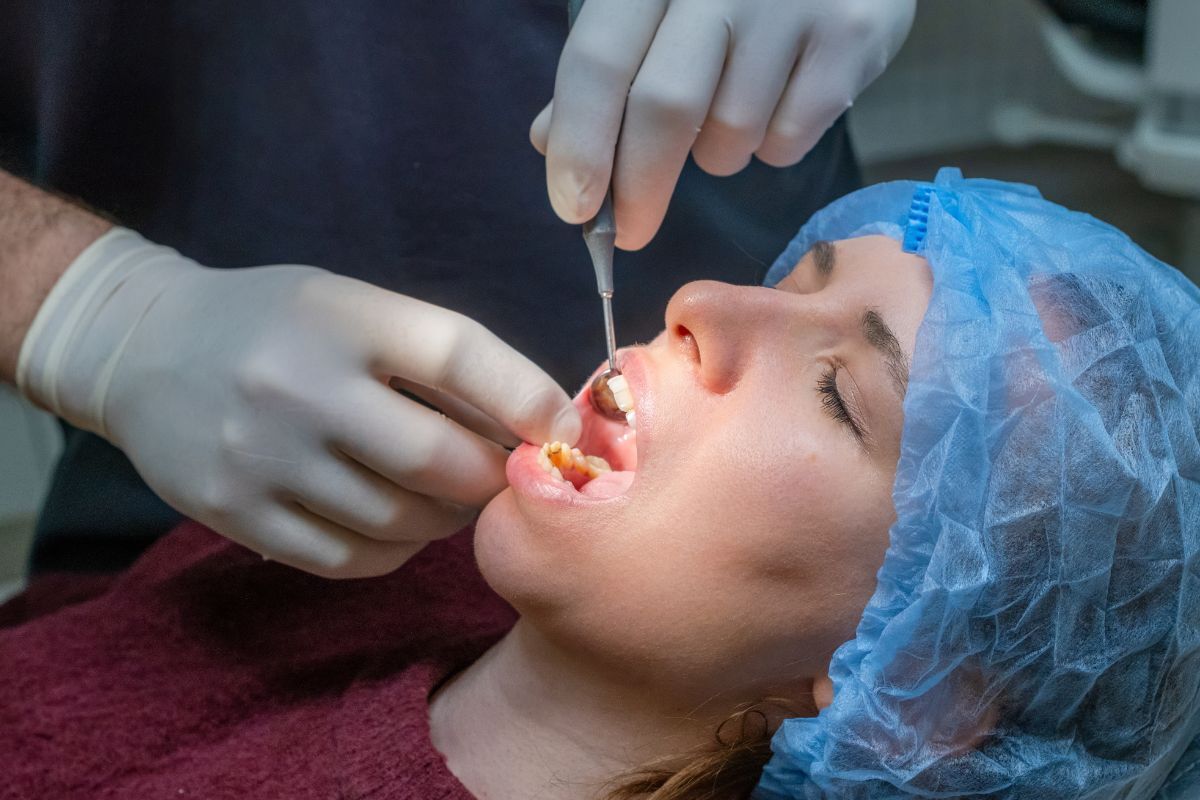
- Preparation: Your dentist will first clean the tooth to remove debris or plaque. No anesthesia is typically required unless the chip is extensive or in a sensitive area.
- Shaping: The resin is applied to the affected area of the tooth. The dentist carefully molds it to match the shape and size of the natural tooth, ensuring it blends seamlessly with the rest of your smile.
- Hardening: A special ultraviolet light hardens the resin, ensuring it stays in place and offers durability.
- Polishing: After the resin is hardened, the dental practitioner will polish the treated tooth to match the natural sheen of your teeth. This final touch ensures that the tooth looks just like the rest of your smile.
The entire procedure is typically completed within an hour, making it a quick and efficient solution for minor chips.
The Benefits of Using Bonding to Fix a Chipped Tooth
There are several reasons why many patients choose bonding to restore their chipped tooth. Let’s explore the main benefits of this procedure:
- Quick and Convenient: Unlike other cosmetic procedures, this dental process can usually be completed in a single visit, meaning you don’t have to worry about multiple appointments or waiting weeks for a permanent restoration.
- Minimal Tooth Removal: Bonding requires little removal of the natural tooth structure, making it a more conservative approach. Other procedures, like crowns or veneers, often require removing a significant portion of the tooth.
- Natural Look: The resin used in the bonding process is highly customizable. Your dental professional can match the shade of the resin to your natural tooth color, ensuring a seamless look that blends in beautifully with the rest of your teeth.
- Non-invasive: Bonding is one of the least invasive cosmetic dental procedures. Since no drilling is typically needed, most patients experience little discomfort during the treatment.
The Drawbacks of Using Bonding for a Chipped Tooth
While this dental procedure offers many benefits, there are also some considerations to keep in mind:
- Less Durable Than Other Options: Bonding may not last as long as crowns or veneers. The material can chip or stain over time, especially if you eat or drink stain-causing foods like coffee or tea. However, with proper care, bonding can last several years before requiring touch-ups.
- Not Ideal for Large Chips: It is best suited for small to moderate chips. For larger chips or extensive tooth damage, other restorative options, such as crowns or veneers, may be more appropriate.
- Maintenance Required: While bonding is a durable option, it may need to be replaced or touched up after a few years. Additionally, the bonding material can become rougher over time, which could cause discomfort or make it harder to clean the tooth effectively.
- Susceptibility to Staining: Over time, the resin material used in bonding can absorb stains from certain foods and beverages. Regular cleaning and proper oral hygiene can help prevent staining, but it’s something to consider if you consume many stain-causing foods.
Why Choose This Treatment for a Chipped Tooth?
Despite its limitations, dental bonding remains one of the most widely preferred options for repairing a chipped tooth. It is an excellent choice for patients seeking a quick and minimally invasive solution to address minor tooth damage. Dental bonding provides an effective and seamless restoration for those dealing with a small chip that blends naturally with your existing teeth. This procedure allows you to restore your smile with minimal disruption.
If you’re looking for a fast and reliable solution, dental bonding could be the ideal choice to restore your smile and boost your confidence, with the expertise of a dentist in Silver Spring.
Fix Your Chipped Tooth with Dental Bonding
If you have a chipped tooth and are considering cosmetic treatment, bonding may be the perfect solution. This quick and non-invasive procedure can restore your smile with a natural-looking result. While there are some drawbacks to consider, the benefits of bonding make it a great option for many patients, particularly those with minor tooth damage.
If you’re interested in learning more about dental bonding in Silver Spring or would like to schedule a consultation, don’t hesitate to visit our dental office at Maryland Dental Specialty Group. Our experienced team is here to help you achieve the smile you deserve, using the best and most efficient dental solutions available.
FAQs
- How long does dental bonding last?
Dental bonding typically lasts between 5 and 10 years, depending on how well you care for it. - Is dental bonding painful?
No, the procedure is usually painless. Local anesthesia is only used if the tooth needs preparation or there is significant damage. - Can bonding be used for large chips?
Bonding works best for small to moderate chips. Larger chips may require crowns or veneers for a more durable solution. - How do I care for my bonded tooth?
Brush and floss regularly, and avoid chewing on hard foods to ensure the longevity of the bonding material. - Is dental bonding a permanent solution?
While durable, bonding may need to be replaced after several years due to staining or wear. Regular visits to your dentist can help maintain your appearance.