13975 Connecticut Ave., #208 Silver Spring, MD 20906

Top 7 Tips for Looking Forward to Pregnancy Dental Care

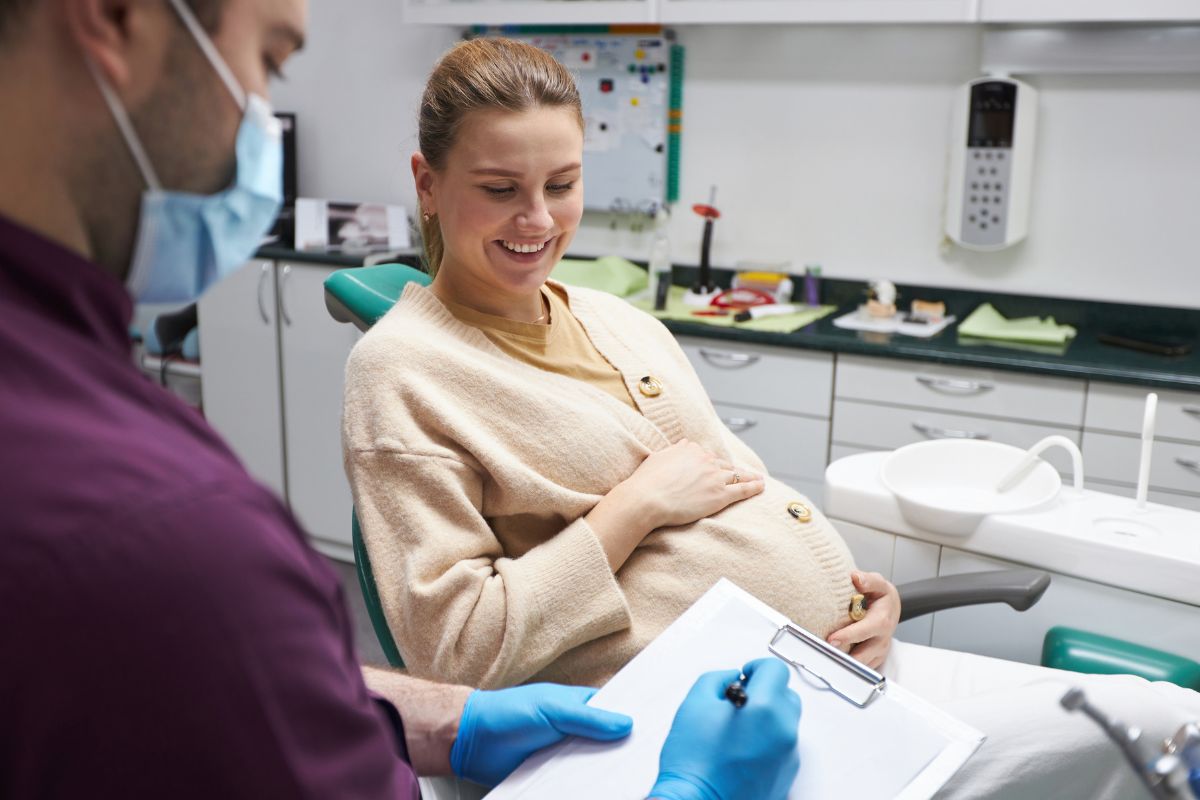
Pregnancy brings many changes to a woman’s body, and while most of the attention is often focused on the growing baby, taking care of your own health is equally important. One aspect that is sometimes overlooked is oral health. Hormonal changes during pregnancy can affect your gums, teeth, and overall dental health, so it’s essential to stay on top of your dental care.
At Maryland Dental Specialty Group in Silver Spring, we understand the importance of maintaining excellent oral hygiene during pregnancy. Below are some vital tips to help you maintain a healthy smile throughout your pregnancy journey.
Oral Health Challenges During the Expectant Phase
This phase can bring about various oral health challenges, including an increased risk of gum disease and tooth decay. Hormonal fluctuations can cause your gums to become more sensitive, inflamed, and prone to bleeding, leading to a condition known as gestational gingivitis. Furthermore, during childbearing, cravings for sugary foods, coupled with morning sickness, can make it harder to maintain your usual oral hygiene habits. This combination of factors makes it essential to prioritize your dental care during pregnancy.
If you live in Silver Spring or nearby areas such as Takoma Park, Wheaton, and Rockville, make sure to stay proactive with your dental health during pregnancy.
Importance of Regular Dental Visits
One of the most important things you can do for your oral health during pregnancy is to visit your dentist regularly. It’s a common misconception that dental work should be postponed when you are expecting, but in fact, regular check-ups can help prevent serious issues like gum disease and cavities. Seeing your dentist in Silver Spring early in your pregnancy can help identify and treat potential issues before they become more significant.
7 Important Dental Tips for Moms-to-Be
1. Practice Good Oral Hygiene
Brush your teeth at least twice a day using fluoride toothpaste and floss daily to remove plaque from between your teeth. Make sure to use a soft-bristled toothbrush, as your gums may be more sensitive during pregnancy.
2. Don’t Ignore Morning Sickness
Pregnant women often experience nausea and vomiting, which can expose their teeth to stomach acids. It’s important not to brush your teeth immediately after vomiting, as this can cause enamel erosion. Instead, rinse your mouth with water or a fluoride mouthwash to neutralize the acid and protect your teeth.
3. Stay Hydrated
Drinking plenty of water not only helps keep you hydrated but also rinses away food particles and helps prevent dry mouth, which can increase the risk of cavities. Aim for at least 8 glasses of water a day to keep your mouth and body in optimal condition.
4. Monitor Your Diet
During pregnancy, cravings for sugary or acidic foods may increase, but these foods can contribute to tooth decay. Try to limit sugary snacks and drinks, and focus on eating a balanced diet rich in fruits, vegetables, and whole grains to support both your baby’s and your oral health.
5. Use Fluoride
Fluoride is essential for strengthening your tooth enamel and preventing cavities. Be sure to use fluoride toothpaste and consider asking your dentist about fluoride treatments to further protect your teeth.
6. Manage Gum Sensitivity
It’s common to experience swollen and bleeding gums during pregnancy due to hormonal changes. If you notice this, be sure to tell your dentist, who can provide guidance on managing this condition and help prevent more severe gum disease.
7. Address Any Dental Concerns Early
Don’t wait for issues to worsen. If you experience tooth pain, sensitivity, or bleeding gums, it’s important to visit your dentist in Silver Spring as soon as possible. Early intervention can prevent complications and ensure you maintain good oral health throughout your pregnancy.
Common Dental Procedures During Pregnancy
While most dental procedures are safe during pregnancy, certain treatments are typically delayed until after the baby is born. Routine cleanings and check-ups are vital during pregnancy, and most dental work can be performed during the second trimester, when it is safest. In general, it is advisable to avoid elective treatments like teeth whitening during pregnancy. Always consult with your dentist before undergoing any procedure to ensure the safety of both you and your baby.
Managing Dental Concerns During Your Expectant Period
It’s common for some pregnant women to experience dental anxiety, especially if they are worried about the safety of dental treatments during pregnancy. The dentist will ensure that your visit is comfortable and stress-free. The professional will discuss any concerns you may have and work with you to develop a treatment plan that aligns with your needs and preferences. The dental team uses gentle techniques and ensures your safety throughout your visit.
How to Maintain Healthy Teeth After Childbirth?
After your baby is born, it’s essential to continue with your regular dental visits. Pregnancy can have lasting effects on your oral health, so your dentist may recommend additional care, such as deep cleanings or fluoride treatments, to ensure your gums and teeth remain healthy after delivery. Additionally, breastfeeding can sometimes cause tooth sensitivity, so it’s important to maintain good oral hygiene during this time.
Take Control of Your Oral Health During the Expecting Phase
Pregnancy is an exciting time, but it’s also crucial to take care of your oral health. By following the tips outlined above and visiting your dentist regularly, you can maintain a healthy smile throughout your antepartum period.
If you are an expecting mother in Silver Spring or nearby areas such as Takoma Park, Wheaton, or Rockville, visit our Silver Spring dental office for the care and advice you need during this important time. Book an appointment with us today to ensure that your oral health is on track during your pregnancy.
FAQs
1. Can pregnancy cause gum disease?
Yes, hormonal changes during pregnancy can increase the risk of gum disease, leading to swelling, bleeding, and irritation of the gums. Regular dental check-ups can help manage and prevent gum disease.
2. Is it safe to have a dental cleaning during pregnancy?
Yes, dental cleanings are completely safe during pregnancy. In fact, it’s important to maintain your regular cleaning schedule to avoid gum disease and other oral health issues.
3. Can pregnancy cause cavities?
Pregnancy itself doesn’t cause cavities, but hormonal changes and cravings for sugary foods can increase your risk. Good oral hygiene and a balanced diet can help prevent cavities during pregnancy.
4. Are X-rays safe during pregnancy?
Dental X-rays are generally safe during pregnancy, but they are usually only performed when absolutely necessary. Your dentist will take precautions, such as using a lead apron, to protect you and your baby.
5. How can I prevent tooth sensitivity during pregnancy?
Tooth sensitivity during pregnancy can be managed by using a soft-bristled toothbrush, avoiding acidic foods, and using toothpaste designed for sensitive teeth.
6. Can I have dental work done during pregnancy?
Most routine dental work, such as fillings and cleanings, can be safely performed during pregnancy, especially during the second trimester. Consult with your dentist to discuss your specific needs.
7. What should I do if I have a toothache during pregnancy?
If you experience a toothache during pregnancy, it’s essential to see your dentist as soon as possible. Early treatment can prevent more significant issues and provide relief.
8. Can pregnancy affect my teeth?
Yes, pregnancy can affect your teeth due to hormonal changes, which can make your gums more sensitive and prone to infection. Regular dental visits and good oral hygiene are essential to manage these effects.
9. How soon should I visit the dentist after pregnancy?
It’s important to schedule a post-pregnancy dental check-up within six months after childbirth to ensure your oral health remains optimal and address any issues that may have arisen during pregnancy.