13975 Connecticut Ave., #208 Silver Spring, MD 20906

Understanding the Healing Process After Oral Surgery

Oral surgery, whether it’s a wisdom tooth extraction or a more complex procedure like dental implants, is a common yet delicate process. After surgery, your body begins its natural healing process, which can be broken down into several distinct stages. Understanding these stages not only helps you manage your recovery more effectively but also ensures you know what to expect as your body heals.
Want to learn more about the stages of wound healing after oral surgery, the process, and the tips for a smooth recovery from a reliable oral surgeon in Silver Spring? Keep reading this blog till the end.
Stages of Healing Following an Oral Surgery
Below are the stages of healing after a dental surgery:
The Inflammatory Stage: The First Few Days
The first stage of healing begins immediately after your oral surgery. This is when your body starts to respond to the trauma caused by the surgical procedure. In the days following your surgery, your body works to stop any bleeding, prevent infection, and lay the groundwork for tissue repair. This phase is known as the inflammatory stage and typically lasts for the first 2–3 days.
During this stage, it’s normal to experience swelling and discomfort. Pain and swelling are part of your body’s natural response, as it sends fluids and white blood cells to the affected area to fight off any potential infections. You might also notice some bruising around the surgical site, especially if you’ve had teeth extracted.
What to expect:
- Swelling and bruising
- Bleeding, though this should reduce after the first 24 hours
- Pain or tenderness around the surgical area
- Some difficulty eating and speaking, depending on the extent of the surgery
The Proliferative Stage: 3 to 7 Days After Surgery
Once your body has controlled the initial inflammation, it enters the proliferative stage. This is where the healing really begins, with the body actively working to rebuild the tissue around the wound. New tissue, known as granulation tissue, forms during this phase, and blood vessels begin to grow to support the area with fresh oxygen and nutrients.
At this stage, the risk of infection is lower, but it’s still important to follow the instructions mentioned by a trusted oral surgeon in Silver Spring for post-operative care. You might still experience some mild discomfort or swelling, but the worst of it should be behind you by the end of the first week.
What to expect:
- Reduced swelling
- New tissue is forming in the surgical area
- Discomfort should decrease, though mild tenderness can persist
- Healing is evident as the wound begins to close
The Maturation Stage: 2 to 3 Weeks After Surgery
The maturation stage, or remodeling phase, is where your body continues to strengthen and finalize the healing process. This phase can last for several weeks or even months, depending on the complexity of the surgery and how well you follow post-operative instructions.
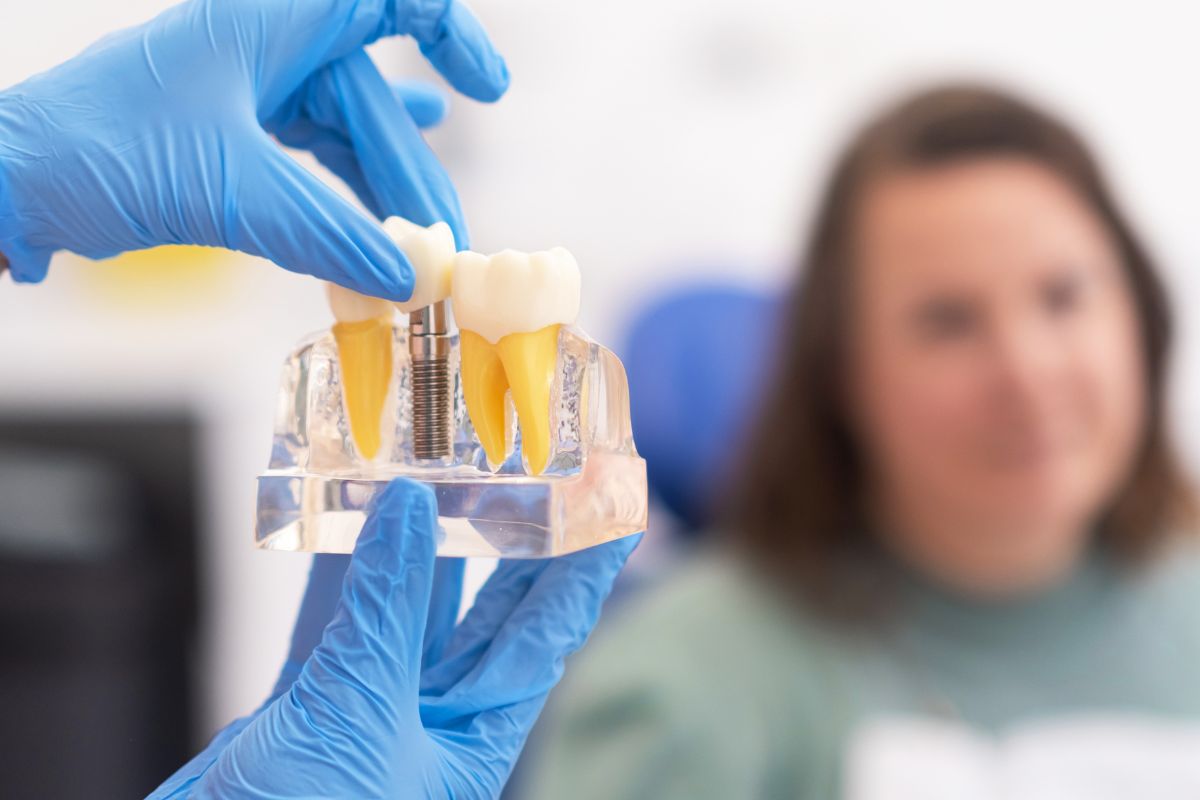
During this phase, your body works to improve the strength and structure of the new tissue. The body may also begin to lay down collagen, which adds to the integrity of the healing area. For example, in cases of dental implant surgery, the bone will begin to fuse with the implant post in a process called osseointegration.
What to expect:
- Most swelling and discomfort should have resolved
- The surgical site will continue to heal and strengthen
- Any stitches that were used will either dissolve or be removed
- Full function of the area should start returning, though complete healing may take months for more complex surgeries
The Final Healing: Months After Surgery
Even after the initial healing has taken place, the body’s healing continues. During this final phase, any remaining small changes to the tissue and bone will happen. The wound site strengthens and matures, which means that even though it appears fully healed, the tissue may still be fine-tuning itself for months.
This stage is particularly important for more complex procedures like dental implants, where bone integration and long-term strength are key factors for a successful outcome.
What to expect:
- Full recovery can take anywhere from 3 months to a year, depending on the surgery
- The tissue may continue to remodel, ensuring the area is fully healed
- Any residual discomfort should be gone, though some minor sensitivity may still occur
Tips for a Smooth Recovery
While your body does most of the hard work during the healing process, there are several things you can do to ensure a faster, smoother recovery:
- Follow aftercare instructions: This includes any prescribed medications, oral hygiene guidelines, and dietary restrictions.
- Manage pain and swelling: Take prescribed pain medications as needed, and use ice packs during the first few days to reduce swelling. Avoid hot foods and drinks, as they can increase swelling.
- Eat soft foods: During the initial recovery stages, stick to soft foods like soups, mashed potatoes, and yogurt to avoid irritating the surgical site.
- Maintain oral hygiene: Keeping your mouth clean is essential to preventing infection. However, be gentle when brushing around the surgical site.
- Avoid smoking: Smoking can impede the healing process and increase the risk of infection, so it’s best to avoid it during your recovery.
- Stay hydrated: Drink plenty of water to promote healing and reduce the chances of dry mouth, which can lead to complications.
- Give it time: Healing takes time, so be patient with your body’s process. The best way to promote proper healing is by allowing your body the time it needs.
Patience and Quality Care are Crucial for Smooth Healing
Understanding the stages of wound healing after oral surgery can help you better manage your recovery. By following proper aftercare and allowing your body the time it needs to heal, you’re setting yourself up for a smooth and successful recovery.
If you’re in need of professional care, don’t hesitate to visit our dental office in Silver Spring. With proper guidance, you’ll be back to feeling like yourself in no time.
Frequently Asked Questions (FAQs)
How long does it take for the swelling to go down after oral surgery?
Swelling generally peaks within the first 48 hours after surgery and gradually decreases over the next few days. By the end of the first week, swelling should have significantly reduced.
Is it normal to feel pain after oral surgery?
Yes, mild to moderate pain is common after oral surgery. However, the pain should gradually decrease as you move through the healing stages. Be sure to follow your surgeon’s instructions for pain management.
How can I speed up the healing process after oral surgery?
To speed up the healing process, follow your oral surgeon’s aftercare instructions carefully, manage pain and swelling with ice and medication, and avoid smoking, as it can slow down healing.
Can I eat normally after oral surgery?
In the first few days, you should stick to soft foods and avoid chewing directly on the surgical site. As the healing progresses, you can slowly return to a normal diet.
What should I do if I have a fever after oral surgery?
A mild fever can occur as part of the inflammatory response. However, if your fever is high or lasts more than a couple of days, contact your oral surgeon to rule out infection.
When can I resume normal physical activity after oral surgery?
You should avoid strenuous physical activities for at least a week after surgery to avoid disrupting the healing process. Your oral surgeon will give you specific advice based on your procedure.