13975 Connecticut Ave., #208 Silver Spring, MD 20906

Dental Implant Healing Stages in Silver Spring: Complete Recovery Timeline

If you’re considering tooth replacement options in Silver Spring, understanding the recovery journey is essential before committing to treatment. Dental implants provide a long-term solution that mimics natural teeth, but healing happens in stages. Knowing what to expect can help you feel more confident and prepared as you begin your journey toward improved oral health in Silver Spring.
What Are Dental Implants?
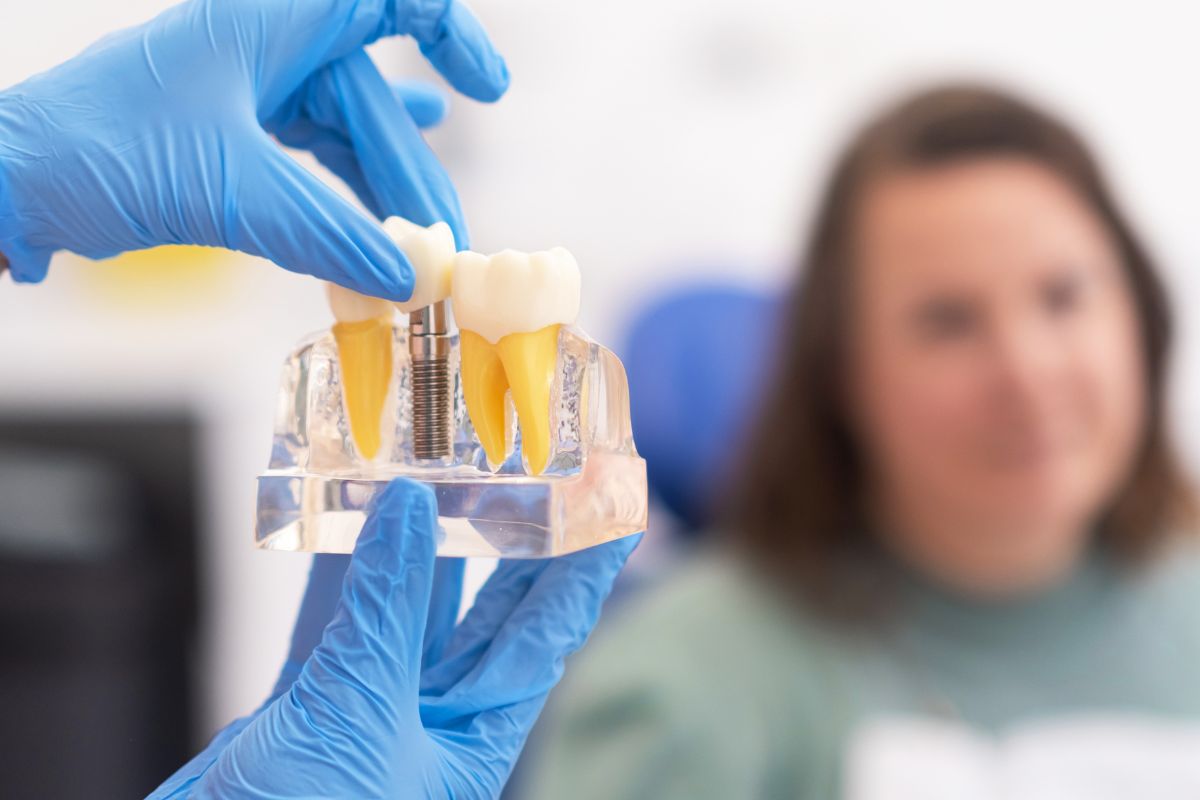
Dental implants are titanium posts placed into the jawbone to support artificial teeth such as crowns, bridges, or dentures. Unlike removable options, implants integrate with the bone, creating a stable and lasting foundation. This integration process, known as osseointegration, is the key to their durability and function.
Dental Implant Healing Timeline
Stage 1 – Initial Healing (First 1–2 Weeks)
After the implant is placed, the first stage focuses on soft tissue healing. Mild swelling, tenderness, and minor bleeding are normal during this period. Most patients return to daily activities within a few days, although following post-procedure care instructions is important. Eating soft foods and maintaining gentle oral hygiene supports faster recovery.
Stage 2 – Osseointegration (3–6 Months)
This is the most critical phase of the process. During osseointegration, the implant fuses with the jawbone, creating a stable base for the artificial tooth. The timeline varies depending on factors such as bone density and overall health. Patients in Silver Spring, undergoing dental implant placement, often find this stage surprisingly manageable, as discomfort significantly decreases after the initial weeks.
Stage 3 – Abutment Placement (2–3 Weeks Healing)
Once the implant has successfully fused with the bone, an abutment is attached. This small connector holds the final restoration in place. The gums need time to heal around the abutment, shaping naturally to support the final crown.
Stage 4 – Final Restoration (Placement of Crown)
The final step involves placing the custom-made crown, bridge, or denture. This restoration is designed to match your natural teeth in appearance and function. At this stage, your smile is fully restored, and normal chewing and speaking abilities return.
Factors That Affect Healing Time
Healing from dental implants can vary from person to person. Factors such as age, oral hygiene habits, lifestyle choices, and underlying health conditions all play a role. Smoking, for example, may slow down healing and affect implant success. Following your dentist’s recommendations closely can help ensure a smoother recovery.
Tips for a Smooth Recovery
Maintaining proper oral hygiene is essential throughout the healing process. Gentle brushing, rinsing as advised, and attending follow-up appointments allow your dentist to monitor progress. Eating nutrient-rich foods and staying hydrated also support tissue repair. If you experience unusual pain or prolonged swelling, it’s important to contact your provider promptly.
When to Visit Your Dentist
Routine check-ups are a key part of implant success. If you’re considering treatment or are currently in the healing phase, visit our dental office in Silver Spring for guidance and personalized care. Regular monitoring ensures that each stage progresses as expected.
Start Your Dental Implant Journey
Dental implants offer a reliable solution for missing teeth, but patience during healing is essential. Understanding each phase helps set realistic expectations and reduces anxiety about the process. If you’re ready to take the next step toward restoring your smile, contact us today to schedule a consultation and learn more about your options.
FAQs
1. How long does the entire dental implant process take?
The full process typically takes several months, often between 4 to 8 months, depending on healing and individual conditions.
2. Is pain normal after dental implant surgery?
Mild discomfort, swelling, and tenderness are normal in the first few days and usually subside quickly with proper care.
3. What is osseointegration?
It is the process where the implant fuses with the jawbone, creating a stable foundation for the artificial tooth.
4. Can I eat normally after getting dental implants?
Soft foods are recommended initially, but you can gradually return to a normal diet as healing progresses.
5. What can delay healing after dental implants?
Smoking, poor oral hygiene, and certain health conditions can slow down the healing process.
6. How do I care for my dental implants during healing?
Follow your dentist’s instructions, maintain oral hygiene, and attend all scheduled follow-up visits.
7. Are dental implants permanent?
With proper care and maintenance, dental implants can last for many years and function like natural teeth.