13975 Connecticut Ave., #208 Silver Spring, MD 20906

8 Ways Your Sleep and Oral Health Are Connected


Many people deal with sleep issues, and it’s not uncommon to feel uncertain about how to tackle them. It can indeed be frustrating and create difficulties for your mental health since sleep-related issues make you irritated. However, do you know that it can also affect both your overall and oral health? There are various ways in which you sleep, and oral health is connected to them. Learn how the way you sleep eventually plays a crucial role in your oral well-being from a dentist in Silver Spring.
1. Gum Inflammation Increases with Poor Sleep
Inflammation levels rise when your body does not receive the necessary amount of sleep. The tissues that support your teeth are impacted by gum disease, which is frequently associated with chronic inflammation. You are more susceptible to tooth loss, receding gums, and oral bleeding if you have irregular sleep patterns.
2. Teeth Grinding Causes Wear and Tear
Stress or inadequate sleep are the leading causes of bruxism, which is the nighttime grinding or clenching of teeth. This behavior erodes the enamel, resulting in tooth chipping, sensitivity, and jaw pain. Additionally, it may put a strain on your bite and raise the possibility of denture fractures.
3. Saliva Reduction Contributes to Dry Mouth
Getting enough sleep at night helps control salivation. Your mouth’s natural defense against acids and bacteria that might erode enamel is saliva. Dry mouth, resulting from decreased salivary flow, can lead to increased plaque, dental damage, and persistent bad breath.
4. Sleep Apnea and Interrupted Breathing
A frequent condition that affects breathing at night is obstructive sleep apnea. Oxygen depletion, exhaustion, and repeated awakenings are possible outcomes. Many people are unaware of the oral repercussions of this illness. Individuals who are experiencing airway blockage often breathe through their mouths.
5. Jaw Pain and TMJ Disorders
Your sleep cycle may be disrupted by temporomandibular joint (TMJ) disorders, which are issues with the jaw joint. People who experience this issue may experience tension, muscle soreness, or a clicking jaw that worsens when they lie down. TMJ can lead to several problems with dental health and make it difficult to fall or remain asleep.
6. Mouth Breathing Can Damage Your Teeth
It’s a subtle but harmful tendency to breathe through your lips as you sleep rather than your nose. It dries down saliva, exposes teeth to more air, and makes the environment more conducive to the growth of dangerous bacteria. Cavities and enamel degradation may result from this.
7. Slower Healing After Dental Procedures
Your body doesn’t recuperate as well when you don’t get enough sleep. For adequate tissue recovery following dental procedures such as extractions, gum therapy, or cleanings, a restful night’s sleep is essential. The body’s innate capacity to recover and fend off illnesses is strengthened by regular rest.
8. Sleep Issues Diagnosed During Dental Appointments
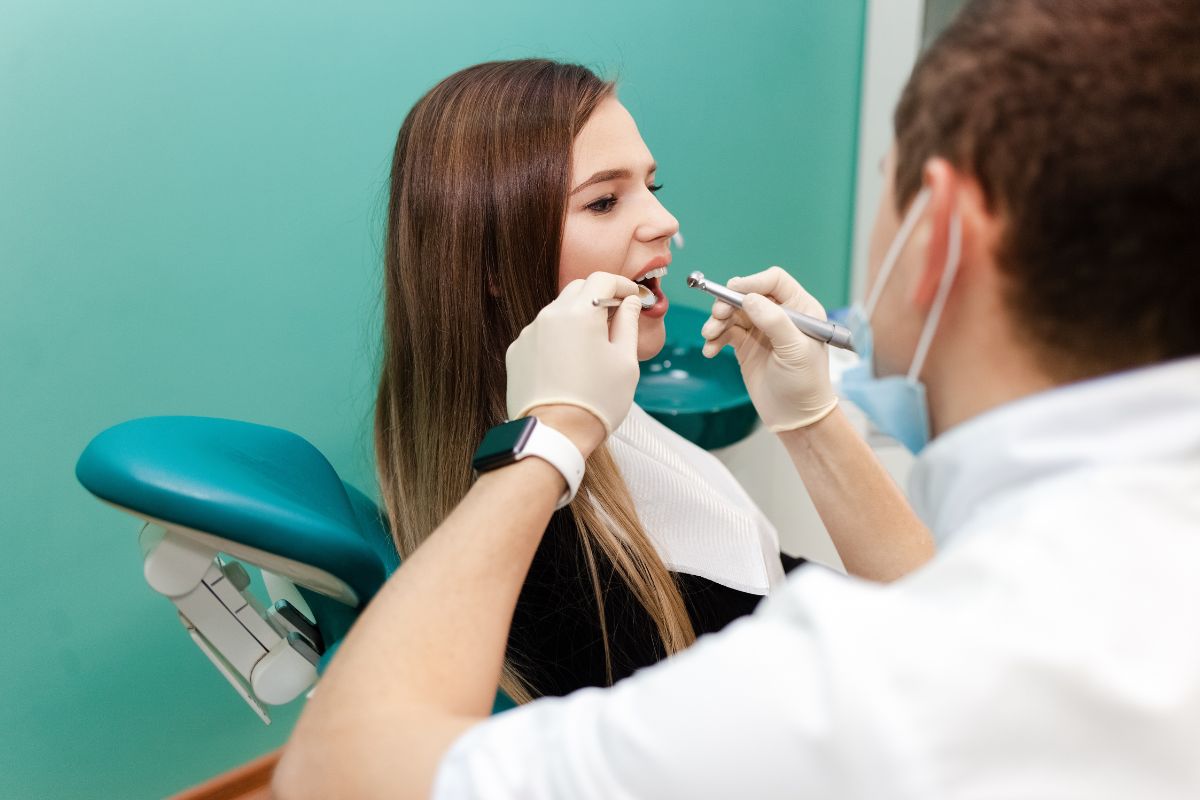
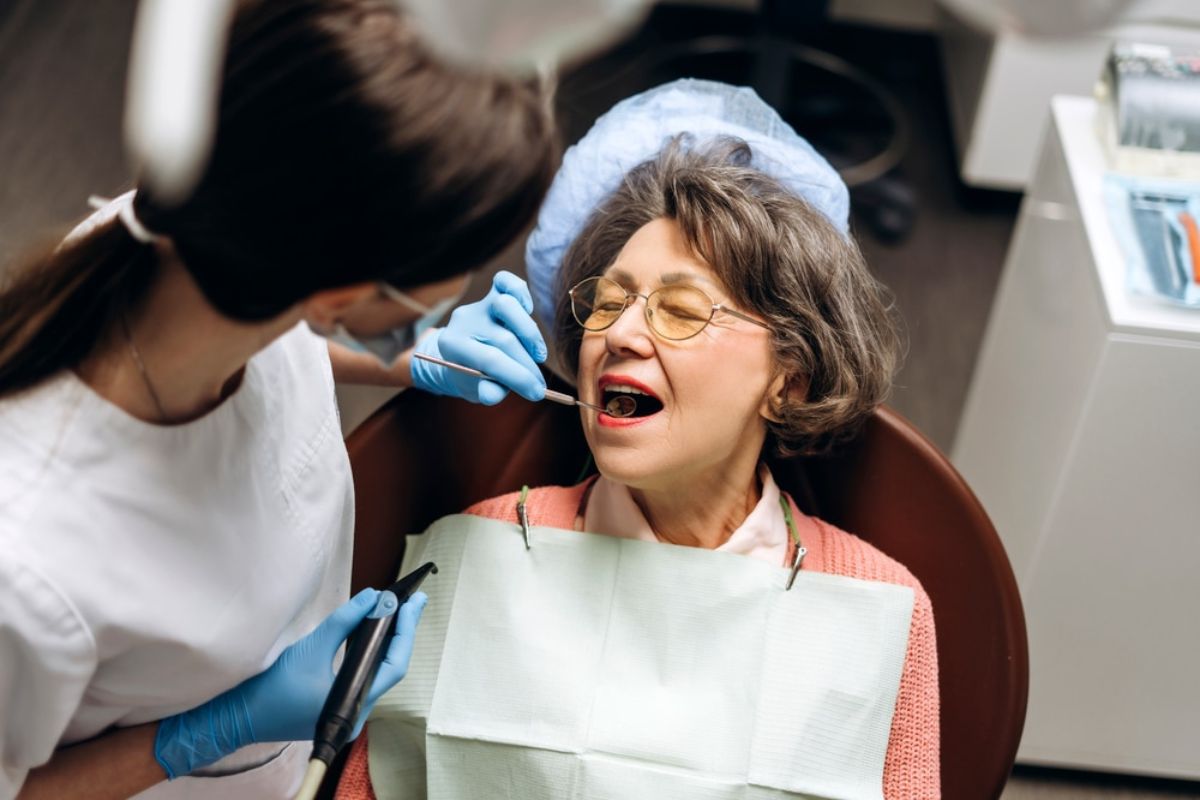
Your dentist may diagnose sleep problems using a variety of methods during normal examinations. This includes symptoms such as dry mouth, jaw tightness, and enamel loss. These small indicators may signal underlying issues that are impacting your dental health and sleep.
Book a Consultation with Us
Are sleep troubles keeping you awake at night? If that’s the case, it’s essential to recognize that ignoring the problem won’t resolve it. It’s a great idea to consult with a professional dentist to tackle oral issues caused by this. Here at Maryland Dental Specialty Group, we provide mouthguards designed to support your jaw and minimize grinding. We are committed to delivering compassionate and professional care tailored to your specific needs. Our goal is to provide personalized solutions for every patient to address any issues they may experience due to sleep disturbances. So, let’s not wait any longer and visit our dental office today to take the first step toward better health!