13975 Connecticut Ave., #208 Silver Spring, MD 20906

Recovery Tips After Oral Surgery: Dos And Don’ts

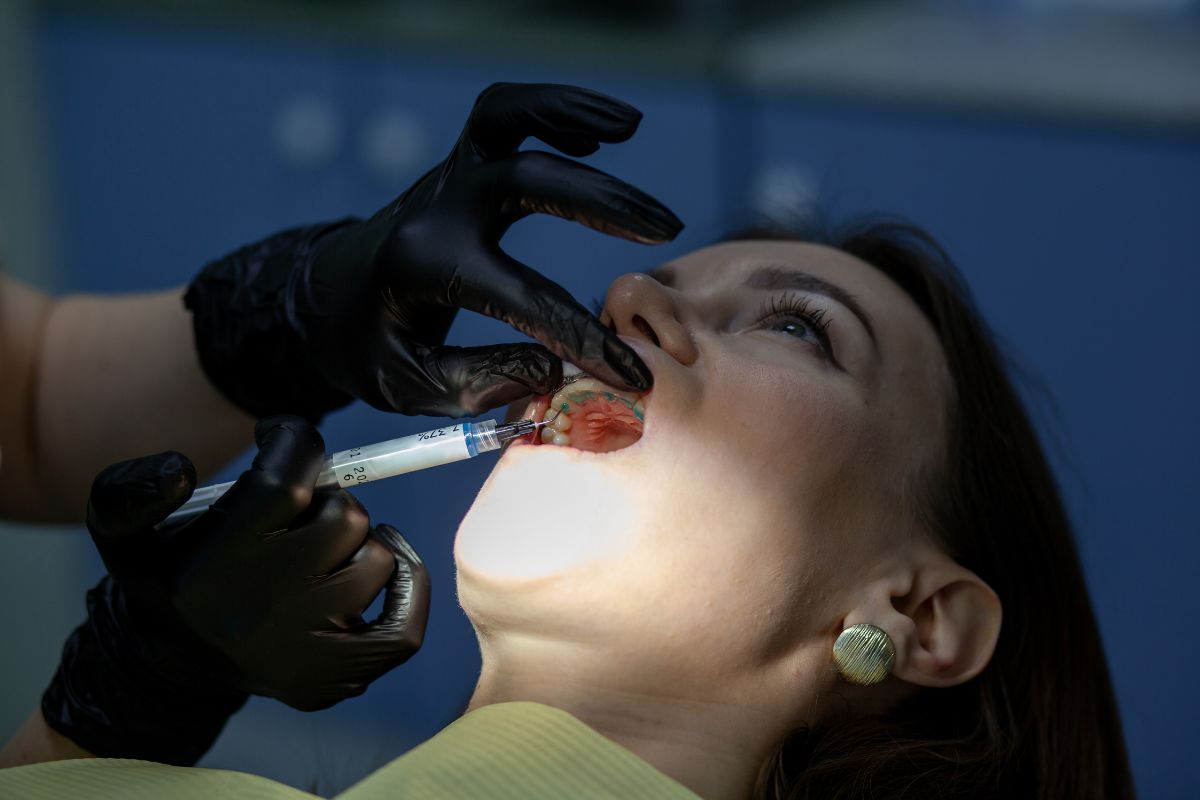
Undergoing oral surgery is a significant step in your dental journey, and how you manage your recovery can significantly influence the outcome. Whether you are recovering from a tooth extraction, implant, or other oral procedures, following these essential dos and don’ts will help ensure a smoother healing process and reduce the risk of complications.
Why Proper Recovery Matters?
Your body’s healing process begins immediately after the procedure is completed. Proper aftercare can help reduce swelling, pain, and the risk of infection, while also promoting a faster recovery. As you recover, it’s essential to understand what helps and what can hinder healing so that you can make informed choices for a smooth process.
Dos for a Smooth Recovery
A smooth recovery after oral surgery is crucial for minimizing discomfort, preventing complications, and promoting faster healing. Following these essential dos will help ensure the best possible outcome:
- Prioritize Rest
In the first 24 to 48 hours post-surgery, focus on rest. Your body needs time to heal, and staying rested will help you avoid unnecessary stress.
- Apply Cold Compresses
Swelling is common after surgery. Apply a cold compress to the affected area for 15-20 minutes at a time during the first 24 hours to reduce swelling. Afterward, you can switch to a warm compress to enhance blood flow and healing. - Stick To Soft Foods
In the first few days, consume soft foods such as mashed potatoes, yogurt, and smoothies. Avoid hard, crunchy, or spicy foods that could irritate the surgical site. - Take Medication As Prescribed
Follow your oral surgeon’s instructions for painkillers and antibiotics. These will help manage pain and prevent infection. Stick to the prescribed schedule for optimal effectiveness. - Elevate Your Head When Sleeping
Sleeping with your head elevated helps reduce swelling and encourages proper blood circulation. Use extra pillows to keep your head slightly raised during sleep. - Keep The Surgical Area Clean
After the first 24 hours, gently rinse your mouth with warm saltwater several times a day to prevent infection. Be sure to avoid vigorous rinsing as this could disrupt the healing area.
Don’ts: What to Avoid for a Speedy Recovery
Avoiding specific actions after oral surgery is critical to prevent complications and promote proper healing. By avoiding these common mistakes, you can help ensure a quicker and smoother restoration process.
- Avoid Smoking And Tobacco
Tobacco can impair healing and increase the risk of infection. It is crucial to refrain from smoking for at least a week following your procedure to ensure your body heals properly. - Don’t Use Straws
Avoid drinking through straws for at least the first few days. Suction from straws can dislodge the blood clot at the surgical site, potentially leading to complications such as dry socket. - Skip Alcohol And Alcohol-Based Mouthwash
Alcohol can irritate the surgical site and delay healing. Likewise, alcohol-based mouthwashes can cause discomfort and disrupt the healing process, so stick to mild saltwater rinses for the first few days. - Stay Away From Hard Or Crunchy Foods
Hard, crunchy, or sticky foods can irritate the wound, prolong healing, and even cause damage to the surgical site. Stick to soft, easy-to-eat foods until your oral surgeon gives you the all-clear. - Avoid Strenuous Activities
For the first 48 hours, avoid heavy lifting and intense physical exercise. Activities that increase blood pressure or cause excessive movement can lead to swelling or bleeding. - Don’t Skip Your Follow-Up Appointment
After your surgery, attending your follow-up appointment is critical. This visit ensures that your recovery is progressing well and allows your oral surgeon to address any concerns you may have.
When To Contact An Oral Surgeon In Silver Spring, MD?
If you experience severe pain, unusual swelling, fever, or any signs of infection, it is essential to contact an oral surgeon in Silver Spring, MD, immediately. Early intervention can prevent more severe complications and ensure your recovery goes as smoothly as possible.
Top Recovery Tips For Faster Healing
A successful restoration following oral surgery is crucial for ensuring optimal healing and minimizing discomfort. By following these essential tips, you can speed up your improvement and reduce the risk of complications.
- Stay Hydrated: Drinking plenty of fluids helps your body recover and heal more quickly. Be sure to avoid using straws, as they can interfere with clot formation.
- Keep A Close Eye On The Surgical Area: Watch for any unusual signs, like continuous bleeding or an unpleasant odor, which could indicate infection.
- Gradually Return To Normal Activities: Once you feel comfortable, ease back into your regular routine—starting with light activities and gradually increasing intensity as your body allows.
Your improvement following oral surgery is just as important as the procedure itself. By following the proper aftercare guidelines, you ensure your body heals properly and efficiently. Rest, patience, and appropriate care will help you return to your routine without unnecessary setbacks.
For personalised care and expert guidance throughout your recovery process, be sure to visit our dental office. At Maryland Dental Specialty Group, we are dedicated to ensuring your healing process is as smooth and comfortable as possible. Contact us today to schedule your consultation and learn more about how we can support your recovery journey.
Frequently Asked Questions (FAQs)
Q1: How soon after surgery can I resume normal chewing?
You should remain on a soft diet until your provider confirms adequate tissue closure — typically no sooner than day 3 or 4. Pushing too early can delay healing or destabilize the surgical site.
Q2: Why is light bleeding during the first 24 hours expected?
The minor oozing reflects normal clot formation and tissue repair under the surface; persistent or bright‑red flow beyond day 2 may signal clot disruption or infection.
Q3: Can I brush near the surgery site the evening after the procedure?
Yes — gently cleanse adjacent teeth while avoiding direct contact with the wound until the surface stabilizes. Use a soft‑bristle brush and rinse with warm salt water as directed.
Q4: Is swelling peaking typically on day 3 post‑procedure?
Yes — swelling often magnifies during the second to third day and then gradually declines if after‑care is followed and no complication arises.
Q5: What does a foul taste or smell from the socket indicate?
That may suggest debris accumulation or early infection forming at the site; contacting your provider promptly can prevent escalation.