13975 Connecticut Ave., #208 Silver Spring, MD 20906

Simple vs. Surgical Tooth Extraction: Recovery, Pain, and Procedure Differences


Are You Wondering Whether You Need a Simple or Surgical Tooth Extraction?
Has your dentist recommended removing a tooth, but you are unsure what type of extraction you need? Many patients hear the term “tooth removal” and assume every procedure is the same. In reality, there are two primary types of tooth removal: simple and surgical extraction. The right option depends on the condition of your tooth, its position, and your overall oral health.
For patients searching for tooth extractions in Silver Spring, understanding these differences can help reduce anxiety and make treatment decisions easier. Whether you are dealing with a damaged tooth, an impacted wisdom tooth, or a severe dental infection, learning what to expect can help you feel more prepared.
At Maryland Dental Specialty Group, we believe patients should fully understand their treatment options before moving forward. The more informed you are, the more confident you can feel about your care.
What Is the Difference Between a Simple and Surgical Tooth Removal?
Both procedures involve removing a tooth that cannot be preserved. However, the method used to remove the tooth is very different.
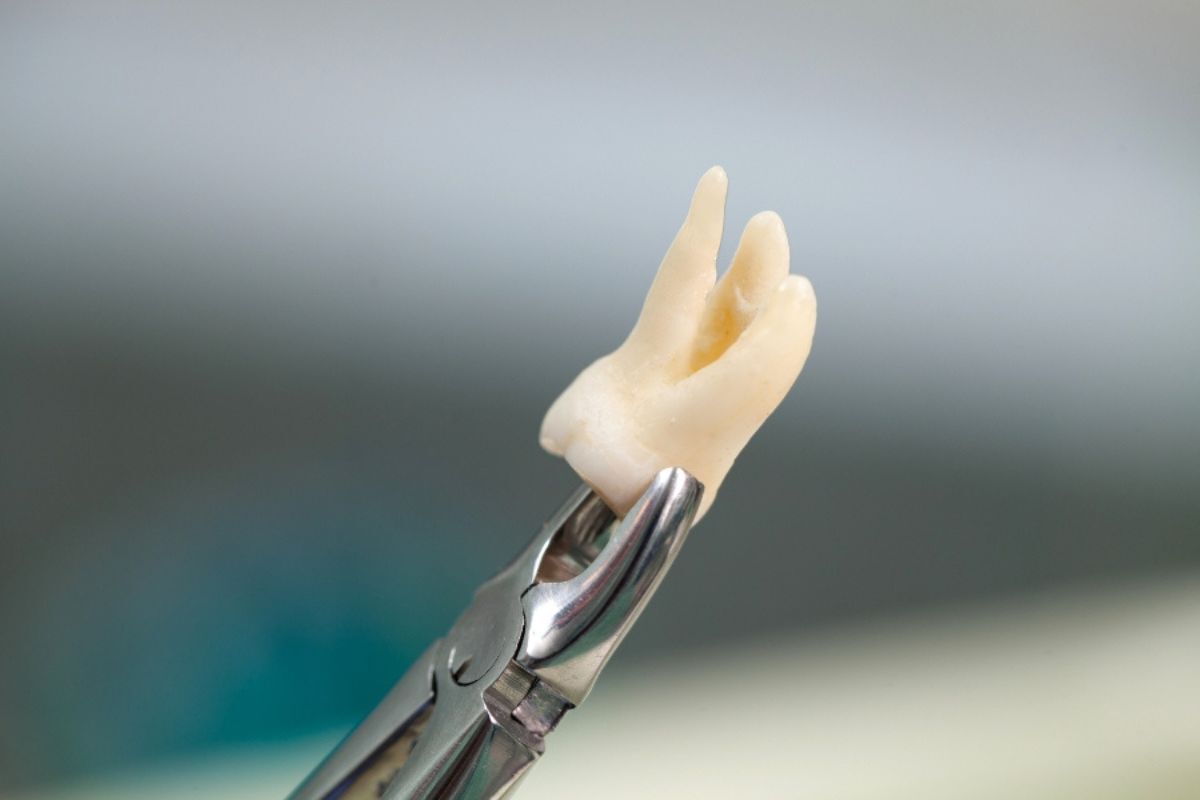
A simple dental removal is performed when the tooth is fully visible above the gum line and can be removed without additional surgical steps.
A surgical procedure is needed when the tooth is trapped beneath the gums, broken below the gum line, or difficult to access.
The goal of both procedures is the same: to protect your oral health while preventing future complications. The difference lies in the complexity of the removal process.
When Is a Simple Tooth Extraction Recommended?
It is often recommended when the tooth is accessible and can be removed using standard dental instruments.
Common reasons include:
- Severe tooth decay
- Advanced gum disease
- Loose teeth
- Cracked or damaged teeth
- Preparation for orthodontic treatment
During the procedure:
- Local anesthesia numbs the area.
- The tooth is gently loosened.
- The tooth is removed from the socket.
- Gauze is placed to control bleeding.
Most patients are surprised by how straightforward the process is. The procedure is usually completed in a single visit and often involves minimal recovery time.
When Does a Tooth Require Surgical Removal?
A surgical tooth removal is necessary when a tooth cannot be removed with a traditional process.
Examples include:
- Impacted wisdom teeth
- Teeth broken below the gum line
- Teeth with curved or complex roots
- Teeth trapped beneath bone or gum tissue
- Teeth damaged by trauma
The procedure may involve:
- Creating a small incision in the gums
- Removing a small amount of bone
- Dividing the tooth into sections
- Carefully removing each section
Although surgical extractions are more involved, modern imaging technology and advanced treatment techniques help make the process predictable and comfortable.
Simple vs. Surgical Tooth Extraction Side-by-Side Comparison
| Factor | Simple Extraction | Surgical Extraction |
| Tooth Visibility | Fully visible | Partially or completely hidden |
| Procedure Complexity | Less complex | More advanced procedure |
| Incision Required | No | Often yes |
| Bone Removal | No | Sometimes |
| Recovery Time | Generally shorter | May take longer |
| Common Cases | Decay, loose teeth | Impacted or broken teeth |
Understanding these differences helps patients know why one procedure may be recommended over another.
Which Type of Tooth Extraction Hurts More?
This is one of the most common questions patients ask.
The truth is that neither procedure should be painful during treatment because local anesthesia is used to numb the area. Depending on your needs, additional sedation options may also be discussed.
The biggest difference comes after the procedure.
After a Simple Extraction
Patients often experience:
- Mild discomfort
- Slight swelling
- Minor bleeding
Most people return to normal routines quickly.
After a Surgical Extraction
Patients may experience:
- Increased swelling
- Jaw soreness
- More tenderness around the surgery site
However, discomfort is typically manageable when post-operative instructions are followed carefully.
How Long Does Recovery Take After Each Procedure?
Recovery depends on the complexity of the procedure and your body’s healing process.
Recovery After a Simple Extraction
Most patients notice significant improvement within a few days.
Typical recovery includes:
- Initial healing within 24 to 72 hours
- Reduced soreness after several days
- Continued gum healing over the following weeks
Recovery After a Surgical Extraction
Healing generally takes longer because more tissues are involved.
Patients may experience:
- Swelling for several days
- One to two weeks of initial healing
- Ongoing bone and tissue healing beneath the surface
Following instructions regarding diet, oral hygiene, and activity restrictions can support a smoother recovery.
What Factors Determine Whether You Need a Simple or Surgical Extraction?
Your dental provider evaluates several important factors before recommending treatment.
These include:
- Tooth position
- Root anatomy
- Bone support
- Degree of damage
- Presence of infection
- Impacted teeth
- Results from dental X-rays
Every patient is different. A thorough examination allows the provider to determine the safest and most effective way to remove the tooth.
At Maryland Dental Specialty Group, treatment recommendations are based on detailed evaluations and diagnostic imaging to ensure the procedure aligns with your individual needs.
Recovery Tips That Can Help You Heal Faster
Whether you undergo a simple or surgical removal, proper aftercare plays a major role in recovery.
Helpful tips include:
- Rest during the first 24 hours
- Keep pressure on the gauze as instructed
- Avoid smoking or vaping
- Stay hydrated
- Eat soft foods
- Avoid using straws
- Follow medication instructions carefully
- Maintain gentle oral hygiene
Many residents throughout Silver Spring balance busy work schedules, family commitments, and active lifestyles. Allowing your body adequate time to heal can help prevent complications and support a more comfortable recovery.
Why Prompt Tooth Removal Can Protect Your Oral Health
Delaying a necessary extraction can sometimes create bigger problems.
A damaged or infected tooth may lead to:
- Increased pain
- Gum infections
- Bone loss
- Damage to neighboring teeth
- Difficulty chewing
- Worsening oral health conditions
Seeking care early often helps prevent the need for more extensive treatment later.
If you have persistent tooth pain, swelling, or signs of infection, now may be the right time to book an appointment for an evaluation.
How Can You Tell Which Extraction Is Right for Your Situation?
The answer depends on factors that can only be assessed through a professional examination.
Some patients need a simple dental removal that can be completed quickly. Others require surgical treatment because the tooth is impacted, fractured, or difficult to access.
If you have been researching tooth extractions in Silver Spring, a consultation can provide the answers you need and help you understand which treatment option is most appropriate for your situation.
Ready to Find Out Which Extraction Procedure You Need?
Living with tooth pain can affect your ability to eat, sleep, work, and enjoy everyday activities. Whether you need a simple extraction or a surgical procedure, receiving timely care can help protect your oral health and prevent future complications.
At Maryland Dental Specialty Group, our team is committed to helping patients understand their treatment options and feel comfortable throughout the process. If you have concerns about a damaged, infected, or impacted tooth, visit our dental office in Silver Spring for a comprehensive evaluation and personalized treatment plan.
Contact our team today to schedule your consultation and take the next step toward a healthier smile.
Frequently Asked Questions
How do I know if I need a simple or surgical tooth extraction?
A clinical examination and dental X-rays help determine the position and condition of the tooth. Once the evaluation is complete, the appropriate extraction method can be recommended.
Can I drive myself home after a tooth extraction?
Many patients can drive after a routine removal performed with local anesthesia. If sedation is used, arrangements for transportation may be necessary.
What foods should I eat after an extraction?
Soft foods such as yogurt, applesauce, soup, mashed potatoes, and smoothies are often recommended during the first few days to avoid irritating the extraction site.
Is swelling normal after a surgical extraction?
Yes. Mild to moderate swelling is common after surgical tooth removal. Applying a cold compress and following aftercare instructions can help reduce discomfort during healing.
When should I seek treatment for a painful tooth?
Persistent pain, swelling, sensitivity, or signs of infection should be evaluated as soon as possible. Early treatment may help prevent additional complications and determine whether removal is necessary.