13975 Connecticut Ave., #208 Silver Spring, MD 20906

Smile-Friendly Lunchbox Snacks That Help Protect Teeth

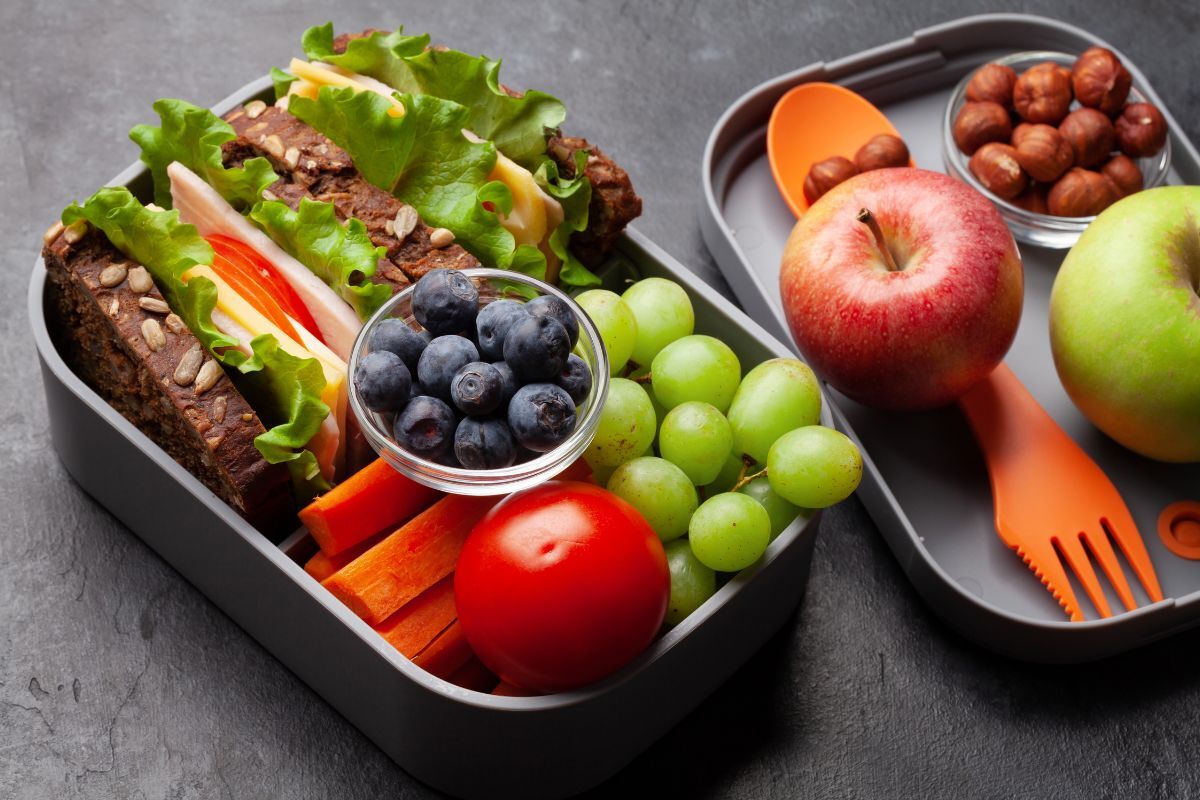
Healthy snacks for teeth can make lunchboxes more supportive of good oral health. Many common lunchbox foods contain added sugars and refined carbohydrates that can contribute to repeated acid exposure. Choosing nutritious alternatives can help support stronger teeth while providing lasting energy throughout the day.
Parents packing school lunches, college students preparing meals between classes, and office professionals bringing lunch to work can all benefit from making smarter food choices. Along with brushing, flossing, and routine dental visits, the foods you choose can play an important role in protecting your oral health.
At Maryland Dental Specialty Group, we encourage patients to view nutrition as part of a complete oral care routine. Visiting a dentist in Silver Spring for regular exams can help identify concerns early, while healthier eating habits can support your teeth between visits. This guide explains what makes a snack more tooth-friendly and highlights 11 simple options that can fit into almost any lunchbox.
Why Do Lunchbox Snacks Matter for Your Oral Health?
The foods you snack on throughout the day can affect your teeth more often than you may realize.
Each time you eat, bacteria naturally present in your mouth break down sugars and carbohydrates, producing acids that can weaken tooth enamel. Frequent snacking on sugary or sticky foods can expose your teeth to these acids repeatedly throughout the day.
Replacing heavily processed snacks with healthy snacks for teeth can help reduce this cycle. Foods that provide calcium, phosphorus, fiber, and water can support enamel and encourage saliva production. Saliva is one of your mouth’s natural defenses because it helps neutralize acids and wash away food particles.
Small changes can make a difference. Swapping sugary cookies for cheese cubes or replacing candy with crunchy vegetables gives your lunchbox a more tooth-friendly balance.
What Makes a Snack Tooth-Friendly?
Tooth-friendly snacks are generally low in added sugar and provide nutrients that support healthy teeth and gums.
When choosing lunchbox foods, look for snacks that offer one or more of these benefits:
- Calcium and phosphorus to support enamel
- Fiber to encourage chewing and saliva flow
- High water content to help rinse away food debris
- Less sticky sugar that can remain on tooth surfaces
- Vitamins and minerals that support healthy gums
These foods can work alongside regular brushing and flossing as part of a balanced approach to oral health.
11 Smile-Friendly Lunchbox Snacks That Help Protect Teeth
1. Cheese Cubes
Cheese is an easy, portable option for almost any lunchbox.
It provides calcium and phosphorus, along with protein, and chewing it can stimulate saliva flow. Pair cheese cubes with whole-grain crackers or fresh vegetables for a balanced snack without relying on sugary treats.
2. Fresh Apple Slices
Apples provide natural sweetness along with water and fiber. Their crisp texture encourages chewing and can help remove some food particles from the surfaces of the teeth.
Packing apple slices instead of highly processed fruit snacks is a simple lunchbox choice for both children and adults.
3. Plain Greek Yogurt
Unsweetened Greek yogurt provides calcium and protein and can be a convenient addition to a school or work lunch.
To keep added sugar lower, choose plain yogurt and add fresh berries instead of heavily sweetened varieties. This makes it an easy option when you want a nutritious snack without unnecessary sugar.
4. Baby Carrots and Cucumber Slices
Crunchy vegetables can add both nutrition and variety to a lunchbox.
Their firm texture encourages chewing and can increase saliva production. Carrots also provide vitamin A, an important nutrient for maintaining healthy oral tissues.
Pair carrots with cucumber slices for a refreshing snack that is easy to prepare ahead of time.
5. Unsalted Almonds
Unsalted almonds provide protein, healthy fats, calcium, magnesium, and phosphorus without added sugar.
For older children and adults without nut allergies, they can be a satisfying option between meals. Choose an appropriate portion and be mindful of choking risks when packing nuts for younger children.
6. Hard-Boiled Eggs
Eggs provide protein and important nutrients, including phosphorus and vitamin D.
A hard-boiled egg is portable, filling, and naturally free of added sugar. Pairing it with vegetables or whole-grain crackers can create a more satisfying lunch and may help reduce the urge to reach for sugary snacks later.
7. Celery Sticks With Hummus
Celery contains plenty of water and fiber, making it a refreshing lunchbox option. Pairing it with hummus adds flavor and plant-based protein.
The crunchy texture encourages chewing and saliva flow, while the combination provides a satisfying alternative to many processed snack foods.
8. Fresh Berries
Strawberries, blueberries, raspberries, and blackberries provide fiber and vitamin C and can add natural sweetness to a lunchbox.
Fresh berries are also a simple alternative to packaged fruit snacks that may contain added sugars. A small container of mixed berries can work well for children, college students, and adults.
9. Whole-Grain Crackers With Cheese
Whole-grain crackers pair well with calcium-rich cheese for a filling snack.
When choosing crackers, look for options without unnecessary added sugars. Pairing them with cheese creates a balanced snack that can help reduce the need for sweeter processed foods between meals.
10. Cottage Cheese With Fresh Fruit
Cottage cheese provides calcium, phosphorus, and protein. Adding fresh peaches, strawberries, or blueberries creates a filling snack without relying on a highly sweetened dessert.
This combination is also easy to prepare ahead of time for school or work.
11. Plain Popcorn
Air-popped popcorn can be a lighter alternative to heavily processed snack foods when prepared without excessive butter or sugary coatings.
Because popcorn can become lodged between teeth, drinking water afterward and cleaning between the teeth regularly are important parts of good oral hygiene.
Which Drinks Help Protect Your Teeth?
What you drink matters, too.
Sugary and acidic beverages can expose tooth enamel to repeated acid challenges throughout the day. Water is an especially simple choice because it helps rinse away food particles and supports normal saliva function.
Consider packing:
- Water
- Plain milk
- Unsweetened sparkling water occasionally
- Unsweetened herbal tea for adults
Try to limit:
- Soda
- Sports drinks
- Sweetened iced tea
- Sweetened juice drinks
- Energy drinks
Choosing water more often can be one of the easiest habits to build into a healthier lunch routine.
What Lunchbox Habits Can Increase the Risk of Cavities?
Even nutritious foods cannot replace good oral hygiene. Eating habits can also influence how often your teeth are exposed to sugars and acids.
Try to avoid:
- Frequent snacking throughout the day without drinking water
- Sticky candies, fruit chews, and caramel
- Sweetened yogurt and flavored milk with added sugar
- Eating chips and crackers repeatedly between meals
- Sipping sugary drinks over several hours
- Skipping brushing before school or before bed
Giving your mouth time between meals and snacks allows saliva to help clear away food particles and neutralize acids.
When Should You Talk to a Dentist About Your Child’s Diet?
Most children and adults can enjoy a wide variety of nutritious foods. However, repeated cavities, enamel wear, tooth sensitivity, or concerns about oral health may warrant a professional evaluation.
A pediatric dentist in Silver Spring can assess your child’s teeth, identify early signs of decay, and provide guidance on habits that support better oral health. If your child has already needed dental fillings, discussing everyday eating habits with your dental team can also help you identify factors that may contribute to future cavities.
Preventive visits can include professional cleanings, evaluation of developing teeth, and personalized recommendations based on your child’s needs.
If your child frequently develops cavities despite regular brushing, diet may be one of several factors contributing to the problem. Early evaluation can help identify concerns before they require more extensive treatment.
Support Healthy Smiles With Preventive Dental Care
Packing nutritious lunches is one simple way to support lifelong oral health. Choosing foods with calcium, fiber, protein, and other nutrients can help support healthy teeth while encouraging better eating habits for children and adults.
Good nutrition works best alongside daily brushing, flossing, regular dental visits, and other preventive care. Consistency matters more than perfection, so focus on making healthier choices most of the time.
If you have questions about cavity prevention, your child’s oral health, or everyday nutrition, contact Maryland Dental Specialty Group to schedule an appointment and discuss your concerns with the dental team.
Frequently Asked Questions
Are Crunchy Fruits and Vegetables Better for Teeth Than Soft Snacks?
Crunchy fruits and vegetables encourage chewing and can increase saliva production. They also provide fiber and important nutrients that support oral health.
Can Healthy Snacks Completely Prevent Cavities?
No. Nutritious foods can support oral health, but they do not replace brushing, flossing, fluoride, and regular professional dental care.
Should Children Avoid All Sugary Snacks?
Not necessarily. The goal is to limit sugary foods, avoid frequent snacking, and encourage water afterward. Good daily oral hygiene remains important as well.
How Often Should Lunchboxes Include Tooth-Friendly Snacks?
Including nutritious options regularly can help establish healthier eating habits. A balanced diet, good oral hygiene, and routine dental visits all contribute to better long-term oral health.
When Should I Schedule a Dental Checkup if I Am Concerned About Cavities?
Schedule an evaluation if you notice tooth sensitivity, visible discoloration, frequent cavities, or other ongoing concerns. Early assessment can help identify problems and guide preventive care.