13975 Connecticut Ave., #208 Silver Spring, MD 20906

7 Common Reasons For Tooth Extractions And What To Expect

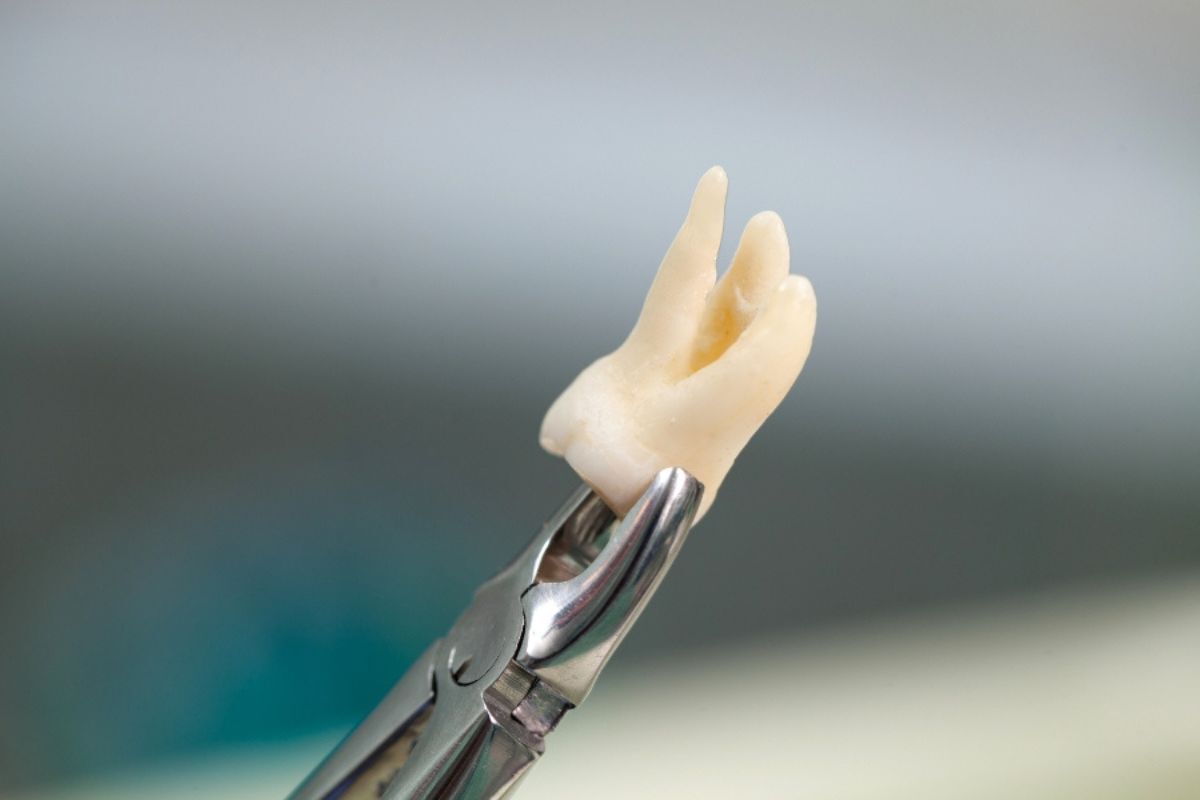
Tooth extractions are not just about pulling a bad tooth. In many cases, they help prevent more serious oral health problems. If you are searching for expert care, an oral surgeon in Silver Spring, MD can ensure the procedure is done safely, comfortably, and with long-term results in mind. From damaged teeth to crowded smiles, here are the top reasons dentists recommend permanent removal and what the process involves.
What Are The 7 Most Common Causes Of Tooth Extraction?
1. Tooth Decay That Can’t Be Saved
When tooth decay penetrates deep into the pulp, fillings or root canals may not be enough. Severely decayed teeth often require dental exodontia to stop infection from spreading to nearby teeth or the jawbone. In these cases, saving the tooth is not always possible, and removal helps restore oral health.
2. Gum Disease Leading To Loose Teeth
Periodontal disease can cause gum recession and bone loss, eventually loosening teeth. When teeth shift or no longer have enough support, a tooth may need to be removed to prevent further complications. Gum disease is also linked to health conditions like heart disease and diabetes, making timely dental care critical.
3. Impacted Wisdom Teeth Causing Pain Or Infection
Wisdom tooth removal is one of the most common oral surgeries. These third molars often do not have room to erupt properly, becoming impacted. Impacted teeth can lead to jaw pain, swelling, cysts, or infections. Removal by a specialist ensures these potential issues do not affect the rest of your mouth.
4. Crowded Mouth Before Orthodontic Treatment
Orthodontists recommend extracting teeth to create space for proper alignment. This is common in patients with small jaws or overlapping teeth. If you are planning Invisalign or braces, the specialist may suggest removal as part of your customized treatment plan.
5. Cracked Or Fractured Teeth Beyond Repair
A fractured tooth can be impossible to restore, especially if the crack extends below the gum line. In these cases, permanent tooth removal prevents pain, nerve damage, and infection. After removal, options like dental implants or bridges can replace the tooth and maintain a functional bite.
6. Persistent Tooth Infections Or Failed Root Canals
A hygienist recommends extracting the affected tooth if a root canal fails or an infection returns. This is often done when the infection is resistant to antibiotics or poses a risk to other tissues. Removing the infected tooth eliminates the source and allows for future restorative work.
7. Medical Conditions Requiring Preemptive Extractions
Some health conditions, like cancer treatments, organ transplants, or autoimmune disorders, lower your body’s ability to fight infection. Even a mildly damaged or abscessed tooth might be removed in these cases to protect your overall health. Dental clearance is often required before chemotherapy or surgery.
What to Expect Before, During, and After a Tooth Extraction
Before the surgery, an oral surgeon in Silver Spring, MD, will examine the tooth and take X-rays to determine the best approach. You will receive a local anesthetic to numb the area, and in some cases, sedation may be used to ensure comfort, especially for impacted or surgical removals.
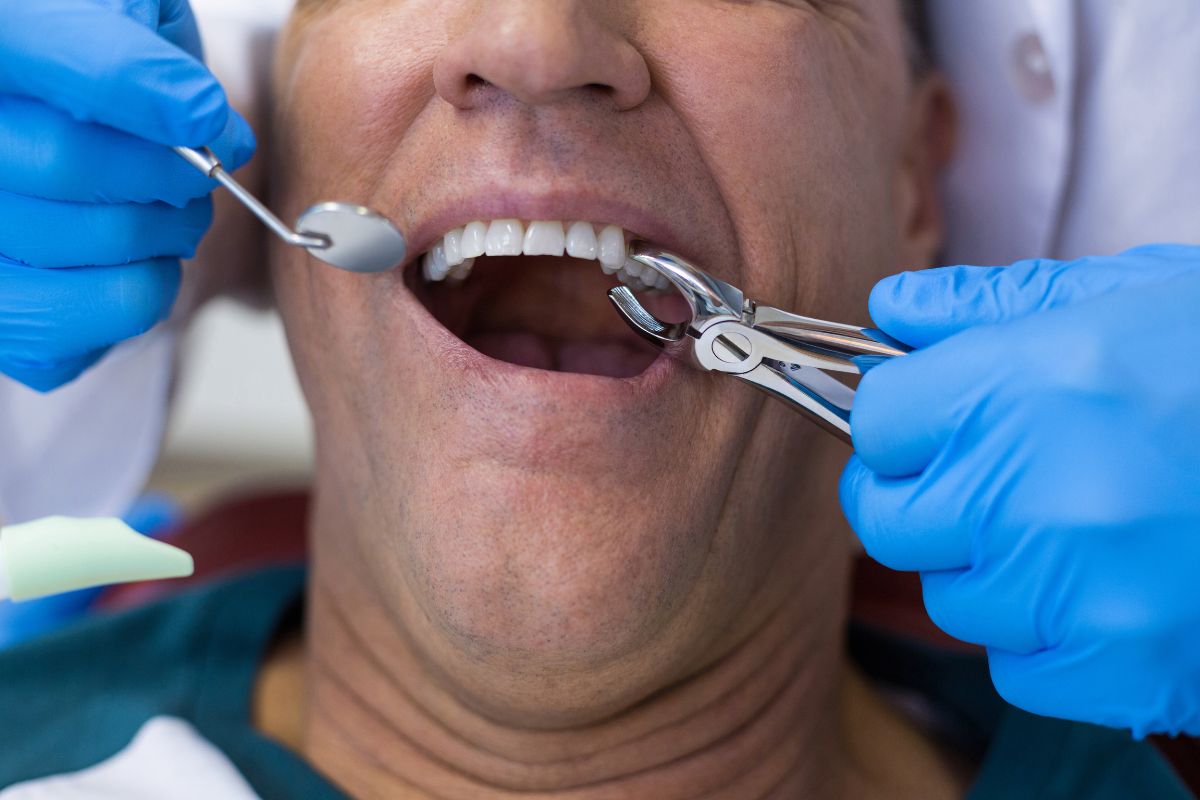
During the procedure, you may feel pressure but not pain. The specialist will carefully loosen the tooth and remove it. A small cut may be made in the gum for surgical tooth removals, like impacted wisdom teeth.
After the treatment, you will be given detailed aftercare instructions:
- Avoid smoking, straws, or crunchy food for 24–48 hours.
- Use ice packs to reduce swelling.
- Take prescribed or over-the-counter pain medication.
- Stick to soft, cool foods like yogurt or mashed potatoes.
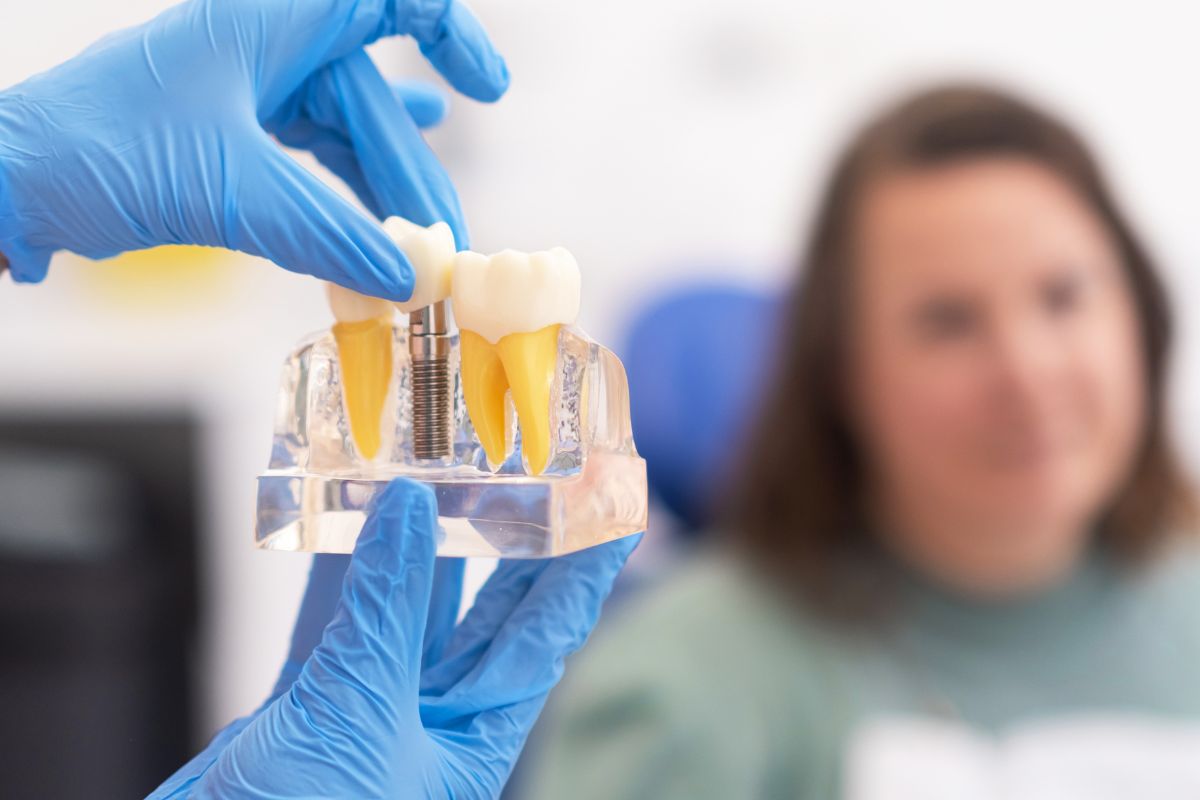
Once the site heals, it is suggested that you replace the missing tooth with a dental implant, bridge, or partial denture to prevent shifting and preserve your bite.
Advanced And Safe Tooth Removal With Trusted Care
Tooth extractions are sometimes necessary to preserve your overall oral health, especially when dealing with decay, gum disease, fractures, or wisdom tooth problems. The treatment is quick, safe, and relatively pain-free with today’s advanced techniques. Whether preparing for orthodontics or managing a complex dental infection, a trusted oral surgeon can guide you through the process with care and expertise. If you are unsure whether you need a tooth removed or want a professional opinion, visit our dental office or schedule an appointment today. We are here to help you protect your smile and heal with confidence.