13975 Connecticut Ave., #208 Silver Spring, MD 20906

Dental Implants in Silver Spring: What to Know Before Replacing Missing Teeth

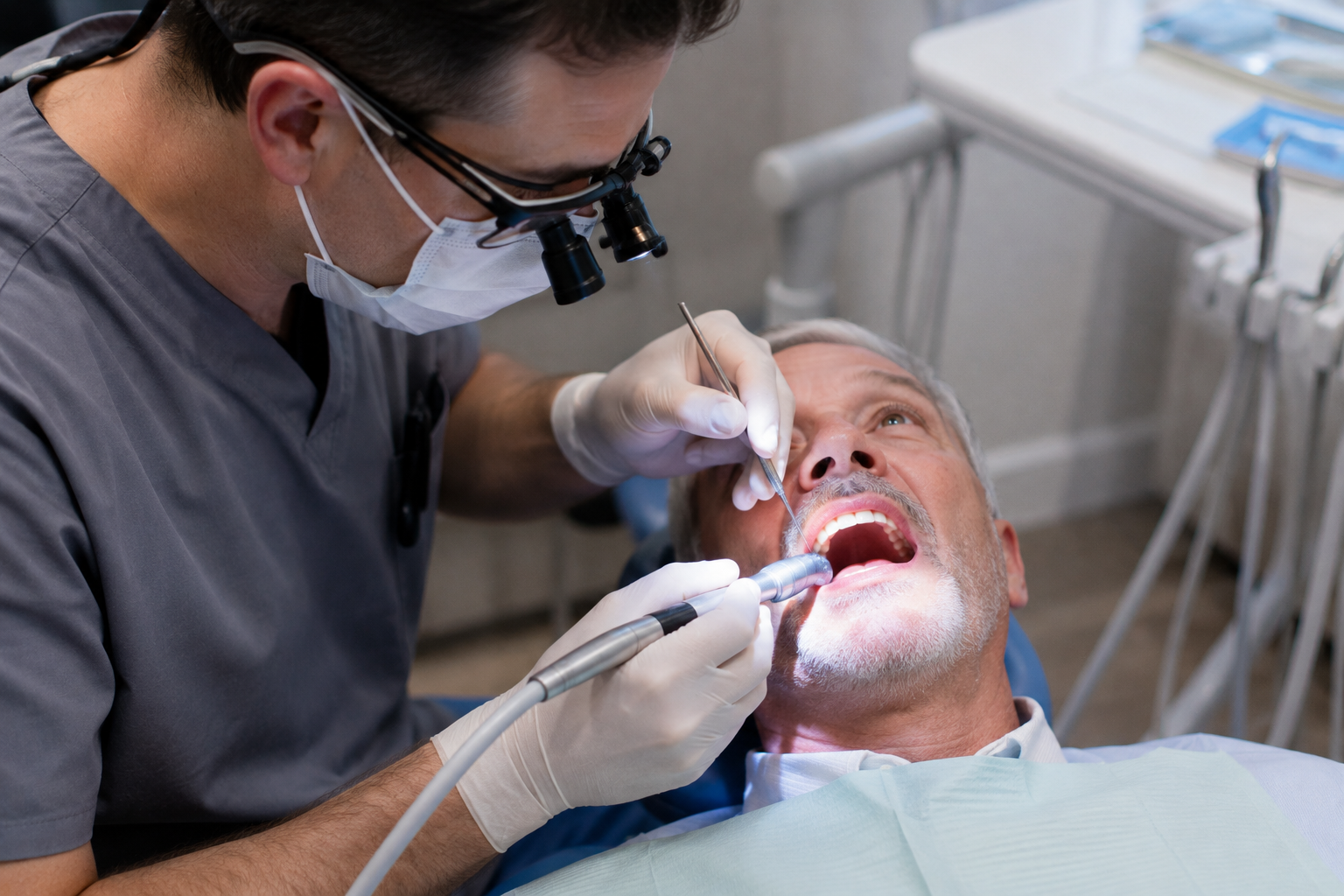
Dental implants in Silver Spring can be an option for replacing a missing tooth and restoring comfortable function. Losing a tooth can affect more than the appearance of your smile. It may make chewing less comfortable, change the way your remaining teeth meet, or leave you wondering which replacement option is right for you. Dental implants are one option for replacing missing teeth, but they are not automatically the right choice for every patient.
If you are considering dental implants in Silver Spring, understanding how the process works and what factors can affect treatment can help you have a more informed conversation with your dental team.
What to Know Before Getting Dental Implants in Silver Spring?
A dental implant is designed to replace the root portion of a missing tooth. After the implant has healed, a restoration can be attached to complete the replacement.
The implant is placed into the jawbone and provides a stable foundation for the final restoration. Depending on your needs, treatment may involve replacing a single tooth, several teeth, or supporting a larger restoration.
Because implant treatment involves more than replacing the visible part of a tooth, careful planning is an important part of the process.
Who May Benefit From Dental Implants?
Dental implants may be considered for patients who have lost one or more teeth and want a stable replacement option.
Your oral health, gum condition, available bone, remaining teeth, and overall treatment goals all influence whether implants are appropriate. A detailed examination allows your dental team to evaluate these factors before treatment begins.
Rather than choosing a replacement based only on appearance, it is important to understand how each option fits into your long-term oral health.
What Happens Before Implant Placement?
Treatment begins with an evaluation and treatment planning. Your provider may examine your teeth, gums, bite, and jawbone to determine whether the area is ready for an implant.
Diagnostic imaging may also be recommended. CBCT imaging can provide three-dimensional information about the jaw and surrounding structures, helping your dental team plan treatment more precisely.
Once your treatment plan is established, implant placement involves positioning the implant in the jawbone. The area then needs time to heal before the final restoration is completed.
What If You Do Not Have Enough Bone?
Adequate bone is an important consideration for implant treatment. Previous tooth loss, infection, or natural changes after losing a tooth can sometimes affect the amount of bone available.
When additional support is needed, bone grafting may be considered as part of the treatment plan. Your provider can determine whether this step is appropriate after evaluating the treatment area.
Not every patient needs bone grafting, which is why an individual evaluation is important.
What Is the Role of a Prosthodontist?
Replacing a missing tooth involves more than placing an implant. The final restoration needs to fit comfortably, function properly, and work with the surrounding teeth.
A prosthodontist in Silver Spring focuses on restoring and replacing missing or damaged teeth. Depending on your needs, the final restoration may involve a crown, dental bridge, or denture.
For patients with several missing or damaged teeth, full-mouth rehabilitation may be considered when multiple restorative concerns need to be addressed together.
Are Implants the Same as Bridges or Dentures?
No. Implants, bridges, and dentures use different approaches to replace missing teeth.
A bridge can replace one or more missing teeth using support from neighboring teeth or implants. Dentures are removable appliances that can replace several or all missing teeth.
In some cases, implants can also support a denture. Implant-supported dentures may be an option for patients who need a replacement for several missing teeth and want additional support.
The best option depends on your oral health, treatment needs, preferences, and long-term goals.
Why Is Gum Health Important?
Healthy gums are an important part of long-term implant care.
If you have active gum disease, it may need to be addressed before implant treatment moves forward. Gum disease treatment can help manage problems affecting the gums and supporting tissues.
Your dental team may also evaluate the tissues around the planned implant site to make sure the area is healthy enough for treatment.
How Long Does Implant Treatment Take?
There is no single timeline for every patient.
Healing time, bone quality, the number of teeth being replaced, and whether additional procedures are required can all affect the process. Some patients may need several stages of treatment, while others may have a more straightforward plan.
Your dental provider can explain the expected sequence of appointments after evaluating your specific situation.
What Happens After Implant Placement?
After the implant is placed, your dental team will provide instructions for caring for the treatment area during healing. Following the recommended post-operative instructions can help you understand what to expect during recovery.
Once the implant has healed sufficiently, the planned restoration can be completed.
Regular dental visits and good daily oral hygiene remain important after treatment. Caring for the surrounding gums and teeth can help support the long-term health of your restoration.
What If I Am Missing Several Teeth?
A single implant is not the only option.
Depending on the number of missing teeth and the condition of the rest of your mouth, treatment may involve multiple implants, an implant-supported bridge, or implant-supported dentures.
Patients with more extensive restorative needs may also benefit from a comprehensive treatment plan that addresses several dental concerns together.
Is an Implant Always the Right Choice?
No. Dental implants can be a useful option for many patients, but they are not appropriate in every situation.
Your provider may recommend an implant, bridge, denture, or another restoration based on your oral health and treatment goals. The decision should be made after evaluating your teeth, gums, supporting bone, and overall needs.
A consultation can help you understand the advantages and limitations of each option before treatment begins.
Restoring Your Smile Starts With a Careful Plan
Replacing a missing tooth is an important decision, and the right treatment depends on more than appearance alone. Your dental team will consider your gums, supporting bone, remaining teeth, and overall oral health when developing a treatment plan.
For patients exploring dental implants in Silver Spring, Maryland Dental Specialty Group provides implant treatment and related restorative care designed around each patient’s individual needs.
Frequently Asked Questions
How long does dental implant treatment take?
Treatment time varies depending on healing, bone levels, the number of teeth being replaced, and whether additional procedures are needed.
Are dental implants painful?
Some discomfort can occur after implant placement. Your dental team will provide instructions for managing the recovery period and caring for the treatment area.
Can I get implants if I have gum disease?
Your gum health should be evaluated before treatment. Existing periodontal problems may need to be addressed before implant placement.
What if I do not have enough bone for an implant?
Your provider can assess the available bone and determine whether bone grafting may be appropriate.
Are implants better than dentures?
Neither option is automatically better for every patient. Your dental team can compare implants, dentures, and other replacement choices based on your individual needs.
How do I know whether dental implants are right for me?
A consultation is the best way to find out. Your provider can evaluate your teeth, gums, bone, and treatment goals before recommending a replacement option.