13975 Connecticut Ave., #208 Silver Spring, MD 20906

Oral Surgery For Impacted Teeth: When And Why It’s Needed


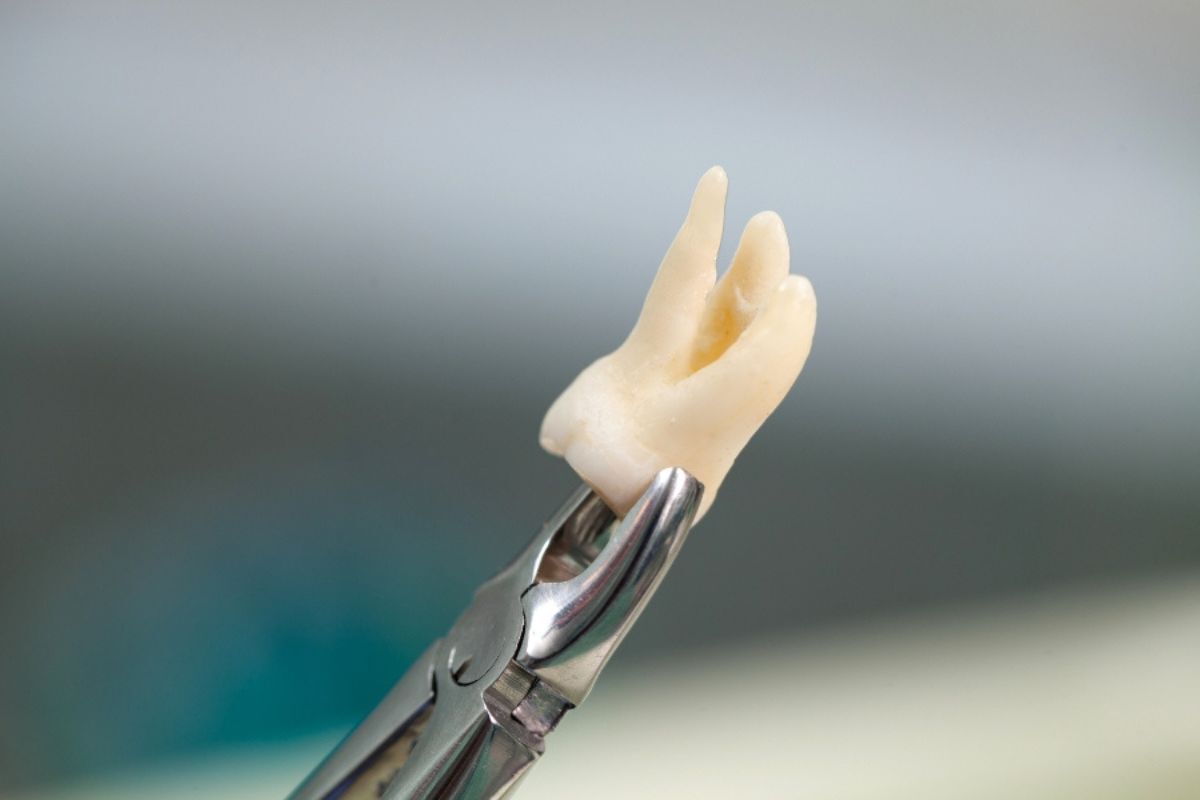
When a tooth does not fully break through the gums, it is known as impacted. This common yet complex issue can cause swelling, discomfort, and long-term alignment problems if left untreated. Timely surgical intervention ensures better function, comfort, and overall oral wellness. Understanding when and why this procedure is necessary empowers patients to take charge of their health and avoid complications.
What Happens When A Tooth Becomes Impacted?
An impacted tooth occurs when the jaw does not have enough room to emerge properly. This often happens with wisdom teeth, but it can also affect other molars or canines. When trapped below the surface, it may cause pressure, tenderness, or inflammation in the surrounding tissues. With digital imaging technology, professionals can detect hidden impactions early, allowing for prompt and precise treatment before symptoms worsen.
Key Reasons Surgical Care Becomes The Need Of The Hour
Sometimes, impacted teeth cannot correct themselves and begin to interfere with your overall oral health. In such cases, professional surgical intervention is the most effective solution. You may need treatment if you experience any of the following:
- Ongoing pain or facial swelling that does not subside on its own.
- Shifting or crowding caused by pressure against nearby teeth.
- Cysts or infections forming beneath the gums or around the affected area.
- Bone loss or sinus pressure due to untreated impaction.
A comprehensive evaluation using high-resolution imaging helps your provider determine whether removal or repositioning is the best course of action. Most procedures are performed under local anesthesia or sedation dentistry, ensuring comfort and a calm experience from start to finish.
Why A Qualified Specialist Ensures Safer Treatment?
When a tooth is deeply trapped or positioned close to nerves or sinuses, it is best to have a qualified specialist handle your care. An oral surgeon in Silver Spring, MD, has advanced training to perform these procedures safely and effectively. They understand how to protect the surrounding bone, gum tissue, and nearby teeth during treatment.
With precise planning and modern surgical techniques, these specialists help reduce discomfort, lower the risk of complications, and support faster healing. In most cases, patients experience a smoother recovery and regain full comfort within days.
What Does Your Oral Surgical Process Involve?
If a tooth is trapped beneath the gums, a specialist will recommend a minor surgical procedure. The process is straightforward and usually completed in one visit.
During The Procedure:
- Preparation: You will receive local anesthesia or mild sedation to keep you relaxed and pain-free.
- Accessing The Tooth: A small incision is made in the gum to reach the impacted area.
- Removal Or Repositioning: Depending on its placement, the tooth is gently removed or shifted to its proper position.
- Cleaning And Closing: The area is cleaned carefully and stitched for appropriate healing.
Modern minimally invasive surgical techniques make this process efficient and help reduce swelling and discomfort afterward.
After The Procedure:
- Take prescribed medications as directed.
- Rest and avoid strenuous activity for the first 24–48 hours.
- To prevent irritation, follow a soft-food diet after oral surgery. Add yogurt, soups, smoothies, or mashed potatoes to your diet.
- Rinse gently with warm salt water after meals to keep the area clean.
When you follow these recovery tips, you will feel significantly better within a few days and quickly return to normal routines.
How To Prevent Future Oral Complications?
Routine dental visits play a key role in prevention. Through 3D imaging scans, your care team can monitor tooth development and spot early warning signs before discomfort begins. Maintaining consistent hygiene, regular cleanings, and timely checkups can help ensure minimal or unnecessary future extractions.
When To Seek Medical Assistance Without Delay?
Do not delay seeking care if you feel jaw pressure, swelling, or difficulty opening your mouth. These are common signs of impaction that require prompt evaluation. Early detection saves you from pain and helps preserve the alignment and health of your smile.
Get Back To Smiling Without Pain Or Worry
Unresolved impactions can lead to bigger problems down the line, but timely intervention keeps your smile healthy and functional. If you notice persistent jaw discomfort or soreness near the back molars, visit our dental office at Maryland Dental Specialty Group to discuss your best options for relief. Our professional evaluation today ensures you can smile comfortably tomorrow.
Frequently Asked Questions (FAQs)
Q 1. What signs indicate a tooth is impacted?
An impacted tooth may show redness or swelling of gum tissue, jaw discomfort, difficulty opening fully, or a persistent bad taste. It may also be asymptomatic, which is why imaging is often needed for proper diagnosis.
Q 2. Do all impacted teeth need to be removed?
No, monitoring may be sufficient if the impacted tooth is not causing pain, infection, or damage to nearby teeth. However, treatment is typically recommended if there are signs of complications.
Q 3. How long does recovery typically take after impacted tooth removal?
Many people resume normal activities within a few days, though full soft tissue healing may take one to two weeks. The underlying bone healing continues for several weeks to months, depending on the individual’s case.
Q 4. What happens during the surgical removal of an impacted tooth?
The procedure begins with anesthesia for comfort, followed by an incision in the gum, access through bone if needed, and the tooth’s safe extraction or repositioning. Afterward, the site is cleaned and sutured, and recovery instructions, such as a soft diet and gentle hygiene, are provided.
Q 5. Can impacted teeth lead to other problems if untreated?
Yes, untreated impactions can lead to infections, cysts, damage to neighboring teeth, gum disease, and bone loss around the area. Early detection and treatment help reduce the risk of these complications.