13975 Connecticut Ave., #208 Silver Spring, MD 20906

The Ultimate Dental Implant Recovery Guide for Silver Spring Residents

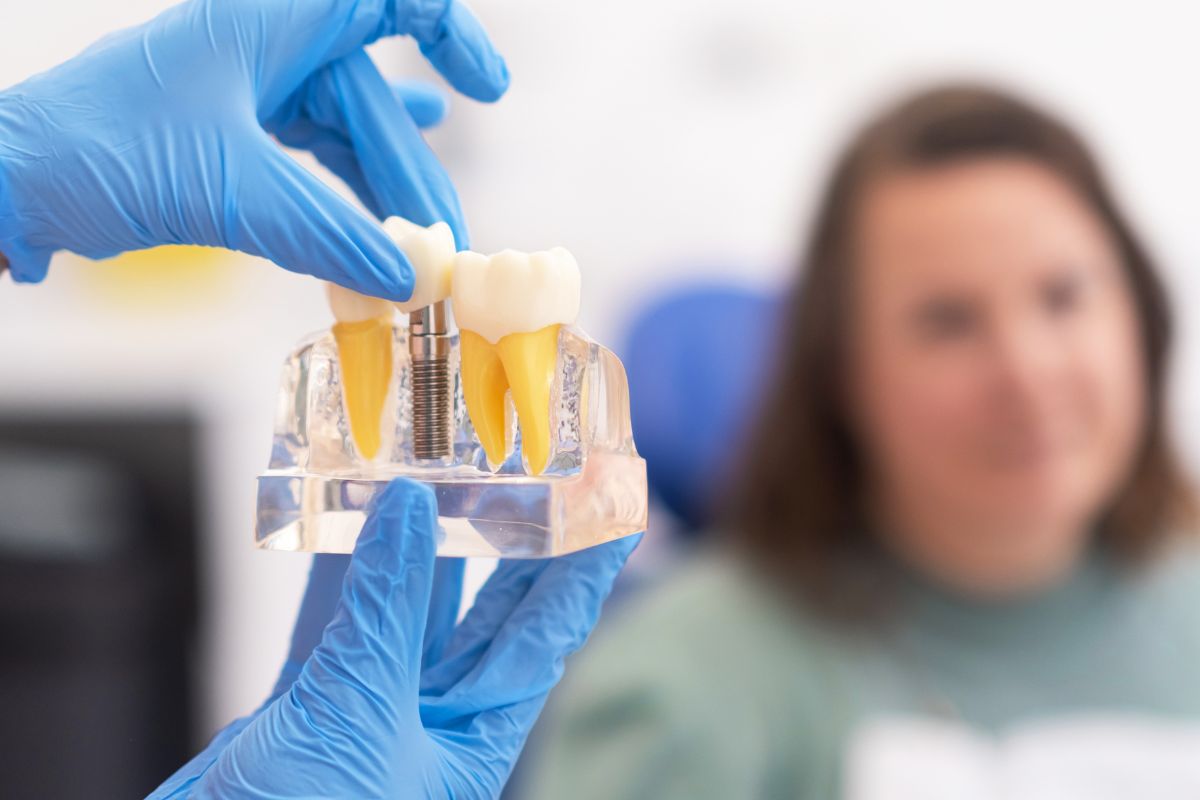
Dental implants are commonly the preferred option for replacing missing teeth for most Americans. This treatment offers a permanent and natural-looking alternative to traditional dentures or bridges. If you’ve recently undergone the implant surgery or are considering this life-changing procedure, it’s essential to understand the healing process and what to expect during recovery. With the right care and preparation, you can ensure a smooth healing journey and be back to enjoying your daily routine in no time.
Therefore, if you have already undergone or are about to undergo dental implants in Silver Spring and want to get details about the recovery, here’s a day-by-day guide. Get to know the tips for healing, localized advice, and how you can get back to enjoying some of the best food and attractions in this city.
Day 1-2: Immediate Post-Surgery Care
After the implant placement procedure, the first couple of days are crucial. You might feel some discomfort, swelling, and slight bleeding near the implant site. These are typical parts of the normal healing process. At this stage, it’s important to take it easy and give your body time to adjust.
What to Expect
- Swelling: Swelling is common and may reach its peak during the first 48 hours. Using an ice pack on the affected area can help lessen this.
- Pain: You may experience some pain or tenderness around the implant site. This can typically be managed with prescribed painkillers or over-the-counter medication.
- Diet: Stick to soft foods like mashed potatoes, yogurt, and smoothies to avoid putting strain on the surgical area. If you’re a fan of local food, enjoy the comfort of soups from Silver Spring’s favorite spots like The Original Pancake House or Quarry House Tavern.
Tip: Try not to disturb the surgical site with your tongue or fingers, and avoid consuming hot foods or beverages while the numbness from the surgery lasts.
Day 3-5: The First Stages of Healing
During this time, your body will begin the process of osseointegration, where the implant fuses with your jawbone. Though the discomfort should start to diminish, it’s important to continue to take care of the implant site.
What to Expect
- Bleeding: While mild bleeding is normal in the first 48 hours, it should subside soon after. If bleeding continues beyond that, contact your dentist.
- Pain and Discomfort: While pain should decrease by day 3, it’s still advisable to take it easy and follow your dentist’s instructions. Your dentist may have recommended a saltwater rinse to gently clean the area.
- Diet Transition: You can begin transitioning back to slightly firmer foods. Choose gentle, easy-to-chew foods such as well-cooked vegetables, soft bread, or light pasta. Silver Spring offers a variety of cozy spots where you can enjoy soft meals, such as Maple Ave Restaurant, which offers delicious soups and light dishes perfect for post-surgery recovery.
Tip: Continue to rest and avoid strenuous physical activities. Walking in Silver Spring’s scenic Acorn Park or along Sligo Creek Parkway is gentle enough to help boost circulation while you heal.
Day 6-7: Early Stages of Bone Integration
By the end of the first week, you should notice a significant reduction in swelling and discomfort. The implant site is well on its way to integrating with the bone, a critical step that will ensure long-term stability and strength.
What to Expect
- Reduced Swelling and Pain: By this stage, most of the swelling should subside, and the pain should be significantly reduced. However, some mild discomfort is still normal.
- Eating and Drinking: You can now begin eating more solid foods, although it’s best to avoid anything overly tough or chewy. Enjoy soft meals like the tasty crab cakes from The Silver Spring Diner or creamy pasta from Miss Toya’s Creole House.
- Oral Hygiene: Continue following your dentist’s advice for oral care. If your dentist provides a special rinse, be sure to use it as directed to keep the surgical site clean.
Tip: Brush gently around the implant site and avoid using a hard-bristled toothbrush to prevent irritation. Follow up with a saltwater rinse to keep the area clean.
Week 2-4: Healing Progress and Integration
At this stage, your body is well into the healing process. The implant is becoming fully integrated into your jawbone, a process that can take several months. However, the early signs of successful healing should be visible by the second week.
What to Expect
- Healing Progress: While swelling and pain should be largely gone, the implant is still integrating into the jawbone. You may notice that the site feels more comfortable, but some tenderness can linger.
- Diet Flexibility: You can now enjoy a wider variety of foods, though it’s still a good idea to avoid extremely hard or crunchy foods that might disturb the implant. Whether you’re grabbing a bite at the popular Nando’s Peri-Peri or enjoying the flavors of Silver Branch Brewing Company, stick with soft-to-medium foods to avoid irritation.
- Follow-Up Appointment: Your implant specialist will likely schedule a follow-up appointment to monitor the healing process. During this visit, they will ensure the implant is healing properly and may provide additional care instructions if needed.
Tip: Pay close attention to any signs of discomfort or complications, such as increased pain or sensitivity. If you experience any unusual symptoms, contact your dentist right away.
1-3 Months: Final Stages of Healing
The final stages of healing see the dental implant securely integrated into your jawbone. At this point, the implant site should be fully healed, and you’ll be ready to have your permanent restoration placed.
What to Expect
- Bone Integration Complete: Your implant should be fully integrated into your jawbone, making it a permanent part of your mouth.
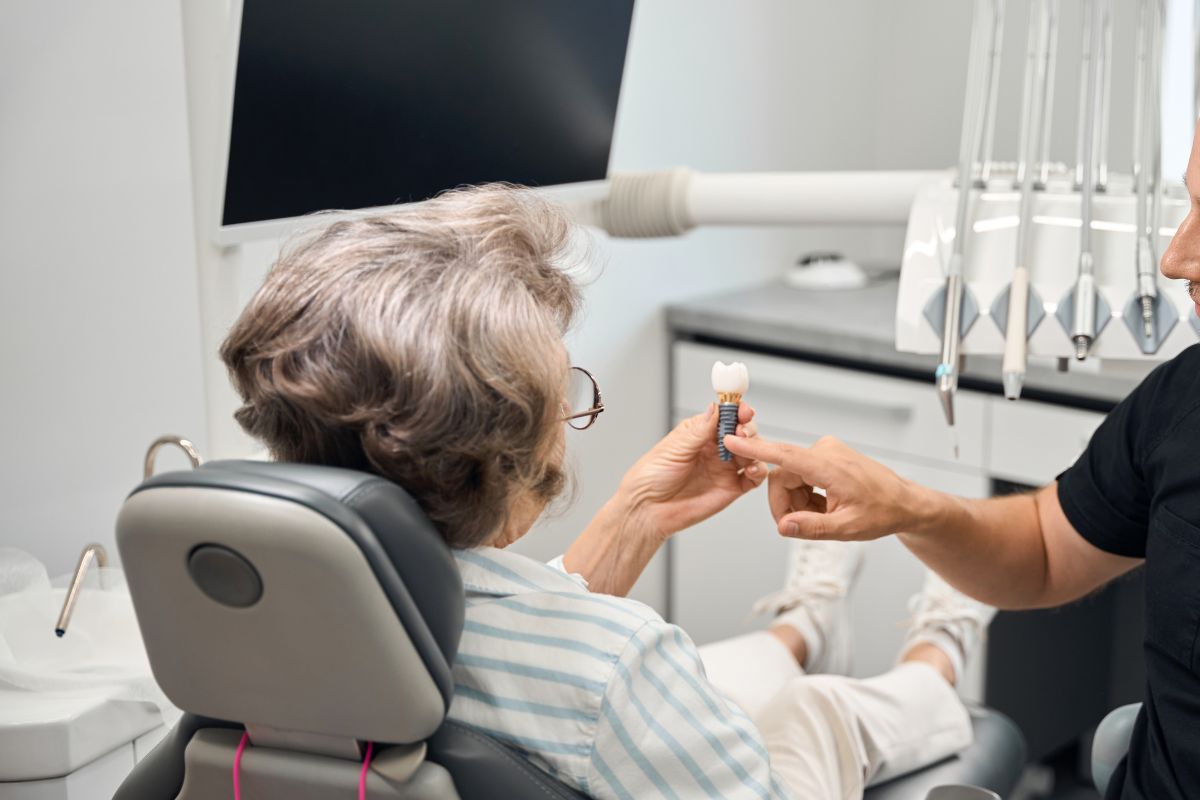
- Restoration Placement: After ensuring the implant site is fully healed, your dental specialist will place your permanent dental crown, bridge, or denture onto the implant.
- Normal Activities: By now, you can resume all normal activities, including eating and drinking whatever you like. If you’re ready to get back to enjoying your daily life in this city, where there is no shortage of amazing places to visit, including local landmarks like Downtown Silver Spring and The Fillmore.
Tip: While the recovery process is nearly complete, continue practicing good oral hygiene and avoid habits that could damage your implants, such as biting on hard objects or smoking.
Begin Your Journey to a Perfect Tooth Replacement
Implants offer a long-lasting, natural-looking solution to missing teeth, but the healing process requires patience and attention. By following this day-by-day guide and taking proper care of your implants, you can ensure a smooth recovery and enjoy the benefits of your restored smile.
If you’re in this census-designated place in Maryland and ready to discover more about how dental implants in Silver Spring can transform your smile, don’t hesitate to reach out to us. Contact Maryland Dental Specialty Group to schedule a consultation or visit our dental office in Silver Spring and begin your journey to a healthier, more confident smile. Book your appointment today!
FAQs
How long does the healing process take after dental implant surgery?
The healing process typically takes 3-6 months for full integration. Swelling and discomfort should subside in the first few days, with final recovery taking a few months.
Can I eat normally after dental implants?
For the first few weeks, stick to soft foods. Once the implant is fully integrated, you can return to eating your regular diet, though avoid hard or chewy foods at first.
Is there pain after getting dental implants?
Mild discomfort is normal after the procedure. The pain should gradually subside within a few days, and you can manage it with prescribed pain medication or over-the-counter options.
Are dental implants suitable for everyone?
Most people with good oral health are candidates for dental implants. However, your dentist will evaluate bone density and overall health to ensure you’re a suitable candidate.
How do I care for my dental implants after surgery?
Follow your dentist’s post-surgery care instructions, including avoiding hard foods, practicing gentle brushing, and using prescribed oral rinses to maintain cleanliness.
What should I avoid during the recovery period?
Avoid smoking, drinking through straws, and consuming hot or hard foods that could irritate or disturb the implant site during the early healing stages.
When can I return to normal activities after getting dental implants?
You can return to light activities within a few days, but avoid strenuous exercise for at least a week. Full recovery allows you to resume all normal activities after a few weeks.