13975 Connecticut Ave., #208 Silver Spring, MD 20906

What To Expect As You Recover From Oral Surgery?

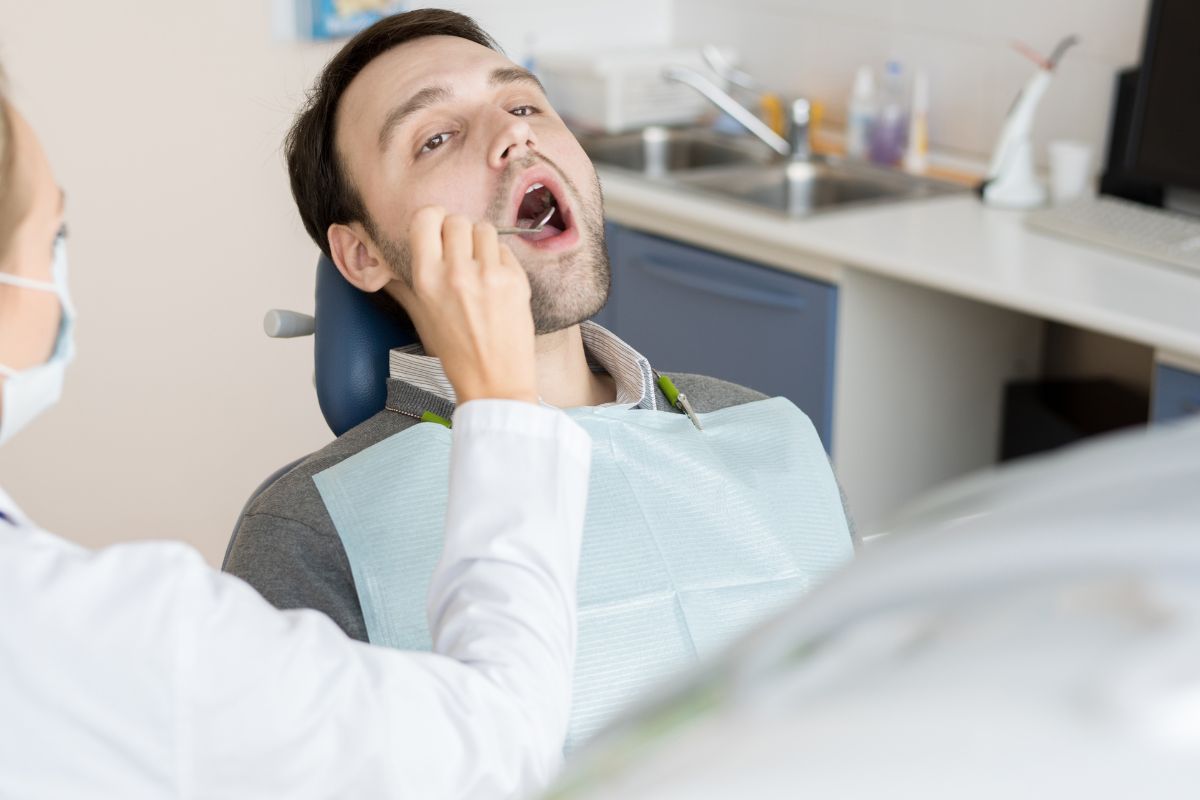
Undergoing oral surgery can seem daunting, but understanding the recovery process helps alleviate stress and promotes a smoother healing experience. Whether you’re in Silver Spring or the surrounding areas, following your oral surgeon’s instructions is crucial for a fast and complication-free recovery. The healing time may vary depending on the complexity of the procedure, but with proper care, most patients experience a quick recovery.
The First Few Days: Managing Discomfort And Swelling
In the early days following the teeth operation, it’s normal to experience swelling and some discomfort. This is particularly common in Silver Spring, where seasonal weather changes can affect inflammation. If it’s winter, you might feel extra discomfort due to the dry air, so using humidifiers at home can help keep the air moist and prevent further irritation. Cold compresses and prescribed medications will also help manage pain and swelling.
During this time, it’s also crucial to rest and avoid outdoor activities, especially with the chilly winter winds.
As the weather warms, you can begin to ease back into outdoor activities, but be mindful of sudden exposure to sunlight, as it can lead to swelling. Just as the locals are accustomed to enjoying the fresh outdoors, it’s essential to strike the right balance between resting and gradually returning to regular activities as your healing progresses.
Pain Management And Post-Surgical Care
Pain is to be expected. However, it can be managed effectively with over-the-counter pain medications or those prescribed by an oral surgeon in Silver Spring, MD.
Since this area can experience fluctuating weather temperatures, it’s vital to manage your environment to enhance recovery. Use ice packs during the first 24 hours, especially in the colder months, to reduce swelling. If it’s warm outside, keep your surgical site cool and avoid overheating the area. Elevating your head when resting and avoiding strenuous activity during this time are crucial to reducing the risk of complications.
A local dentist will provide you with clear instructions on caring for your mouth and managing pain. This includes taking medications as prescribed and avoiding hot or spicy foods, which can irritate your surgical site.
The Healing Process: Week 1 And Beyond
As spring approaches, many residents are accustomed to a shift in energy as the city begins to bloom. This is a perfect time to start feeling more energetic and ready to return to your regular routine. By the end of week one, you should experience a noticeable reduction in swelling.
During this period, avoid direct sun exposure, as it may irritate the healing tissue. With the changing weather, many local activities like hiking or outdoor events may tempt you, but it’s essential to take it easy until you’re fully healed.
Depending on the procedure, full recovery can take 2 to 4 weeks.
However, warmer weather can make it easier to get outside for fresh air and gentle walks, which aid the healing process. The active community lifestyle in Four Corners underscores the importance of balancing rest and activity during this recovery phase.
Diet And Activity Restrictions During Recovery
After a surgical procedure on teeth, it’s crucial to modify your diet to ensure proper healing. When local flavors and outdoor dining are part of the lifestyle, follow these guidelines to make your recovery smoother while still enjoying the area’s culinary favorites. Here’s what to keep in mind when it comes to food and drink after surgery:
- Stick To Soft Foods: Enjoy soft, easy-to-eat options like yogurt, mashed potatoes, or smoothies from Southside Deli or Silver Spring’s farmer’s market.
- Hydration Is Key: Drink plenty of water, especially in hot summers, but avoid using straws to prevent disrupting your healing.
- Avoid Crunchy And Hard Foods: Skip popular snacks like chips and nuts. Instead, opt for softer options to avoid irritating your surgical site.
- Enjoy Local Favorites Carefully: While you may love the food at The Original Pancake House or Ramen Takeya, it’s best to avoid anything too hot or spicy that could aggravate the healing process.
When To Contact Your Oral Surgeon?
If any unusual symptoms arise during recovery, like excessive bleeding or severe pain, reach out to a specialist immediately. In Silver Spring, where health-conscious living is a priority, taking the proper steps early can prevent any complications that may arise during recovery. If you experience fever or persistent discomfort beyond what was expected, contact your oral care provider for guidance.
Facing Complications? We Are Here For Prompt Help
Recovery from a tooth operation doesn’t have to be intimidating. By following the care instructions from our oral surgeon and being proactive about your recovery, you’ll be well on your way to a quick, effective recovery. If you have concerns or need additional advice, don’t hesitate to visit our dental office, Maryland Dental Specialty Group, for a follow-up consultation. We’re here to ensure that your recovery is as smooth as possible, allowing you to enjoy life in Silver Spring and beyond without missing a beat.
Frequently Asked Questions (FAQs)
- How long does it take to recover from oral surgery?
Recovery typically takes 2-4 weeks, depending on the surgery. Following your dentist’s post-operative instructions closely can speed healing and help you return to normal activities quickly. - What should I avoid after my dental surgical procedure?
After surgery, avoid hot foods, alcohol, and smoking, as these can irritate the surgical area and hinder healing. Stick to soft foods and stay hydrated to promote faster recovery. - Is it normal to have swelling after oral surgery?
Yes, some swelling is expected after the teeth operation. Cold compresses can help reduce swelling in the first 24-48 hours, and keeping your head elevated while resting will also assist with recovery. - Can I brush my teeth after oral surgery?
You can gently brush your teeth, but avoid the surgery site for the first few days. Use a saltwater rinse to clean your mouth and reduce the risk of infection gently. - What are the signs of infection after a tooth operation?
If you notice increased pain, pus drainage, or a fever, these could be signs of infection. Contact our dentist immediately if you experience any of these symptoms to prevent complications.