13975 Connecticut Ave., #208 Silver Spring, MD 20906

Foods You Should Avoid for Faster Healing After the Dental Implant Procedure

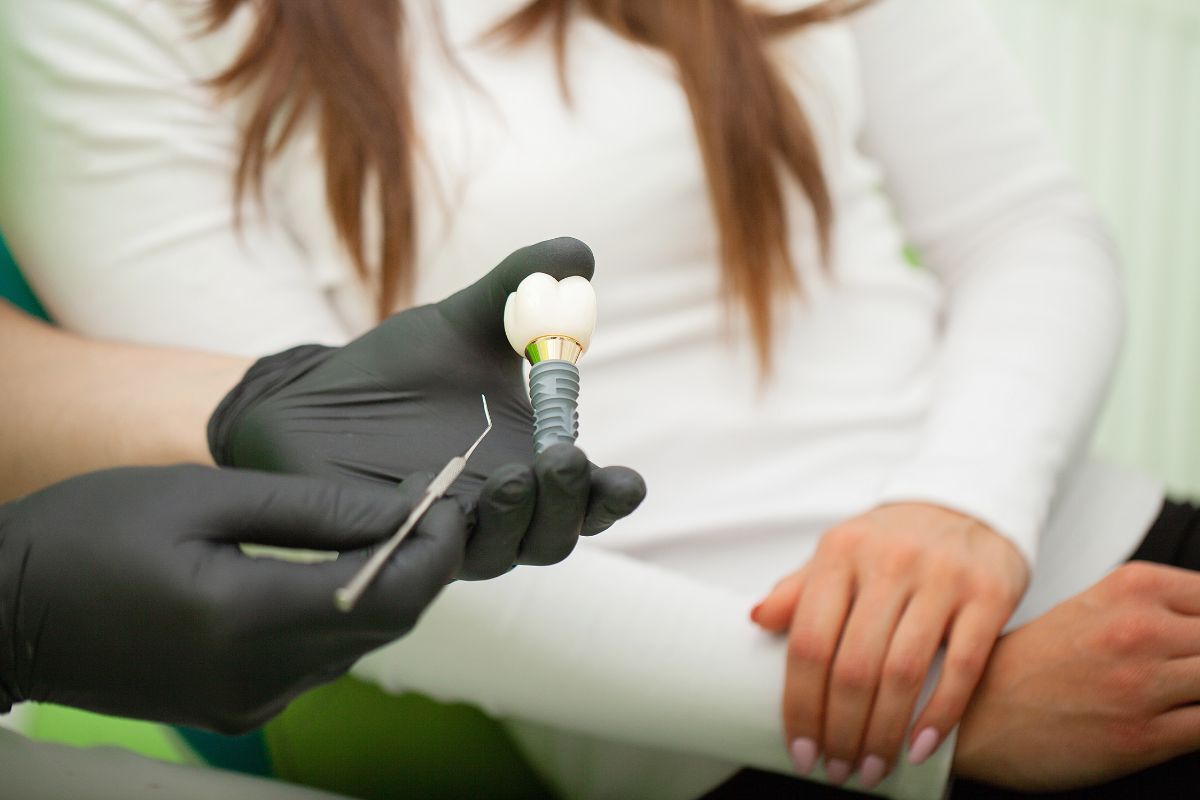
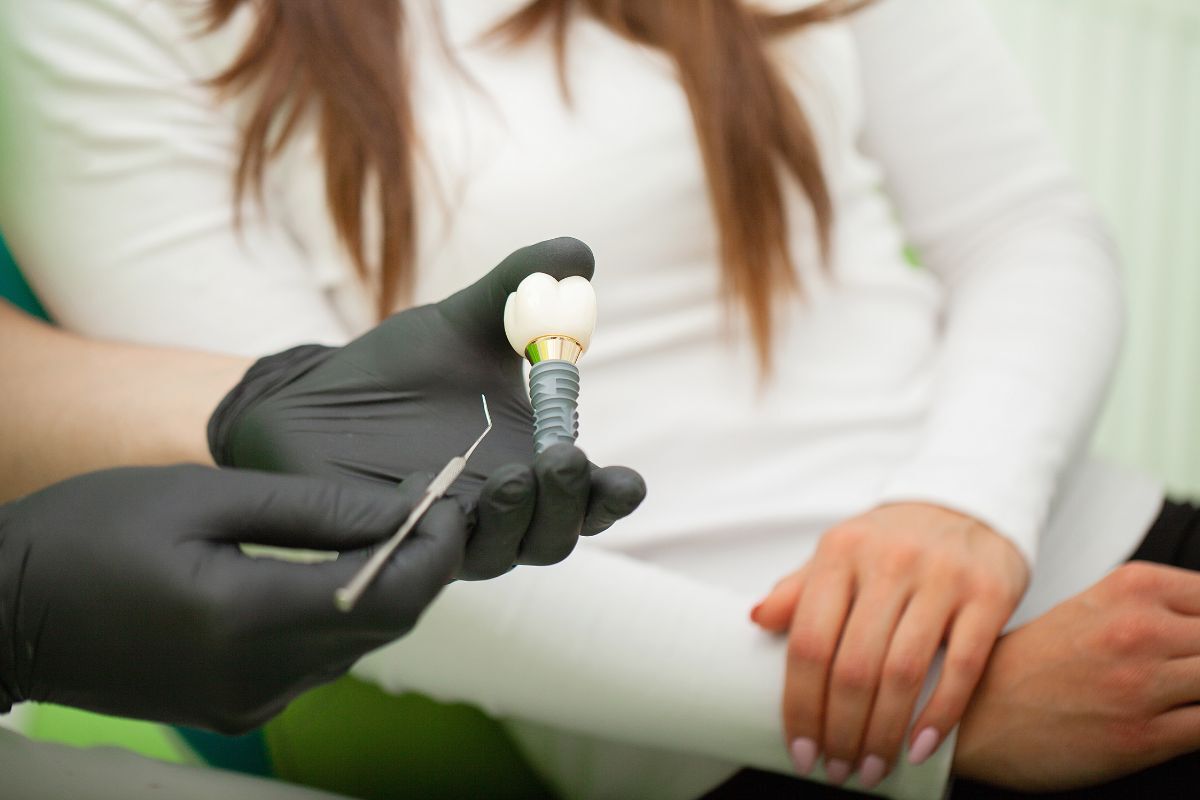
Getting dental implants is not just about replacing missing teeth. It is also about protecting the healing process that allows the implant to bond securely with your jawbone. What you eat during recovery can either support that process or interfere with it.
Many patients focus only on the surgery itself. However, the days after treatment are equally important. Eating the wrong foods too early can increase inflammation, irritate surgical areas, slow tissue repair, or even place pressure on healing implants before they stabilize.
According to the U.S. Centers for Disease Control and Prevention, severe tooth loss remains a major concern among American adults over 65. Proper tooth replacement and long-term implant care play a major role in maintaining oral function and quality of life.
At Maryland Dental Specialty Group, our team believes implant recovery should be approached with the same level of precision as implant placement itself. Dr. Jamaad Abdi and Dr. Nathanael Dejene guide patients through every phase of healing so they understand how daily habits, including food choices, influence long-term implant success. If you are planning treatment or recovering now, scheduling a personalized consultation can help you protect your results and heal with confidence.
Why Does Food Matter So Much After Implant Surgery?
The foods you eat directly affect inflammation, chewing pressure, bacterial growth, and tissue healing after implant placement. Certain foods may disturb the surgical area or delay osseointegration, the process by which the implant fuses with the jawbone.
Most patients expect some tenderness after surgery. That is normal. What many do not realize is that chewing hard or sticky foods too early can create microscopic movement around the implant site. Even small disturbances during early healing may increase complications.
This becomes especially important for active locals grabbing meals around Downtown Silver Spring or enjoying favorites from longtime neighborhood eateries. Recovery often goes more smoothly when patients plan soft, nourishing meals ahead of time rather than relying on convenient takeout options that may irritate healing tissues.
- Avoid Crunchy Foods After the Procedure
Crunchy foods can place direct pressure on healing implant sites and may irritate sutures or inflamed tissues. Sharp fragments can also damage sensitive gum tissue during early recovery.
Foods like:
- Chips
- Pretzels
- Popcorn
- Crusty bread
- Hard taco shells
- Granola
can create unnecessary stress around the implant area.
Popcorn deserves special attention. Tiny kernels frequently become trapped beneath healing gums. This increases irritation and raises the risk of bacterial accumulation around the surgical site.
Patients recovering from dental implants in Silver Spring are often surprised by how long they should avoid hard-textured foods. In many cases, dentists recommend limiting crunchy foods for several weeks, depending on healing progress and the number of implants placed.
- Sticky Foods Damage Healing
Yes. Sticky foods can tug on healing tissues, disturb blood clots, and increase bacterial buildup around implant sites. Some sticky foods also require excessive chewing force.
Foods to avoid include:
- Caramel
- Taffy
- Chewy candies
- Gum
- Dried fruit
- Sticky protein bars
After surgery, the gums surrounding the implant are still stabilizing. Sticky foods may pull against delicate tissues every time you chew. In some situations, this may loosen temporary restorations or irritate sutures.
Many patients do not realize that even healthy snacks can become problematic during recovery. Dried cranberries or chewy granola bars from local cafés may seem harmless, but they often cling to healing gums and are difficult to clean thoroughly.
What to Eat Instead
Try soft foods that are easier to chew and clean away naturally:
- Cottage cheese
- Scrambled eggs
- Smooth hummus
- Soft bananas
- Avocado
These foods provide nutrients without excessive chewing strain.
- Spicy Foods can Cause Problems After the Surgery
Spicy foods can irritate healing tissues and increase discomfort during early recovery. Hot spices may also worsen inflammation or sensitivity near surgical sites.
This does not mean you must eat bland food for weeks. However, heavily spiced meals should be limited during the initial healing phase.
Foods commonly causing irritation include:
- Hot wings
- Spicy curries
- Salsa with jalapeños
- Buffalo sauce
- Extremely seasoned fried foods
Patients sometimes notice throbbing or burning sensations after eating spicy meals too soon. This happens because capsaicin, the compound responsible for heat, can aggravate healing tissues.
For people who regularly enjoy bold flavors from popular Ethiopian, Salvadoran, or Latin restaurants around the area, temporary dietary adjustments may feel frustrating. However, allowing your gums time to stabilize often leads to smoother long-term healing.
Healing-Friendly Flavor Options
Instead of spicy foods, consider:
- Mild soups
- Herb-seasoned fish
- Soft rice bowls
- Warm pasta
- Smooth vegetable purées
You can still enjoy flavorful meals without irritating the surgical site.
- Sugary Foods and Drinks Be Limited
Sugary foods increase bacterial growth inside the mouth and may raise the risk of infection around healing implants. Excess sugar can also contribute to inflammation.
After implant surgery, the mouth becomes more vulnerable to bacterial accumulation. Sugary beverages and desserts feed harmful bacteria that may interfere with healing.
Common examples include:
- Soda
- Sweet tea
- Milkshakes
- Candy
- Frosted pastries
- Ice cream with crunchy toppings
This does not mean every sweet food is forbidden forever. The goal is to reduce excessive sugar exposure while tissues recover.
Patients receiving dental implants in Silver Spring often ask whether smoothies are safe after surgery. The answer depends on the ingredients. Smoothies without excessive sugar or crunchy mix-ins are usually easier on healing tissues and far safer than carbonated drinks or sugary desserts.
Better Beverage Choices
Hydration supports healing. Choose:
- Water
- Low-sugar smoothies
- Protein shakes
- Unsweetened herbal tea
- Electrolyte drinks without high sugar content
Proper hydration also helps reduce dry mouth during recovery.
- Avoid Alcohol After Implant Treatment
Yes. Alcohol may slow healing, increase dryness, and interfere with the body’s inflammatory response after surgery. Certain alcoholic drinks may also interact with prescribed medications.
Alcohol can affect circulation and reduce the body’s ability to repair tissues efficiently. It may also increase swelling during the early recovery phase.
Patients should especially avoid:
- Beer
- Wine
- Hard liquor
- Cocktails with high sugar content
This is particularly important during the first several days after surgery when clot formation and tissue stabilization are most critical.
What Helps Recovery More?
Instead of alcohol, focus on recovery-supportive habits:
- Stay hydrated
- Sleep adequately
- Eat soft protein-rich foods
- Follow oral hygiene instructions carefully
- Attend follow-up appointments
Healing success depends on consistent aftercare.
Foods That Actually Help the Treated Area Heal Faster
Soft, nutrient-rich foods support tissue repair and reduce strain during recovery. Protein, vitamins, and hydration all contribute to healthy healing.
Helpful foods include:
- Scrambled eggs
- Greek yogurt
- Salmon
- Mashed potatoes
- Oatmeal
- Smooth soups
- Soft-cooked vegetables
- Protein smoothies
Protein plays a particularly important role because healing tissues require amino acids for repair. Foods rich in vitamins C and D may also support gum health and bone recovery.
Small Food Choices Can Protect Long-Term Implant Success
Dental implants are designed to function like natural teeth, but healing requires patience and smart recovery habits. The foods you avoid during those early weeks can significantly influence comfort, tissue stability, and long-term implant success.
At Maryland Dental Specialty Group, patients receive personalized guidance throughout every phase of implant care. Whether you are replacing one tooth or planning a more advanced restoration, our team focuses on long-term function, stability, and healing support tailored to your needs. Scheduling a diagnostic evaluation allows you to understand your treatment options, healing timeline, and the steps that help protect your results for years ahead.
FAQs
How long should I eat soft foods after dental implant surgery?
Most patients stay on soft foods for several days to a few weeks. Healing timelines vary depending on implant location, bone quality, and the complexity of surgery.
Can I drink coffee after getting dental implants?
Warm coffee may be allowed after early healing begins. Extremely hot beverages should usually be avoided immediately after surgery because they may irritate healing tissues.
Is it normal to lose appetite after implant surgery?
Yes. Mild discomfort and swelling can temporarily reduce appetite. Soft, protein-rich foods and proper hydration usually help patients maintain nutrition during recovery.
Can spicy food cause dental implant failure?
Spicy food alone usually does not cause implant failure. However, it can irritate healing tissues and increase discomfort during the critical early healing phase.
When can I eat steak or burgers again after dental implants?
Most patients should wait until their dentist confirms stable healing. Tough meats require strong chewing pressure that may stress healing implant sites too early.
Are smoothies safe after dental implant surgery?
Yes, if they are low in sugar and do not contain crunchy ingredients. Smoothies can provide nutrients while minimizing chewing stress during recovery.
What happens if food gets stuck near the implant?
Food trapped near healing implants may increase irritation and bacterial buildup. Gentle rinsing and proper oral hygiene help keep the surgical area clean during recovery.