13975 Connecticut Ave., #208 Silver Spring, MD 20906

Are Dental Implants Permanent? What Every Patient Should Know

Losing a tooth can affect far more than your smile. It can change the way you chew, speak, and feel about your appearance.
Many people searching for a lasting solution often ask one important question: ‘Are tooth implants permanent?’ The answer is not as simple as yes or no, because different parts of an implant have different lifespans. Understanding how they work and what influences their longevity can help you make a confident treatment decision.
At Maryland Dental Specialty Group, patients receive detailed evaluations and evidence-based recommendations for restoring missing teeth.
Are you considering dental implants in Silver Spring? This guide explores their expected lifespan, the factors that contribute to long-term success, and how proper maintenance can help you enjoy lasting results.
What Does “Permanent” Mean When It Comes to Dental Implants?
The implant itself is designed to be a long-term replacement for a natural tooth root, but the visible restoration attached to it may eventually need maintenance or replacement.
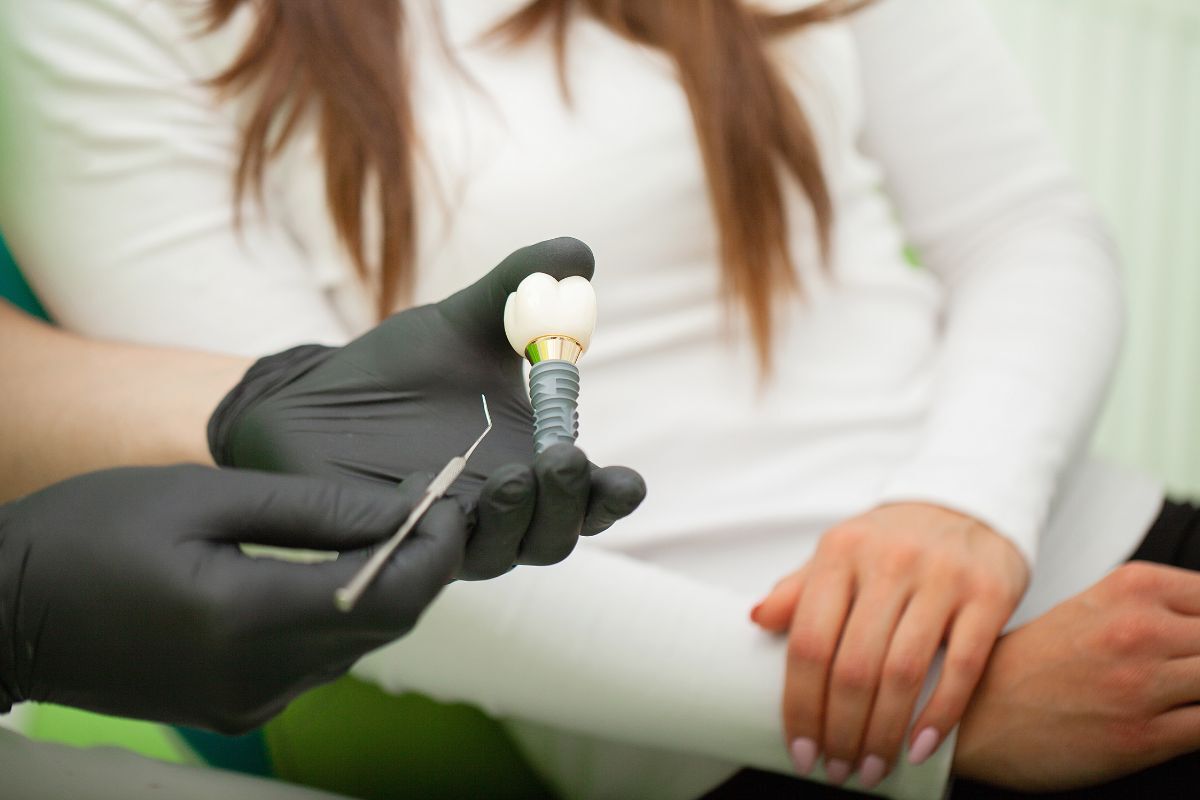
A complete implant restoration typically includes three parts:
- Implant post placed inside the jawbone
- Abutment that connects the implant to the restoration
- Implant-supported crown or other restoration that replaces the visible tooth
The implant post is usually made of titanium, a material chosen because it is biocompatible and can bond with the jawbone through a natural process called osseointegration.
When this healing process is successful and patients maintain excellent oral health, the implant post can remain functional for decades. However, the restoration attached to it is subject to everyday wear from chewing and may eventually require repair or replacement.
How Long Do Dental Implants Last?
Studies and long-term clinical experience show that implant posts can remain successful for many years when placed correctly and maintained properly.
Many patients searching ‘how long do dental implants last’ are surprised to learn that there is no fixed expiration date. Their longevity depends on several clinical and lifestyle factors rather than simply the passage of time.
The overall lifespan of implants is influenced by:
- Proper treatment planning
- Healthy bone volume before placement
- Successful osseointegration
- Consistent oral hygiene
- Regular professional examinations
- Avoiding tobacco products
- Managing conditions such as uncontrolled diabetes or advanced gum disease
While the implant post often lasts for decades, the crown may eventually need replacement because of normal wear, changes in the bite, or accidental damage. This does not usually mean the entire implant has failed.
Many patients choose a permanent tooth replacement because it not only restores their smile but also helps preserve bone, support facial features, and make eating more comfortable.
What Factors Affect Dental Implant Longevity?
Long-term success depends on the patient’s health, the quality of the supporting bone, precise treatment planning, and ongoing maintenance.
No two patients have the same circumstances. A thorough evaluation helps identify factors that may influence dental implant longevity before treatment begins.
Bone Quality and Healing
Healthy bone provides the stable foundation needed for the implant to integrate successfully. Patients with bone loss may still qualify for treatment after additional procedures designed to improve bone support.
Healthy Gums Matter
Strong healthy gums and stable periodontal health help protect the tissues surrounding the implant. Untreated gum disease increases the risk of inflammation around implants and may affect their long-term stability.
Daily Habits
Everyday habits can influence how durable an implant remains over time. These include:
- Brushing and flossing consistently
- Wearing a nightguard if you grind your teeth
- Attending routine dental checkups
- Limiting tobacco use
- Following professional recommendations for dental implant care
Patients who commit to long-term maintenance often enjoy predictable function and continued comfort for many years.
Can Dental Implants Last Forever?
There is no lifetime guarantee for any dental treatment, but implant posts often provide decades of reliable support when they are properly maintained and monitored over time.
Patients often ask ‘if tooth implants last forever’ because they want a solution that feels dependable. The implant becomes part of your jaw through osseointegration, creating a stable foundation that closely mimics the function of a natural tooth root. However, long-term success depends on protecting both the implant and the surrounding tissues.
The restoration attached to the implant experiences everyday biting forces. Over time, an implant crown or other prosthetic component may require adjustment or replacement due to normal wear, while the implant itself may continue functioning normally.
What Can Cause a Dental Implant to Fail Prematurely?
Most implant complications are linked to biological or lifestyle factors rather than the implant itself.
Although the dental implant success rate remains high, no treatment is completely free from risk. Identifying potential issues early helps preserve the restoration and surrounding tissues.
Possible factors include:
- Poor oral hygiene
- Untreated gum disease
- Smoking or tobacco use
- Inadequate bone support
- Excessive teeth grinding
- Certain uncontrolled medical conditions
- Delaying treatment for implant-related discomfort
Patients sometimes assume mild bleeding or soreness around an implant is normal. While temporary discomfort during the dental implant healing process is expected, persistent symptoms should always be evaluated promptly.
Seeking professional care early often prevents small concerns from becoming larger problems.
Who Is a Good Candidate for Dental Implant Treatment?
Most healthy adults with one or more missing teeth can be considered for implant treatment after a comprehensive evaluation.
Every patient has unique needs. Some people need a single tooth implant, while others benefit from multiple tooth implants, an implant-supported bridge, or implant-supported dentures, depending on the number of replacement teeth required.
Your dentist may evaluate:
- Overall medical history
- Bone volume and density
- Gum health
- Bite alignment
- Existing restorations
- Oral hygiene habits
Even patients who have experienced bone loss are not automatically excluded from treatment. Modern restorative techniques often make implant therapy possible after appropriate preparation.
Patients seeking dental implants in Silver Spring benefit from an individualized assessment that identifies the most appropriate restorative approach, rather than applying the same solution to everyone.
Why Replacing a Missing Tooth Should Not Be Delayed
Ignoring a missing tooth may seem manageable initially, but changes begin soon after tooth loss.
Without the stimulation provided by a natural tooth root or implant, the jawbone gradually loses volume. This process affects bone preservation, neighboring teeth, and overall bite stability.
Delaying replacement may contribute to:
- Additional bone loss
- Teeth shifting into empty spaces
- Reduced chewing efficiency
- Changes in bite function
- Increased wear on remaining teeth
- Greater restorative complexity later
Not every patient requires immediate treatment, but an evaluation helps determine the appropriate timeline based on individual circumstances.
At Maryland Dental Specialty Group, every recommendation is based on clinical findings, long-term oral health, and the patient’s goals.
Thinking About Tooth Replacement? Book an Appointment to Learn Your Options
Choosing a long-lasting restoration starts with understanding your individual oral health rather than relying on general information found online. Every smile is different, and factors such as bone quality, gum health, and bite alignment all influence treatment recommendations.
If you have questions about implant treatment or replacing missing teeth, book an appointment with the team at Maryland Dental Specialty Group. A comprehensive examination can determine whether implant therapy is appropriate and explain every step of the process before treatment begins.
Restore Your Smile With Confidence
Understanding whether implants are permanent begins with knowing that long-term success depends on careful planning, healthy supporting tissues, and consistent maintenance. While no restoration lasts forever without care, implants remain one of the most predictable options available for replacing missing teeth and preserving natural oral function.
Whether you live in Silver Spring, Bethesda, Chevy Chase, Kensington, or nearby communities, learning about your options is the first step toward making an informed decision. If you are considering dental implants, visit our dental office in Silver Spring to receive a comprehensive evaluation and personalized guidance for restoring your smile.
Frequently Asked Questions
1. Are dental implants stronger than natural teeth?
The implant itself is made from durable materials designed to withstand everyday chewing forces. The surrounding bone and gums still require proper care. Regular examinations help ensure the restoration continues functioning properly and allow any concerns to be addressed before they become more complex.
2. How do I know if I have enough bone for an implant?
A clinical examination and advanced imaging allow your dentist to evaluate bone volume and quality. Even when bone loss is present, additional procedures may create a stable foundation for treatment. A consultation helps determine which options are appropriate for your individual situation.
3. Will I need special products to clean my implant?
Most patients can care for an implant with a soft toothbrush, floss, or implant-specific cleaning aids along with routine professional cleanings. Your dental team may recommend additional hygiene tools based on your restoration and oral health to help protect the surrounding tissues.
4. Is implant treatment painful?
The procedure is performed with appropriate anesthesia to keep patients comfortable. Mild soreness during healing is common and usually improves over several days. Your dentist will explain what to expect throughout recovery and provide instructions that support comfortable healing.
5. What should I do if my implant feels loose?
A loose feeling may involve the crown, the connecting abutment, or the implant itself. It should never be ignored. Prompt evaluation allows the underlying cause to be identified and treated before additional complications develop, helping protect the long-term success of your restoration.