13975 Connecticut Ave., #208 Silver Spring, MD 20906

Protecting Your Natural Smile: The Science of Tooth Retention and Restorative Care

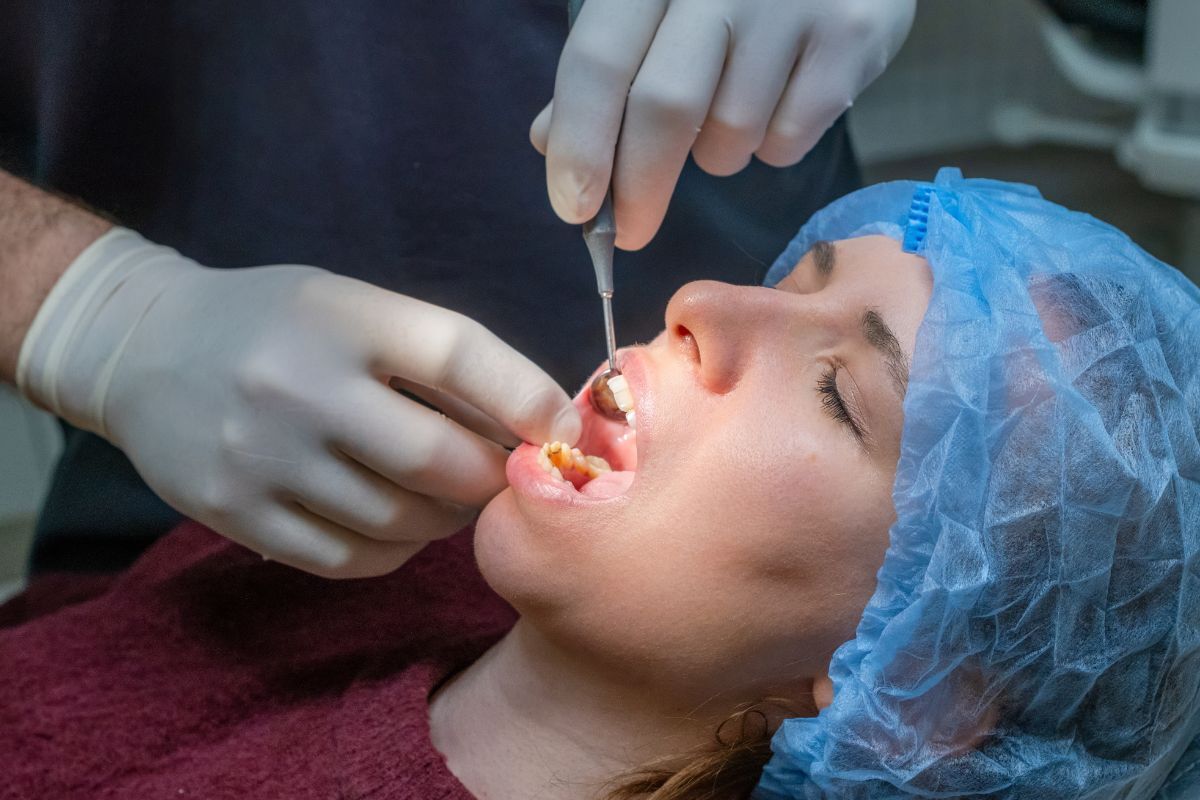
A healthy natural tooth is structurally superior to any artificial replacement. While modern dental prosthetics have advanced dramatically, maintaining your original tooth structure remains the primary clinical objective of modern dentistry. Preserving your natural tooth root maintains jawbone density, supports surrounding facial architecture, and preserves the natural biomechanics of your bite.
At Maryland Dental Specialty Group, our clinicians, including Dr. Jamaad Abdi and Dr. Nathanael Dejene, specialize in advanced clinical techniques designed to extend the lifespan of compromised teeth. Whether you are dealing with deep structural decay, cracked enamel, or advanced wear, seeking care from a skilled restorative dentist in Silver Spring ensures that your treatment plan prioritizes long-term tooth preservation using conservative, evidence-based methods.
If you are experiencing dental discomfort or notice signs of wear, we invite you to visit our dental office for a comprehensive clinical assessment.
Understanding the Importance of Saving Natural Teeth With Restorative Dentistry
Restorative dentistry is a specialized branch of dental medicine focused on repairing, rebuilding, and preserving natural tooth structure damaged by decay, trauma, or wear. Its primary clinical objective is to restore full masticatory function and structural stability while keeping the biological tooth root alive and firmly anchored in the jawbone.
When a natural tooth is compromised, the body cannot regenerate enamel or dentin on its own. Left untreated, minor structural damage rapidly progresses into deep pulpal infections or catastrophic fractures. Restorative care intervenes before complete structural failure occurs, utilizing biomimetic materials, such as composite resins, ceramics, and zirconia. These materials match the mechanical properties of original enamel.
According to data from the Centers for Disease Control and Prevention (CDC), untreated tooth decay affects nearly 16% of working-age adults and older individuals, frequently leading to avoidable tooth loss when early intervention is skipped.
Preserving the natural tooth root is vital because the periodontal ligament, the microscopic fibrous tissue surrounding the root, provides critical sensory feedback to the brain regarding bite pressure. Once a natural tooth is extracted, this biofeedback mechanism is lost, and the underlying alveolar bone begins a process of irreversible resorption (bone loss).
| Clinical Factor | Natural Tooth Preservation | Complete Tooth Extraction & Replacement |
| Jawbone Density Maintenance | 100% Preserved via natural root stimulation | Variable (requires implants or artificial bone stimulation) |
| Bite Pressure Sensitivity | Intact (periodontal ligament retains full proprioception) | Reduced (sensory nerves removed with root) |
| Adjacent Tooth Stability | High (prevents neighboring teeth from drifting) | Requires immediate space maintenance |
| Microbial Barrier | Maintained by natural sulcular tissue attachment | Reconstructed via artificial tissue seals |
Core Restorative Procedures That Extend Tooth Longevity
Modern restorative dentistry relies on a layered defense strategy. Depending on how serious structural damage extends, specific treatments are applied to protect the tooth pulp and reinforce remaining enamel.
Biomimetic Dental Crowns and Onlays
When a tooth loses more than 50% of its clinical crown structural volume due to fracture or extensive decay, a standard filling is no longer mechanically sufficient.
- Inlays and Onlays: Known as partial crowns, these lab-crafted restorations fit into or over the cusps of a damaged tooth. They preserve healthy, natural enamel while replacing only the compromised zones.
- Full-Coverage Crowns: A custom-engineered ceramic or porcelain cap that encases the entire visible portion of the tooth. By encircling the structural base of the tooth (known clinically as the ferrule effect), a crown prevents vertical root fractures under heavy chewing forces.
Endodontic Intervention (Root Canal Therapy)
When decay breaches the outer protective dentin layer and infects the inner dental pulp, the tooth suffers severe inflammation. Rather than extracting the tooth, endodontic therapy cleanses the infected root canal system, sterilizes the internal chamber, and seals it with a biocompatible material called gutta-percha. A trusted restorative dentist in Silver Spring can perform endodontic therapy to eliminate internal bacterial contamination while preserving the physical root structure inside your jawbone.
High-Bond Composite Resin Fillings
For minor-to-moderate decay, composite resin restorations bond directly to the microscopic enamel tubules. Unlike legacy silver amalgam fillings, modern composite resins enable minimally invasive dentistry. They preserve more healthy enamel by avoiding removal of tooth structure.
Local Factors Affecting Oral Health
Maintaining long-term tooth retention requires an understanding of how lifestyle, diet, and regional environmental factors interact with oral health.
When enjoying the regional culinary landscape, from soft-shell crab along the Chesapeake coast to local favorites at downtown dining spots along Georgia Avenue, maintaining balanced bite forces is critical. Biting directly into hard crusts, unpopped kernels, or dense artisan breads can place hundreds of pounds of pressure per square inch on compromised teeth, increasing the risk of micro-fractures in teeth with unmanaged decay.
Additionally, local climate patterns play a role in oral health. Silver Spring experiences cold, dry winter air alongside seasonal pollen spikes in spring and autumn, which often trigger chronic mouth breathing and sinus congestion. Mouth breathing drastically reduces salivary flow, causing a condition known as xerostomia (dry mouth).
Because saliva contains essential minerals like calcium and phosphate that naturally remineralize enamel, chronic dry mouth accelerates acid-producing bacterial growth. Partnering with an experienced restorative dentist in Silver Spring helps offset these environmental stress factors through custom fluoride treatments, salivary support protocols, and preventative bite guards.
Preventative Restorative Protocols: Protecting Your Investment
Restorative treatments are most effective when paired with structured maintenance. To ensure your custom crowns, onlays, and composite restorations last for decades, incorporate these clinical practices:
- Occlusal Guard Therapy: If you clench or grind your teeth at night (bruxism), an occlusal guard distributes bite forces evenly across the dental arch, protecting ceramic restorations from chipping.
- Targeted Interdental Cleaning: Restorations require meticulous plaque control along the margin where the crown meets the natural tooth. Use water flossers or specialized interdental brushes to keep gum tissues healthy.
- pH Balance Management: Limit frequent sipping on acidic beverages (such as coffee, sports drinks, or citrus teas), which lowers oral pH and weakens the adhesive bonds of dental restorations.
Schedule Your Personalized Clinical Evaluation
Preserving your natural teeth is a lifetime investment in your overall health, nutritional capacity, and confidence. Early clinical intervention is the single most effective way to prevent minor dental decay from escalating into complex oral health problems.
If you are dealing with dental discomfort, worn enamel, or older restorations that need updating, our professional team is here to help. We encourage you to contact Maryland Dental Specialty Group today to book an appointment for a comprehensive diagnostic assessment and personalized treatment plan tailored to your anatomical needs.
Frequently Asked Questions
What is the primary goal of restorative dentistry?
Restorative dentistry aims to repair damaged or decayed teeth, restoring full masticatory function while preserving as much natural tooth structure and bone density as biologically possible.
How does a dental crown protect a weakened natural tooth?
A dental crown encases the entire visible tooth structure, distributing bite forces evenly and preventing vertical root fractures caused by heavy chewing pressure.
Can a severely decayed tooth always be saved with restorative care?
Most decayed teeth can be saved if the root canal system and surrounding bone remain healthy, provided sufficient sound enamel exists to support a crown.
How long do modern composite fillings and ceramic crowns last?
High-grade ceramic crowns and composite restorations typically last 10 to 15 years or longer when supported by excellent oral hygiene and routine examinations.
Why is saving a natural root better than getting an extraction?
Preserving the natural tooth root maintains the periodontal ligament, preserving sensory bite feedback and preventing jawbone resorption that occurs following tooth extraction.
Does getting a restorative dental procedure hurt?
Modern restorative treatments use advanced local anesthetics and gentle clinical techniques, ensuring patients remain comfortable and pain-free throughout their procedure.
How do I know if I need a restorative dental evaluation?
You should seek an evaluation if you experience persistent tooth sensitivity, pain when chewing, visible dark spots, chipped enamel, or loose existing fillings.