13975 Connecticut Ave., #208 Silver Spring, MD 20906

How Our Restorative Dentist Repairs Damaged Teeth and Restores Oral Health


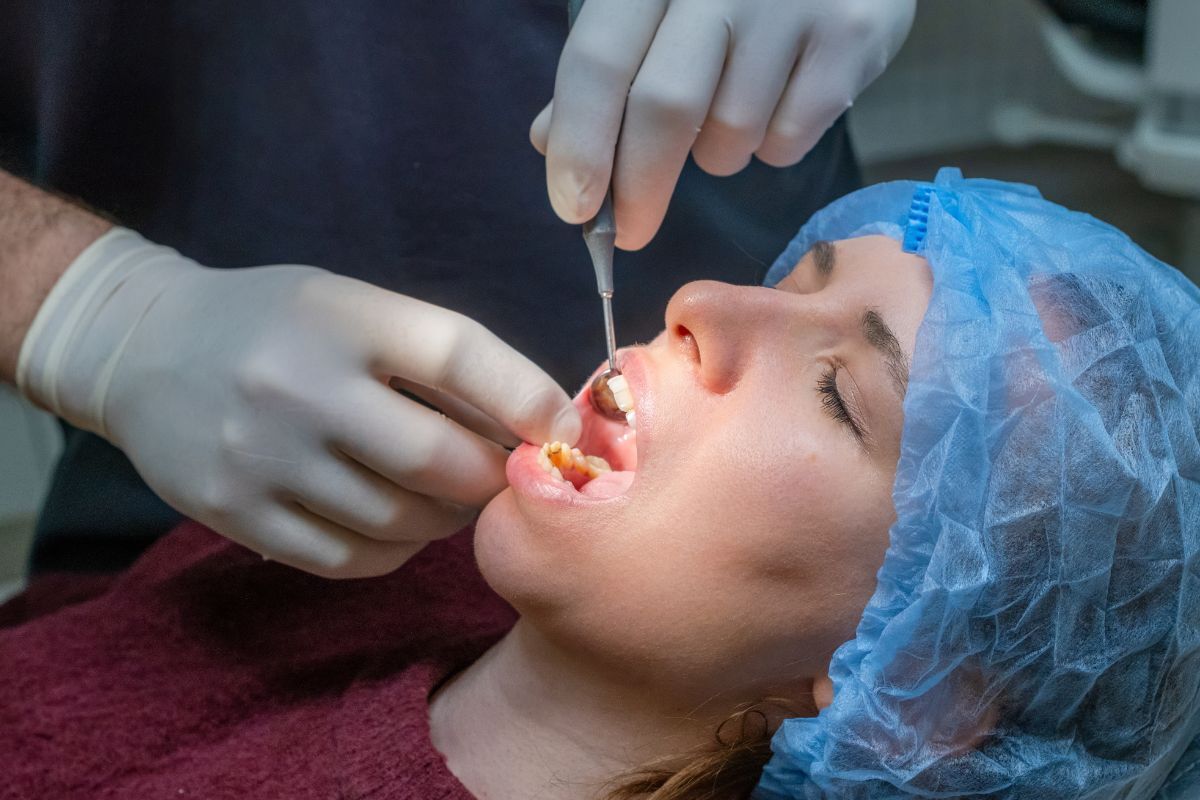
A restorative dentist in Silver Spring can help repair damaged teeth, replace missing teeth, and restore comfortable oral function. A damaged tooth is rarely just a cosmetic concern. Even a small crack, untreated cavity, or missing tooth can gradually affect how you chew, speak, and maintain your overall oral health.
Many people assume they can wait until discomfort becomes severe, but dental problems can become more complicated when they are ignored. Early evaluation can help identify the cause of the problem and determine which treatment may be appropriate.
Restorative dentistry focuses on repairing damaged teeth and replacing missing ones while preserving as much healthy tooth structure as possible. Whether you are dealing with a fractured tooth, an infection, or tooth loss, modern restorative treatments can help rebuild function and support your long-term oral health.
At Maryland Dental Specialty Group, our restorative team helps patients address a wide range of dental concerns. Understanding how these restorations work, when treatment may be necessary, and why timely care matters can help you make informed decisions about your oral health.
What Does a Restorative Dentist in Silver Spring Do?
Restorative dental professionals repair teeth that have been damaged by decay, injury, infection, or tooth loss. The primary goal is to restore proper function, comfort, and oral health while preserving as much natural tooth structure as possible.
Restorative dentistry covers a broad range of treatments. A dental provider evaluates the condition of your teeth, gums, bite, and existing restorations to determine how best to repair or replace affected areas.
Treatment may help you:
- Chew more comfortably
- Speak more clearly
- Maintain a stable bite
- Prevent additional damage
- Preserve healthy natural teeth whenever possible
The goal is not simply to repair a problem today, but to help support the health and function of your mouth over time.
Why Do Teeth Become Damaged in the First Place?
Dental damage can develop gradually or occur suddenly. Identifying the underlying cause can help reduce the risk of similar problems in the future.
Tooth Decay
Cavities are a common cause of tooth damage. When decay progresses, it can weaken the tooth and may eventually affect deeper structures.
According to the Centers for Disease Control and Prevention, tooth decay remains one of the most common oral health conditions.
Teeth Grinding
Clenching or grinding your teeth can place repeated pressure on the enamel. Over time, this may contribute to wear, cracks, or fractures.
Dental Trauma
Sports injuries, falls, accidents, and other forms of trauma can result in chipped, cracked, or broken teeth that may require restorative treatment.
Gum Disease
Advanced gum disease can affect the tissues and bone that support the teeth. When these structures become compromised, the risk of tooth mobility and tooth loss can increase.
Aging Dental Work
Fillings, crowns, and bridges can wear down over time. Older restorations may eventually need repair or replacement.
When Should You Seek Professional Care?
If you notice pain, damage, or a change in how your teeth function, it is worth scheduling an evaluation. Early treatment can sometimes prevent a smaller problem from developing into a more complex one.
Warning signs can include:
- Persistent tooth pain
- Sensitivity
- Cracked or broken teeth
- Missing teeth
- Difficulty chewing
- Loose dental work
- Swollen or irritated gums
- Changes in your bite
Even when discomfort seems manageable, the underlying problem may continue to progress without treatment.
How Can Restorative Dentistry Repair Damaged Teeth?
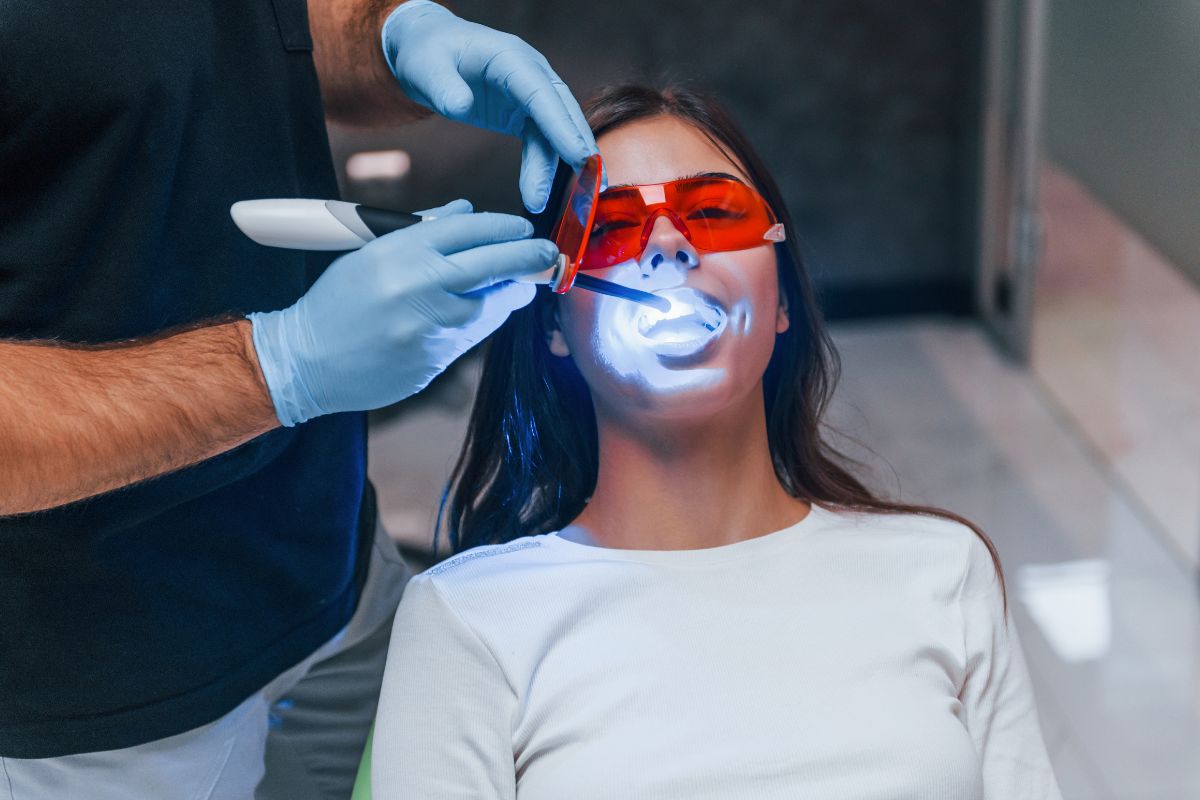
Treatment depends on the type and severity of the dental problem. Your provider will first evaluate the affected tooth and surrounding structures before recommending a suitable approach.
When you see a restorative dentist in Silver Spring, the goal is to find a treatment that restores function while protecting as much healthy tooth structure as possible.
Tooth-Colored Fillings
Dental fillings can repair teeth affected by cavities and certain areas of minor structural damage.
Treatment typically involves removing the decayed portion of the tooth and filling the space with an appropriate material. Restoring the tooth can help prevent the decay from progressing and allow normal chewing function.
Dental Crowns
A dental crown covers and protects a weakened or significantly damaged tooth.
Crowns may be recommended for teeth affected by:
- Large cavities
- Cracks or fractures
- Significant structural loss
- Weakness following root canal treatment
A crown can help protect the remaining tooth structure while restoring its shape and function.
Root Canal Therapy
When infection or inflammation reaches the inside of a tooth, root canal therapy may be recommended.
During treatment, infected or damaged tissue inside the tooth is removed, the area is cleaned, and the space is sealed. The goal is to address the infection while preserving the natural tooth when possible.
How Are Missing Teeth Replaced?
Replacing missing teeth can help restore chewing ability and support a stable bite. Tooth loss can affect more than appearance, particularly when surrounding teeth begin to shift or the way your teeth meet changes.
The most appropriate replacement depends on how many teeth are missing, the condition of the remaining teeth, your gum health, and other factors.
Dental Bridges
Dental bridges can replace one or more missing teeth using support from surrounding teeth or other structures.
A bridge may help:
- Restore chewing function
- Improve the appearance of a missing-tooth area
- Prevent unwanted movement of neighboring teeth
Dental Implants
Dental implants are designed to replace missing tooth roots and provide support for replacement teeth.
Implant treatment may offer a stable foundation for restoring missing teeth. Whether implants are appropriate depends on factors such as your bone levels, gum health, remaining teeth, and overall treatment goals.
Dentures
Dentures can replace several missing teeth or an entire arch. Depending on your needs, they may be removable and can help restore eating ability, speech, and everyday oral function.
What Happens If Damaged Teeth Are Left Untreated?
Dental problems do not always remain isolated. A damaged or weakened tooth may eventually affect surrounding structures and the way your mouth functions.
Possible consequences can include:
- Infection
- Tooth loss
- Bone changes
- Difficulty chewing
- Bite changes
- Additional damage to nearby teeth
This is why prompt evaluation can be important, even when symptoms are mild.
How Does Restorative Dental Care Support Daily Life?
Healthy teeth contribute to everyday activities such as eating, speaking, and smiling comfortably. When damaged or missing teeth interfere with these activities, restorative treatment can help restore function and improve comfort.
Treatment is not only about appearance. Rebuilding damaged teeth and replacing missing ones can help support a more functional bite and make everyday activities easier.
Why Choose Professional Restorative Care?
A successful restoration involves more than repairing the visible problem. Your provider also needs to understand the condition of the surrounding teeth, gums, bite, and existing dental work.
A restorative dental evaluation may consider:
- Tooth structure
- Gum health
- Bite alignment
- Existing restorations
- Overall oral health
- Future treatment needs
This broader approach can help guide a treatment plan designed around your individual needs.
Restore Your Oral Health Before Small Problems Become Bigger Ones
A damaged tooth can result from decay, injury, infection, grinding, or years of wear. Whatever the cause, timely evaluation can help identify the problem and determine whether restorative treatment may protect the tooth or replace what has been lost.
At Maryland Dental Specialty Group, our team takes a personalized approach to restorative care. If you are experiencing tooth damage, missing teeth, discomfort, or concerns about existing dental work, you can contact our dental team to schedule an evaluation.
Understanding your options early can help you make decisions that support the health, function, and stability of your smile.
Frequently Asked Questions
What is restorative dentistry?
Restorative dentistry focuses on repairing damaged teeth and replacing missing teeth. Treatment is designed to restore function, comfort, and oral health.
Can a damaged tooth always be saved?
Not every damaged tooth can be preserved, but many can. Early evaluation may increase the chances of treating a tooth before more extensive damage occurs.
How do I know if I need restorative treatment?
Pain, sensitivity, cracks, broken teeth, missing teeth, or difficulty chewing can all be reasons to schedule an evaluation. Your dental provider can determine the appropriate treatment after examining your mouth.
Are dental crowns considered restorative dentistry?
Yes. Crowns can restore the shape, strength, and function of weakened or damaged teeth while helping protect the remaining tooth structure.
Is a root canal better than removing a tooth?
When a tooth can be predictably restored, preserving the natural tooth is often considered a valuable option. Root canal treatment can allow many infected teeth to remain functional.
Why should missing teeth be replaced?
Missing teeth can affect chewing, speech, bite stability, and surrounding teeth. Replacing them can help restore function and support overall oral health.
How long do restorative dental treatments last?
The lifespan of a restoration depends on the type of treatment, oral hygiene, bite forces, daily habits, and regular dental care. Routine checkups can help identify problems early and maintain existing restorations.