13975 Connecticut Ave., #208 Silver Spring, MD 20906

What To Do After Oral Surgery: Recovery and Self-Care

Oral procedures are often necessary to restore health, comfort, or function. Recovery is a key part of the process, whether for wisdom teeth removal, implant placement, or jaw repair. Knowing how healing works and how to care for yourself at home can make your recovery smoother and more comfortable.
If you are preparing for treatment, choosing an experienced oral surgeon in Silver Spring, MD, ensures quality care and clear guidance throughout recovery. Understanding the recovery timeline and following clear self-care instructions helps you return to your regular routine more quickly.
What Is Oral Surgery?
Oral surgery includes many treatments involving the teeth, gums, jaw, and supporting structures. Common procedures include:
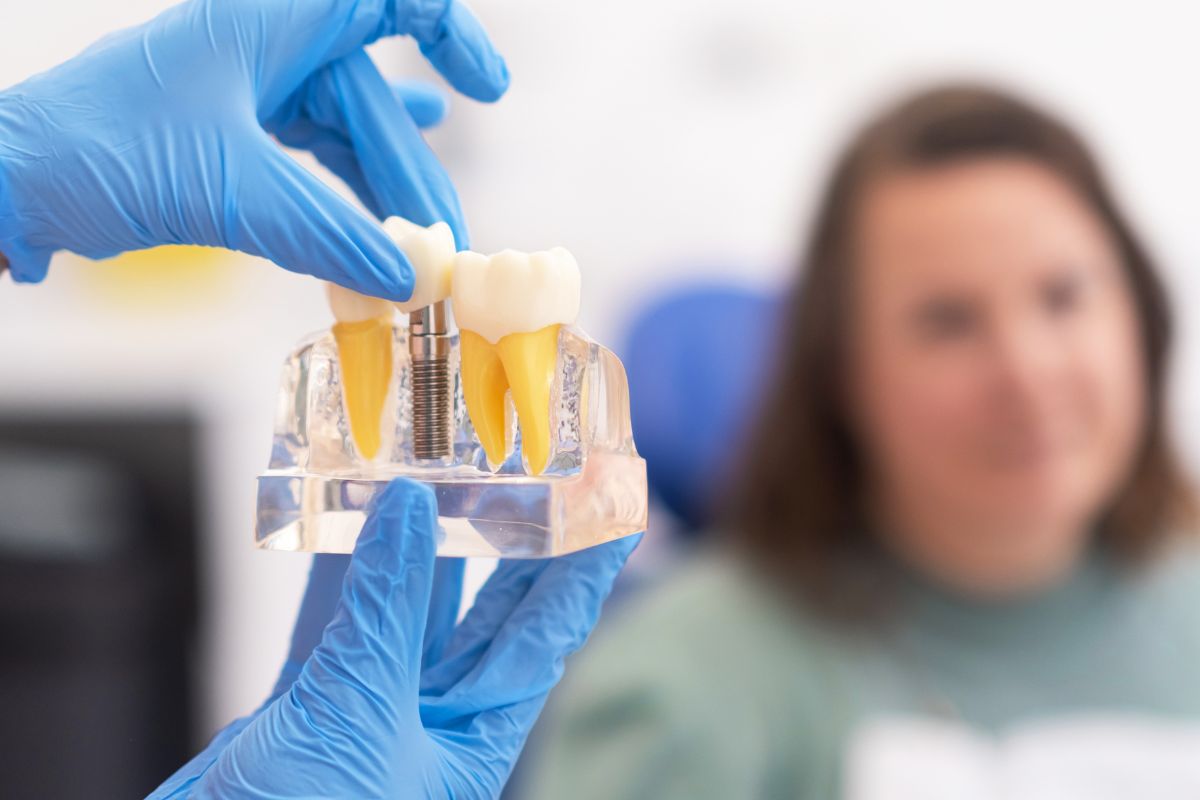
- Dental implants – Replacing missing teeth with permanent, secure restorations.
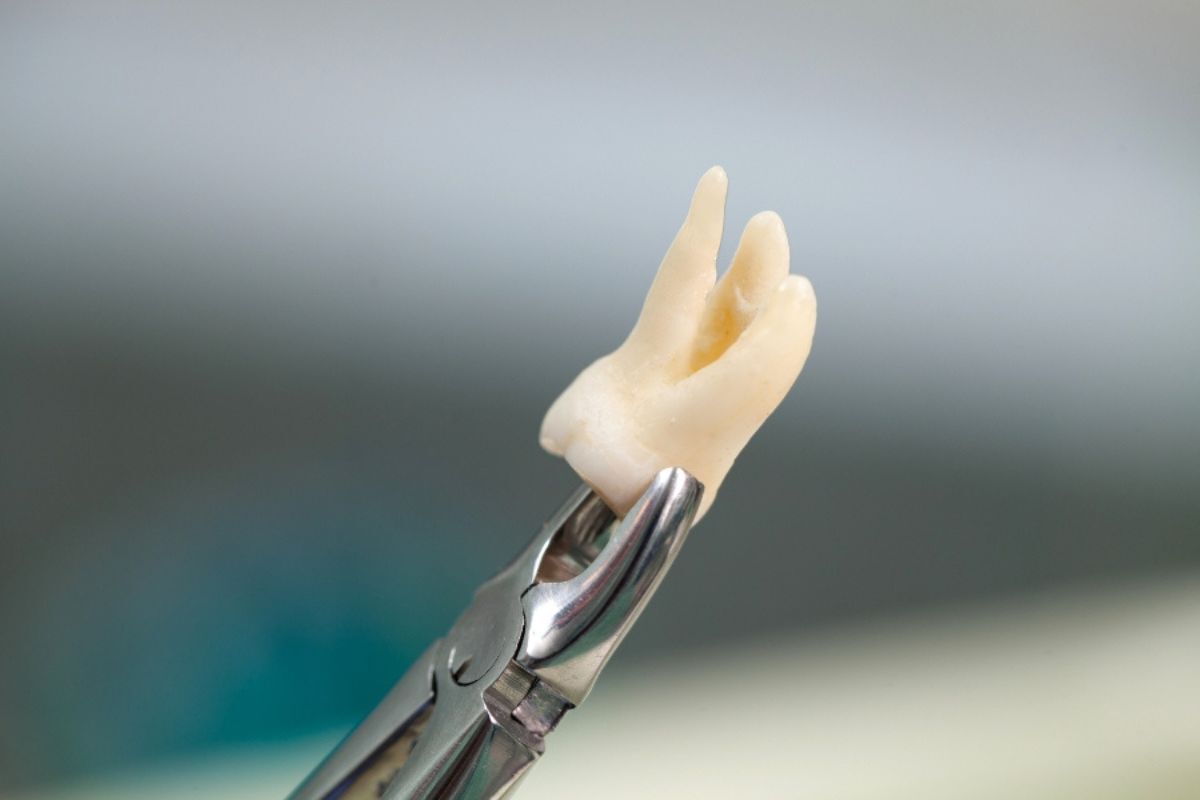
- Tooth extraction – Removing teeth that are damaged or infected.
- Wisdom teeth removal – Addressing impacted or problematic third molars.
- Jaw surgery – Correcting bite, alignment, or structural issues.
- Bone grafts – Adding bone support for implants or preventing bone loss.
- Implant-supported dentures – Offering more stability for dentures with implant posts.
Each procedure is different but requires careful aftercare to ensure successful healing.
Recovery Stages After Oral Surgery
Healing doesn’t happen instantly. Most patients move through several phases of recovery:
- First 24 Hours – Some bleeding and swelling are normal. Rest with your head elevated and follow instructions for gauze use.
- Day 2 to 3 – Swelling often reaches its peak, and mild to moderate discomfort may be present. Ice packs and prescribed medications help manage these symptoms.
- First Week: Swelling usually starts to improve, and soft foods are easier to eat. At this point, stitches may dissolve or be removed.
- Two Weeks and Beyond – Most patients feel much better, though full healing, especially after implants or grafts, can take several months.
Knowing this timeline helps set expectations and makes recognizing when something is not healing easier.
Self-Care Tips for Recovery
Following your dentist’s instructions at home is the best way to avoid complications. Key self-care tips include:
- Rest – Limit activities for a few days after surgery to allow your body to heal.
- Control Swelling – Apply ice packs in 15-minute intervals during the first two days.
- Eat Soft Foods – Choose foods like yogurt, oatmeal, or smoothies until chewing is comfortable. Avoid crunchy or spicy foods.
- Stay Hydrated – Drink plenty of water, but do not use straws as suction can disturb healing.
- Oral Hygiene – Brush gently around the surgical area and rinse with warm saltwater if recommended.
- Follow Prescriptions – Take pain medication or antibiotics exactly as directed.
- Avoid Smoking and Alcohol – Both slow down healing and raise the risk of infection.
These steps help protect the surgical site, ease discomfort, and promote healing.
When to Call Your Dentist?
It’s normal to experience mild pain and swelling, but some symptoms require immediate attention:
- Severe or increasing pain not relieved by medication
- Excessive or prolonged bleeding
- Swelling that worsens after several days.
- Fever or other signs of infection
- Trouble breathing or swallowing
Prompt care keeps complications from becoming more serious.
Expert Support Every Step of the Way
Successful healing after oral surgery depends on good self-care, patience, and professional support. By following recovery stages and practicing careful home care, you can minimize discomfort and protect your oral health.
At Maryland Dental Specialty Group, our team guides you every step of the way. Schedule a consultation with an experienced oral surgeon in Silver Spring and get the care you need to heal confidently. Visit our dental office today to learn more or to begin your recovery journey.