13975 Connecticut Ave., #208 Silver Spring, MD 20906

How Do Dental Implants Enhance Chewing And Speaking Abilities Compared To Natural Teeth?

Have you ever wondered how losing teeth could impact the way you eat and speak? Missing teeth do much more than change your smile. They alter how you chew food, affect your bite balance, and even shift how you pronounce words. Over time, this can lower confidence and make everyday life less comfortable. Dental implants have become one of the most trusted solutions for restoring these abilities, providing function and stability that often surpass what traditional replacements offer.
What Are Dental Implants?
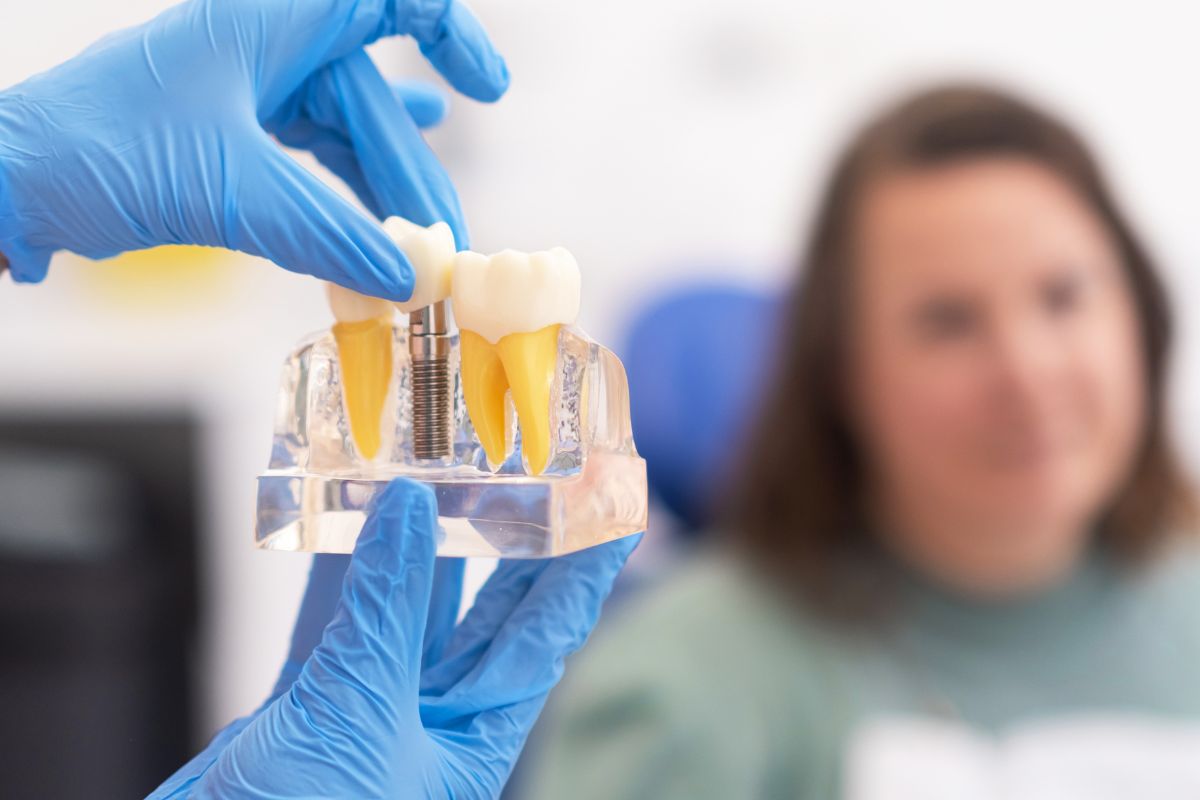
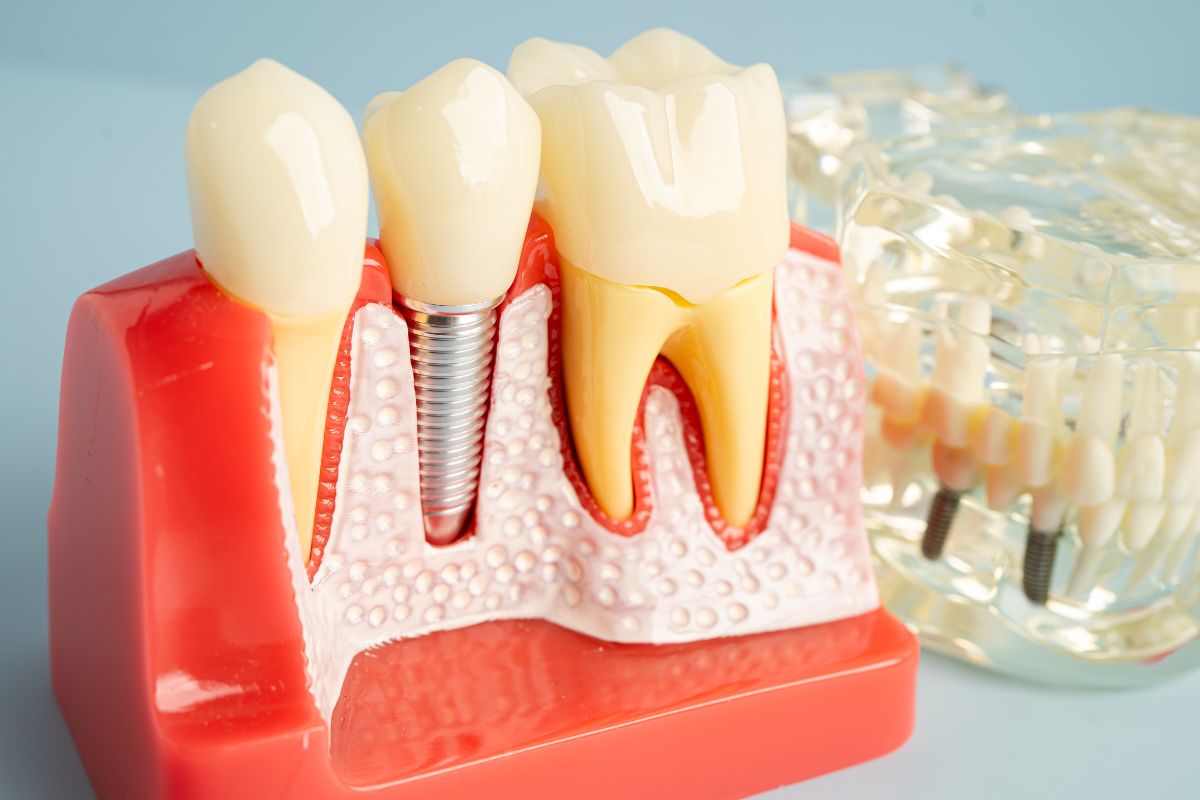
Dental implants are artificial tooth roots made of titanium or other biocompatible materials. They are surgically placed into the jawbone and fuse through a natural osseointegration process. Once healed, the implant supports a crown, bridge, or denture, depending on the number of missing teeth.
There are different types of implants:
- Single-tooth implants for one missing tooth
- Implant-supported bridges for several missing teeth in a row
- Full-arch implants for patients missing an entire upper or lower arch
Each type is designed to provide stability and mimic the look and function of natural teeth. Patients exploring dental implants in Silver Spring can discuss these options with their provider to decide which treatment suits their needs.
Benefits and When to Consider Implants
The decision to replace missing teeth is not only about looks—it’s about overall health. Gaps in your smile can lead to bone loss, shifting of nearby teeth, and difficulty chewing. Implants solve these issues by acting as artificial roots that stimulate the jawbone and maintain its strength.
Some key benefits include:
- Long-term durability with proper care
- A natural appearance that blends with real teeth
- Stability during chewing and speaking
- Prevention of bone loss and facial sagging
You may consider permanent titanium tooth roots if you have lost teeth due to trauma, decay, or gum disease. They are also ideal if you struggle with dentures that slip, shift, or feel uncomfortable during meals or conversations.
How Dental Implants Improve Chewing Abilities?
One of the most common complaints from people with missing teeth or dentures is difficulty eating. Foods like apples, nuts, and steak often become off-limits due to discomfort or weak bite pressure.
Dental implants solve this problem by acting like natural tooth roots anchored into the bone. Their stability allows you to bite and chew with strength and confidence. Unlike removable dentures, titanium tooth roots do not shift, click, or cause sore spots while eating.
Better chewing means better digestion, too. Properly breaking down food allows nutrients to be absorbed more effectively, supporting overall health. Patients often report enjoying a wider variety of foods again, from crunchy vegetables to chewy proteins, without worrying about pain or instability.
How Do Implants Enhance Speech Compared To Natural Teeth?
Teeth play a big role in how we form sounds. Missing teeth, especially in the front, can change airflow and tongue placement, leading to slurred or unclear speech. Loose dentures can also make it difficult to pronounce words, causing frustration and embarrassment.
Dental implants restore natural spacing and stability. They do not shift while speaking since they are fixed in the bone. The crowns are shaped to match real teeth, allowing the tongue to rest and move naturally. This helps restore clarity in speech, especially for words that rely on teeth contact, such as “s,” “f,” or “th.”
Beyond pronunciation, permanent tooth roots restore confidence in social settings. Being able to speak, laugh, and interact without worry makes daily communication smoother and more enjoyable.
Alternatives to Dental Implants
While implants are one of the most effective tooth replacement solutions, alternatives exist:
- Dental bridges: Replace one or more missing teeth but rely on surrounding teeth for support. This may weaken healthy teeth over time.
- Traditional dentures: Affordable and removable, but often unstable, leading to challenges in chewing and speaking.
- Partial dentures: A mix between removable dentures and bridges, but still less stable than permanent tooth restorations.
These alternatives may work for some patients but rarely offer the same chewing efficiency, speech clarity, or long-term stability as dental posts.
Why Implants Are a Reliable Long-Term Option?
They are designed to last decades with good oral care. Daily brushing, flossing, and regular dental visits are usually enough to keep them healthy. Unlike bridges, they do not rely on nearby teeth, and unlike dentures, they prevent bone loss by stimulating the jaw.
The American Dental Association states that titanium posts have one of the highest success rates among tooth replacement options, with proper care and placement (ADA Resource). This makes them a reliable choice for long-term function and health.
Restoring Confidence with Dental Implants
Chewing and speaking are two of the most important daily functions we often take for granted, until tooth loss makes them difficult. Dental posts restore a level of stability and comfort unmatched by other solutions.
If you are considering dental implants in Silver Spring, the trusted team at Maryland Dental Specialty Group is here to help. Regain the ability to eat the foods you love and speak confidently again. To take the next step, visit our dental office and book an appointment today. A stronger, healthier smile is waiting for you.