13975 Connecticut Ave., #208 Silver Spring, MD 20906

Brighten Your Smile: 6 Things Silver Spring Locals Don’t Know About Teeth Whitening

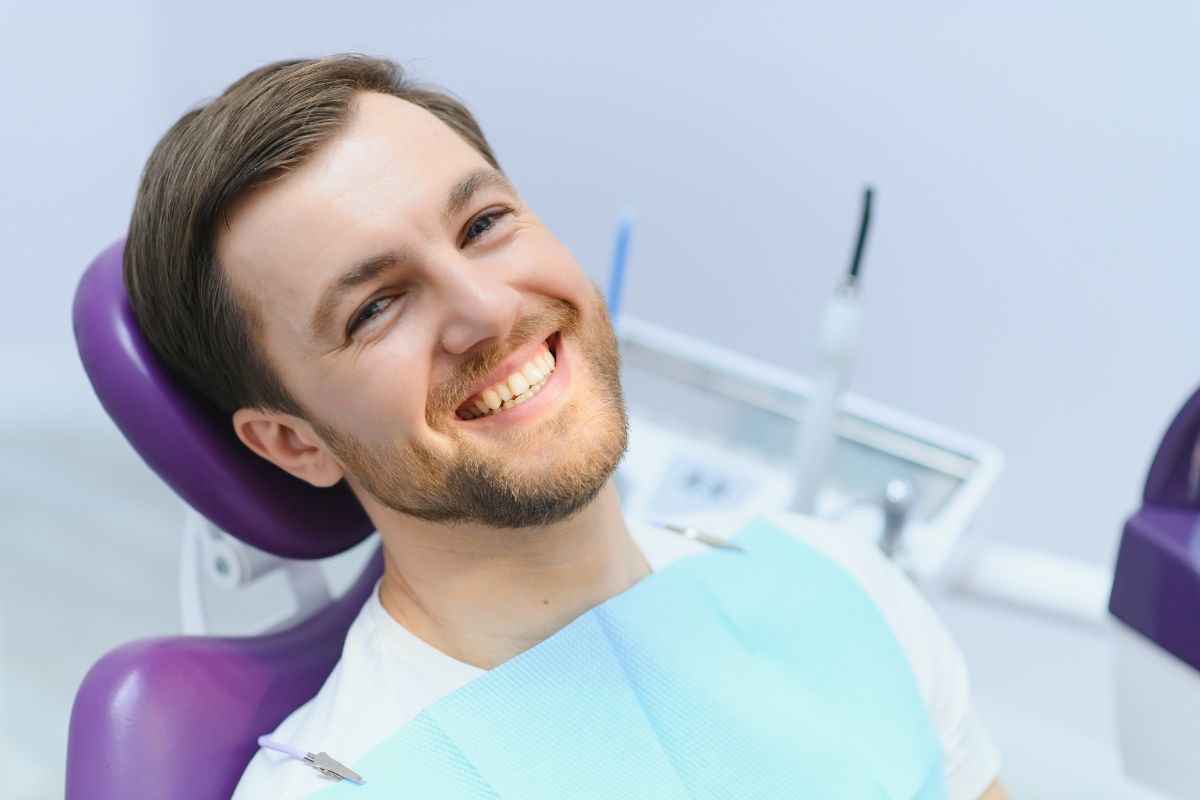
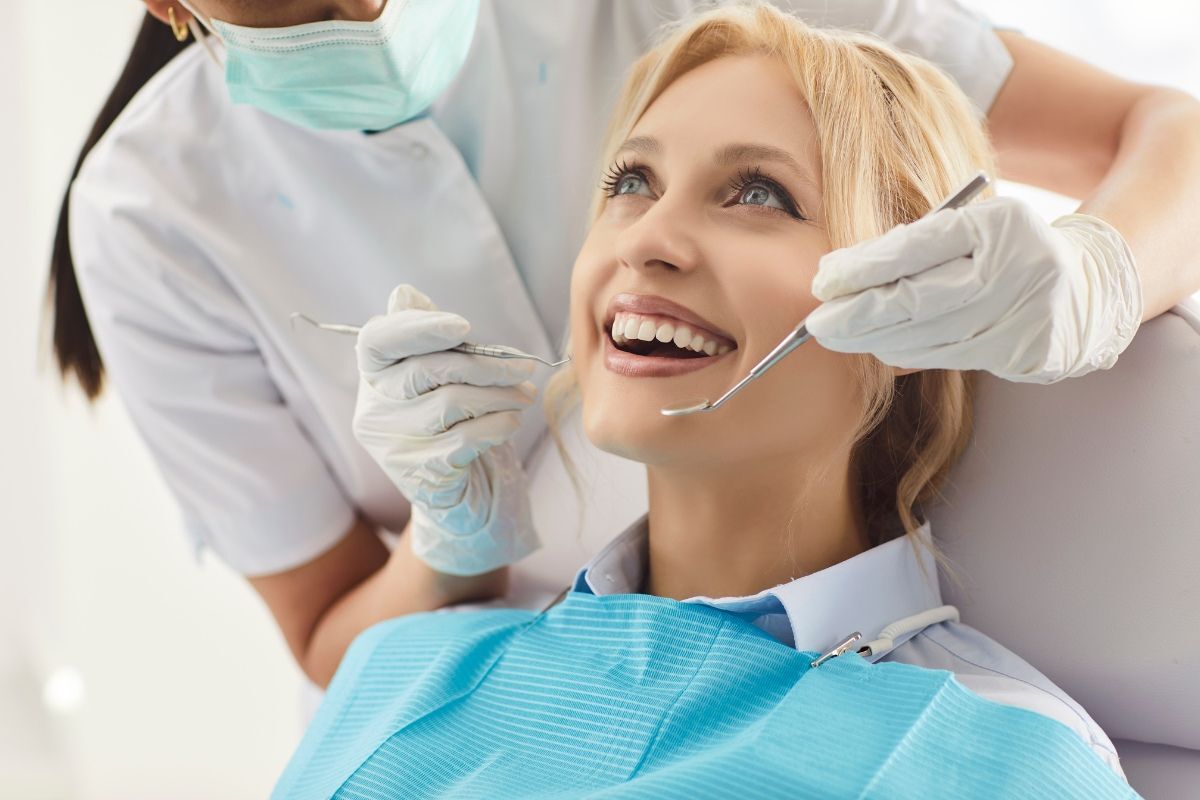
A radiant smile can transform your entire appearance. It is the first thing people notice and the one feature that leaves a lasting impression. Yet, most people do not understand what goes into achieving that healthy, luminous glow. From advanced whitening science to the everyday habits that affect your results, there is more to the process than store-bought strips suggest.
Before scheduling your next session, discover six surprising facts about professional smile-brightening treatments that reveal the secrets behind a brilliant, confident, and long-lasting smile.
1. Whitening Isn’t Purely Cosmetic
A whiter smile does more than improve appearance. Studies show that patients who undergo professional whitening procedures often experience increased motivation to maintain better oral hygiene habits. When your smile looks great, you are naturally inclined to brush, floss, and schedule regular preventive checkups.
Professional whitening can also enhance your overall facial aesthetics, bringing balance and symmetry to your smile.
2. Not All Stains Respond The Same Way
Discoloration can come from multiple sources, but not all respond equally to whitening.
- Extrinsic stains develop on the enamel from coffee, wine, or tobacco.
- Intrinsic stains occur within the tooth, often caused by medication, trauma, or genetics.
Store-bought products typically target surface stains. However, customized whitening systems designed by a specialist use professional-grade solutions to lift deeper discoloration safely and evenly. This approach for teeth whitening in Silver Spring ensures consistent, lasting results.
3. Your Enamel Doesn’t Actually ‘Turn White’
Here is a surprising fact: whitening agents don’t change the color of the enamel itself. Instead, they work by breaking down organic compounds and stain molecules, making your natural shade appear brighter.
Your results depend primarily on your tooth’s original hue. Consistent hygiene and professional touch-ups help preserve that radiance long-term.
4. Sensitivity Is Temporary – Not Permanent
It is common to experience mild sensitivity after whitening, especially if you already have exposed root surfaces or gum recession. However, the discomfort is usually short-lived. Using desensitizing toothpaste before and after treatment, avoiding acidic foods, and following the professional’s post-care instructions can minimize sensitivity.
Your clinician will also recommend fluoride gels or remineralizing products to strengthen enamel after treatment.
5. Professional Whitening Ensures Predictable Results
While at-home kits can be convenient, their results often vary. Professional procedures, performed under expert supervision, allow for controlled peroxide concentrations, customized trays, and protective measures for soft tissues.
If you want teeth whitening in Silver Spring, visit a licensed dentist who can assess your enamel, gum health, and stain type. This helps create a personalized plan based on your oral health. This approach reduces risks and ensures your smile looks evenly enhanced rather than patchy or overbleached.
How To Keep Your Smile Bright Long After Dental Bleaching?
So you have unveiled that radiant new smile. Now comes the part that really counts: keeping it that way. Whitening is not a one-and-done process but a lifestyle upgrade. Every choice you make afterward can help your glow last longer.
Here is how to protect your new shiny smile:
- Sip smart. Avoid stain culprits like coffee, red wine, and dark sodas, or use a straw when you can.
- Kick the smoke habit. Cigarettes and vaping are fast-track tickets to re-stained enamel.
- Rinse and refresh. A quick water rinse after meals keeps pigments from settling in.
- Touch up with intention. Occasional maintenance treatments and routine cleanings restore brilliance.
Bonus Insights Most People Don’t Know!
Think you know everything about whitening? These quick truths might surprise you:
- Hydrogen peroxide vs. carbamide peroxide: Both are proven brighteners but differ in potency and treatment time.
- LED and laser-assisted systems look high-tech and accelerate chemical reactions for faster, more even whitening.
- Your enamel cannot ‘get whiter’ indefinitely. Overdoing unregulated products can actually cause enamel erosion or sensitivity.
- Professional oversight matters. A skilled provider balances strength, safety, and precision to achieve the best possible outcome.
These details separate a temporary glow from a lasting transformation, because the science behind your smile is just as crucial as its shine.
Brighten Your Smile Safely With Lasting Brightness
Achieving a radiant smile is not about shortcuts but about science, safety, and consistency. A qualified provider can evaluate your needs and design a treatment plan, enhancing your natural shade while protecting your enamel. If you are ready to see the difference precision care can make, visit our dental office and explore a whitening experience designed around you. Because every confident smile begins with expert attention and informed choices.
Frequently Asked Questions (FAQs)
1. What are the teeth whitening options at the dentist?
Your clinician can offer in-office bleaching using higher-strength peroxide gels under supervision and professionally dispensed take-home kits with custom trays. These two paths deliver more consistent results than over-the-counter alternatives.
2. What is peroxide’s role in smile enhancement?
Peroxide (either hydrogen or carbamide variant) breaks down stain molecules within the enamel and dentin, producing a visibly lighter shade. When appropriately applied, it lifts discoloration without altering the tooth’s structure.
3. How long does professional whitening last?
Depending on your diet, habits, and hygiene, the brightness you achieve may remain for six months to two years. Maintaining results requires avoiding heavy-staining foods and scheduling periodic refresh treatments.
4. Can I whiten my dental restorations (like crowns or veneers)?
No, artificial restorations do not respond to bleaching agents because they lack the natural tooth’s organic stain-absorbing structure. If you desire uniform colour across treated and untreated surfaces, you need a tailored plan from a dentist.
5. Is whitening safe for my enamel?
When supervised by a qualified clinician and matched to your oral health, bleaching is considered safe and effective for the right patient. Temporary sensitivity may occur, but proper protocols protect the tooth’s outer layer and minimise risk.