13975 Connecticut Ave., #208 Silver Spring, MD 20906

Does Low Bone Density Affect Dental Implant Success? A Complete Guide

Implants are an excellent long-term solution for replacing missing teeth. However, their success is closely linked to the health of your jawbone. One key factor influencing the success of the implant treatment is bone density. In this blog, you will get to know why bone density is crucial for implants, how it impacts the procedure, and what you can do to improve it for the best results.
Why Bone Density Matters for Implants?
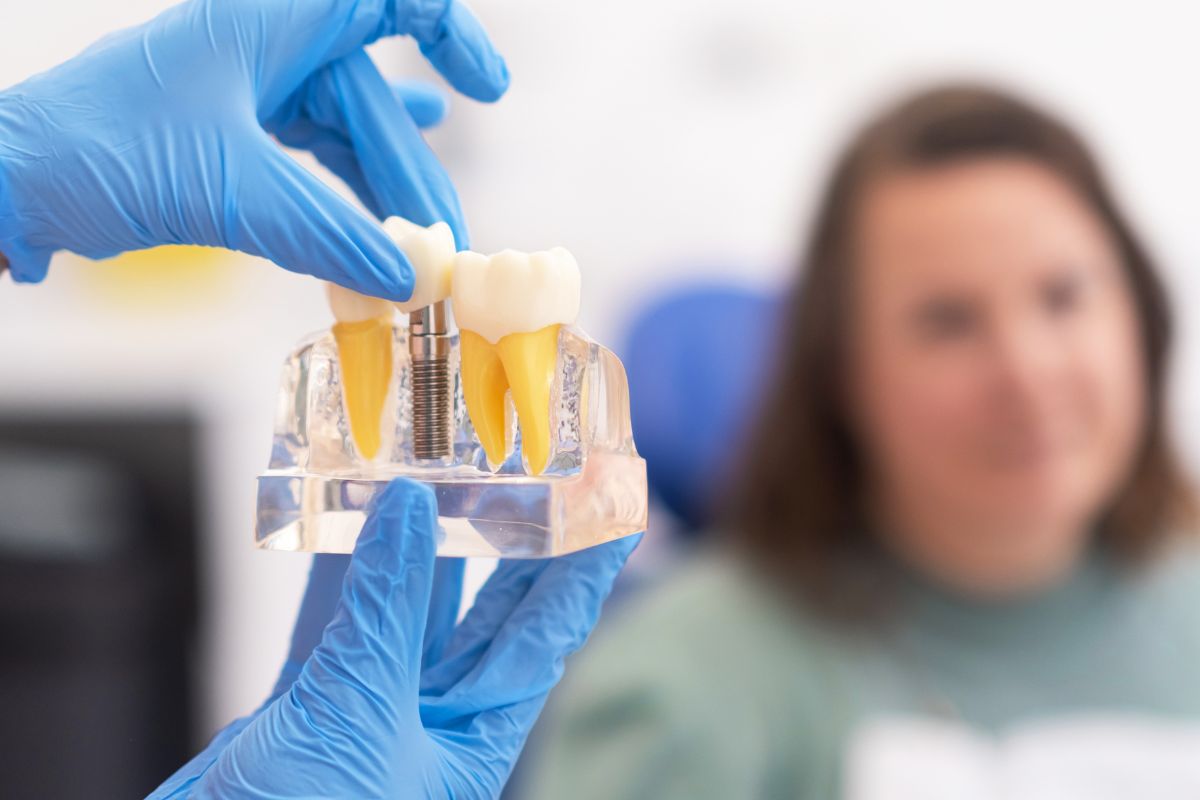
These artificial tooth roots rely on a strong and healthy jawbone to anchor the titanium post. This process, known as osseointegration, occurs when the implant post fuses with the surrounding bone tissue. The stronger and denser your bone, the more likely the implant will successfully integrate and stay secure in your mouth.
Without sufficient bone density, osseointegration can be compromised. This leads to an increased risk of implant failure, instability, or complications. Inadequate bone density can also impact the implant’s ability to withstand the forces of chewing and biting, which can cause it to loosen over time.
How Low Bone Density Affects Implant Success?
If you have low bone density, your jaw may not be able to provide the necessary support for the implant post. This can result in:
- Compromised Osseointegration: A dense jawbone is essential for the implant post to fuse effectively. Without adequate bone, the bonding process can be weak, leading to instability and potential failure of the implant.
- Reduced Stability and Support: The jawbone plays a crucial role in supporting the implant through the pressure of chewing. A lack of bone density can prevent the implant from staying secure, increasing the likelihood of movement or failure.
- Long-Term Implant Survival: For implants to last, they need a strong foundation. Without adequate bone density, the implant’s long-term survival may be at risk.
- Increased Risk of Complications: Insufficient bone density can lead to complications such as inflammation or infection around the implant site. These issues can affect the overall success of your dental implants in Silver Spring.
How to Improve Bone Density for Implant Treatment?
While low bone density can pose challenges, there are several ways to improve your bone health before getting dental implants in Silver Spring or elsewhere.
- Diet and Nutrition: Eating a calcium-rich diet is essential for maintaining strong bones. Foods like dairy products, leafy greens, and fatty fish (which provide Vitamin D) can help improve bone health.
- Exercise: Weight-bearing exercises, such as walking or resistance training, can stimulate bone growth and improve bone density. Regular physical activity can help keep your jawbone healthy and strong.
- Address Underlying Conditions: Certain health conditions, like osteoporosis or chronic gum disease, can lead to reduced bone density. If you have one of these conditions, it’s important to manage it to prevent further bone loss and ensure a successful implant outcome.
What to Expect When Visiting Your Dentist for an Implant Assessment?
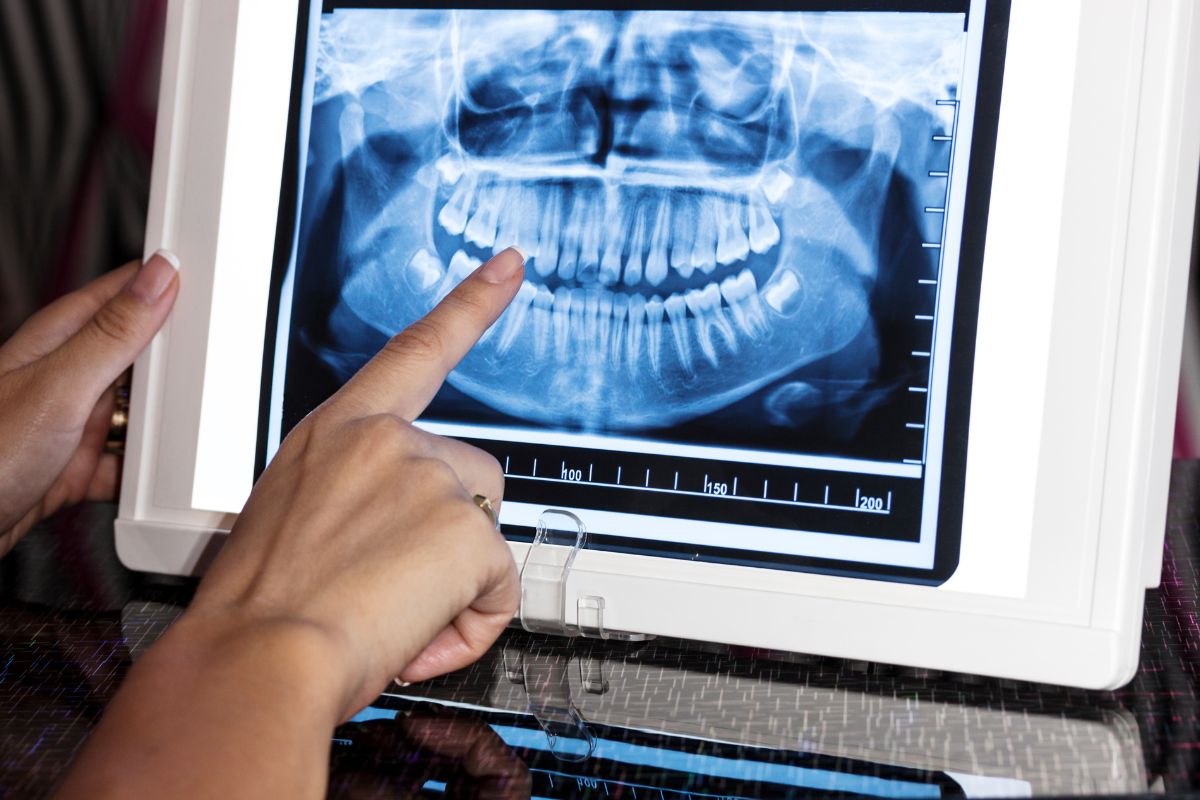
Before placing these artificial tooth roots, your dentist will evaluate the health and density of your jawbone. These professionals do so by using advanced imaging techniques like X-rays or CT scans. These images help in determining whether your bone is strong enough to support the implant or if additional treatments are needed.
- Initial Assessment: The dentist will assess your jawbone’s condition and recommend the best course of action for placing dental implants.
- Bone Classification: Dentists classify bone density from D1 (very dense) to D4 (very soft). This classification helps guide treatment planning and determine whether bone augmentation is necessary.
- Bone Augmentation: If your bone density is insufficient, your dentist may recommend a bone grafting procedure. This involves adding bone material to your jaw to increase its volume and density, ensuring a solid foundation for the implant post.
What Is Bone Grafting?
Bone grafting is a surgical procedure where bone tissue is added to your jawbone. The graft can be taken from another area of your body, a donor, or synthetic materials. This procedure can help rebuild lost bone and create the necessary foundation for a dental implant. Bone grafting may require a few months of healing before the implant can be placed.
Don’t Let Bone Density Stop You from a Perfect Smile Restoration
Bone density is crucial for successful dental implants. Ensuring adequate bone density is essential for successful osseointegration and long-term implant stability. If your bone density is low, options such as bone grafting can help restore the structural support needed for your implants.
At Maryland Dental Specialty Group, we use advanced technology to assess your bone health and recommend personalized treatments to ensure the best outcomes for your dental implants. Book an appointment with us today to learn more about how we can help you achieve a healthy, secure smile with dental implants.
FAQs
What is bone grafting for dental implants?
Bone grafting is a procedure that involves adding bone material to your jaw to improve bone density and ensure the stability of dental implants.
How long does it take to heal after a bone graft for dental implants?
Healing times vary, but it generally takes several months for the bone graft to integrate with your jawbone before implants can be placed.
Can I still get dental implants if I have osteoporosis?
Yes, osteoporosis can affect bone density, but with proper treatment, including bone grafting, dental implants can still be a viable option.
How do I know if I have enough bone density for dental implants?
Your dentist will conduct a thorough evaluation, including X-rays or CT scans, to assess your bone density and determine if you need additional treatments.
Are dental implants safe for people with low bone density?
Yes, with the right preparation and possible bone grafting, dental implants are a safe and effective solution for individuals with low bone density.