13975 Connecticut Ave., #208 Silver Spring, MD 20906

Do I Need a Tooth Extraction? 7 Common Reasons Dentists Recommend It

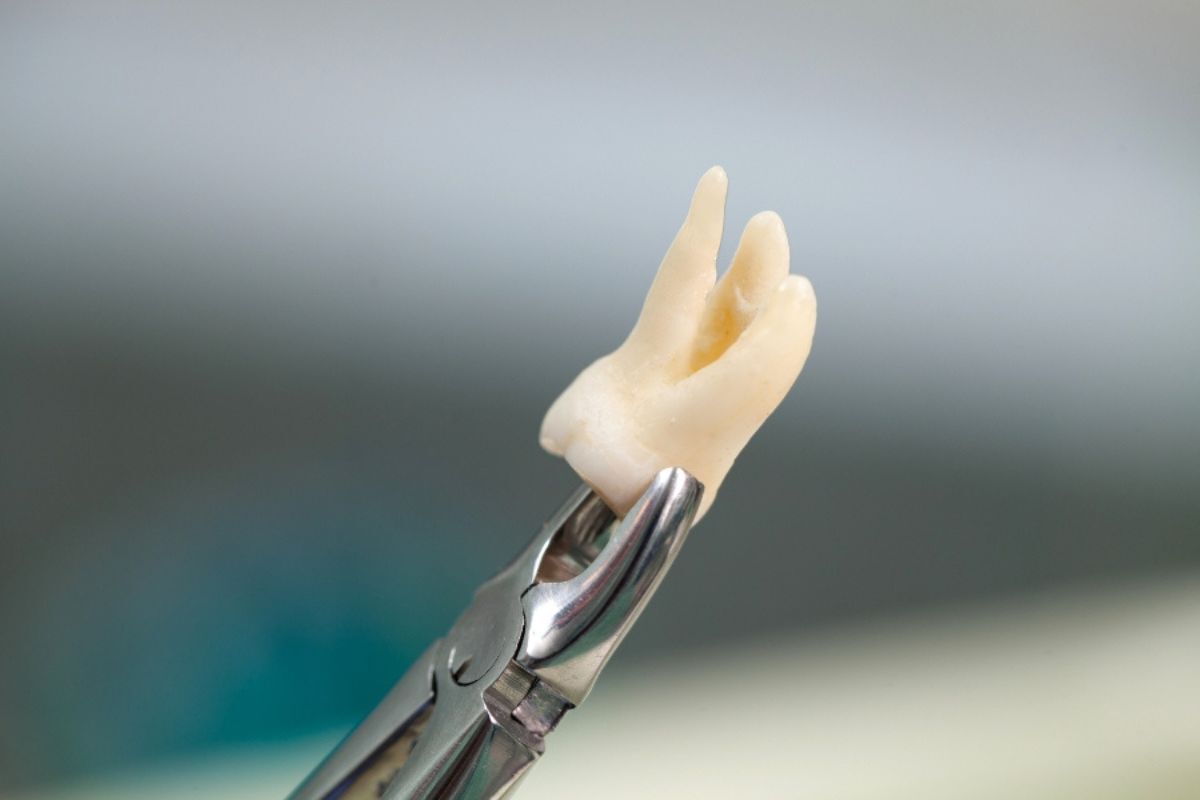
A dentist might suggest extracting a tooth if it is badly decayed, infected, fractured, impacted, loosened by gum disease, causing overcrowding, or disrupting orthodontic treatment. The goal is to eliminate infection, relieve pain, protect neighboring teeth, and preserve overall oral health.
A tooth extraction is never the initial preferred option. Preserving natural teeth is always the preferred approach whenever possible. However, when a tooth is severely damaged, infected, or creating risks for your long-term oral health, removing it may be the most predictable solution.
At Maryland Dental Specialty Group, our team evaluates each case carefully before recommending an extraction. Under the guidance of Dr. Amir Ahmadi, patients receive personalized treatment recommendations based on clinical findings, diagnostic imaging, and long-term oral health goals. If you are experiencing tooth pain, swelling, or concerns about a damaged tooth, visit our dental office for a professional evaluation and expert guidance.
Signs You May Need a Tooth Extraction
Certain symptoms may indicate that a tooth can no longer be predictably saved. While only a dental examination can confirm whether extraction is necessary, these warning signs should never be ignored.
You may need extraction if you experience:
- Persistent or severe tooth pain
- Significant tooth decay
- A loose permanent tooth
- Swelling around a tooth or gums
- Recurrent dental infections
- Impacted wisdom teeth
- Advanced gum disease
- A severely cracked or fractured tooth
The sooner these symptoms are evaluated, the more treatment options are typically available.
Why Do Some Teeth Need to Be Removed?
Extractions are usually recommended when preserving a tooth could compromise your oral health. Dentists assess the condition of the tooth, surrounding bone, and supporting tissues before making a recommendation.
According to the Centers for Disease Control and Prevention (CDC), nearly half of adults aged 30 and older have some form of periodontal disease, one of the leading causes of tooth loss in the United States. Early diagnosis and treatment remain critical for preserving natural teeth.
Severe Tooth Decay
When decay destroys too much of a tooth, restoration may no longer be possible. In these situations, extraction may prevent infection and further complications.
Small cavities can often be treated with fillings. However, decay that extends deep into the tooth structure may weaken it beyond repair. If there is insufficient healthy tooth remaining to support treatment, extraction may become necessary.
Patients who frequently consume sugary snacks, sweetened beverages, or acidic foods without proper oral hygiene are at increased risk of advanced decay.
Advanced Gum Disease
Severe periodontal disease can damage the bone and tissues that support teeth. As support structures deteriorate, teeth may become loose and require removal.
Gum disease often progresses gradually and may not cause noticeable symptoms in its early stages. By the time mobility develops, significant bone loss may already be present.
Common symptoms include:
- Bleeding gums
- Receding gums
- Persistent bad breath
- Loose teeth
- Changes in bite alignment
Prompt periodontal treatment can often help prevent tooth loss.
Impacted Wisdom Teeth
Wisdom teeth that do not erupt properly can cause pain, infection, crowding, and damage to neighboring teeth. Extraction is commonly recommended to prevent future complications.
Many adults simply do not have enough room in their jaws for wisdom teeth to emerge normally. Impacted teeth may become trapped beneath the gums or bone, creating difficult-to-clean areas where bacteria can thrive.
This remains one of the most common reasons patients need to undergo tooth extractions in Silver Spring or elsewhere.
Dental Trauma or Injury
Accidents, sports injuries, and falls can sometimes damage a tooth beyond repair. Deep fractures may extend below the gumline and affect the root structure.
While dentists always attempt to preserve natural teeth whenever possible, some injuries create structural damage that cannot be restored predictably.
Prompt evaluation following trauma can significantly improve treatment outcomes and may increase the chances of saving the affected tooth.
Severe Tooth Infection
Dental infections can spread beyond the tooth and affect surrounding tissues. When an infection cannot be effectively managed through restorative treatment, extraction may be recommended.
Root canal therapy can often save infected teeth. However, extensive infections combined with severe structural damage may leave extraction as the healthiest option.
Warning signs of infection include:
- Throbbing tooth pain
- Facial swelling
- Sensitivity to pressure
- Gum abscesses
- Persistent bad taste in the mouth
Early treatment remains the most effective way to prevent serious complications.
Orthodontic Treatment Needs
Some orthodontic cases require additional space to achieve healthy alignment. Carefully planned extractions may improve bite function and treatment stability.
Although modern orthodontics often avoids extractions whenever possible, severe crowding sometimes requires strategic space creation.
Premolars are among the teeth most commonly considered when creating space for orthodontic movement. Treatment recommendations vary based on facial structure, bite relationships, and long-term treatment goals.
Overcrowding and Eruption Problems
Some teeth erupt in abnormal positions or become trapped beneath neighboring teeth. Removing selected teeth may improve oral function and reduce future complications.
Overcrowding can increase the risk of:
- Tooth decay
- Gum inflammation
- Plaque accumulation
- Uneven tooth wear
- Bite problems
Routine dental examinations often identify these issues before they progress into more complex concerns.
For many patients, the need for tooth extractions in Silver Spring is discovered during preventive visits long before symptoms develop.
What to Anticipate During Your Tooth Removal Appointment
Most extractions are routine procedures performed under local anesthesia. Patients typically feel pressure during treatment but should not feel pain.
Knowing what to expect can significantly reduce anxiety and help patients feel more prepared.
Before the Procedure
Your dentist will perform a comprehensive evaluation that may include:
- Digital X-rays
- Review of your medical history
- Examination of surrounding teeth and bone
- Discussion of treatment options
- Post-operative instructions
The purpose of this evaluation is to determine the safest and most effective treatment approach.
During the Procedure
Most extractions follow a straightforward process:
- Local anesthesia is administered.
- The tooth is carefully loosened.
- Specialized instruments are used to remove the tooth.
- The site is cleaned thoroughly.
- Gauze is placed to encourage clot formation.
More complex extractions, such as impacted wisdom teeth, may require surgical techniques.
What Happens After the Procedure?
Initial healing begins immediately after the extraction. Following instructions carefully helps reduce complications and supports a smoother recovery.
Most patients are advised to:
- Rest for the remainder of the day
- Avoid smoking
- Avoid drinking through straws
- Eat soft foods
- Keep the extraction area clean
- Take medications as directed
Mild swelling and soreness are normal during the early healing period.
When Can I Return to Work or School?
Many patients return to normal activities the following day. More complex extractions may require additional recovery time depending on the procedure performed.
Your dentist will provide guidance based on your specific situation.
How Can You Reduce the Risk of Future Extractions?
Preventive care remains the most effective way to protect natural teeth. Routine dental visits allow problems to be detected before they become severe.
Families enjoying weekends around Downtown Silver Spring, attending community events at Veterans Plaza, or dining along Ellsworth Drive often lead busy lives. Unfortunately, delaying treatment for a small dental problem can allow it to develop into a condition that eventually requires extraction.
Simple habits that help protect your smile include:
- Brushing twice daily
- Flossing every day
- Limiting frequent sugar exposure
- Scheduling regular dental checkups
- Seeking prompt treatment for tooth pain
Many extractions can be prevented when problems are identified early.
Protect Your Oral Health with a Personalized Evaluation
A tooth extraction recommendation should always be based on a thorough clinical evaluation and your specific oral health needs. The sooner a damaged, infected, or problematic tooth is assessed, the more treatment options are usually available. In some cases, early intervention may prevent the need for extraction altogether.
At Maryland Dental Specialty Group, our team provides comprehensive examinations and individualized treatment recommendations designed around your long-term oral health. If you are experiencing discomfort or have concerns about a tooth, visit our dental office in Silver Spring to receive professional guidance.
Book an appointment today and schedule a personalized diagnostic evaluation to understand the treatment options best suited to your needs.
Frequently Asked Questions
Can a tooth extraction prevent future infections?
Yes. Removing a severely infected tooth can eliminate a source of bacteria and help prevent infection from spreading to surrounding tissues.
Is it better to save a tooth or extract it?
Saving a natural tooth is usually preferred whenever possible. Extraction is generally recommended only when restoration cannot predictably preserve function and health.
What foods should I eat after a tooth extraction?
Soft foods such as yogurt, eggs, smoothies, applesauce, and mashed potatoes are typically recommended during the initial healing period.
How do I know if my wisdom tooth needs to be removed?
Pain, swelling, recurring infections, crowding, or an impacted position visible on X-rays may indicate that removal is beneficial.
How long does it take for an extraction site to heal?
Initial healing usually occurs within several days. Complete healing of the gums and underlying bone may take several weeks or longer.
Are tooth extractions safe?
When performed by qualified dental professionals, tooth extractions are routine procedures with a strong safety record and predictable outcomes.
Can delaying an extraction make the problem worse?
Yes. Delaying treatment may allow infection, decay, or structural damage to progress, potentially affecting neighboring teeth and surrounding tissues.